Trending
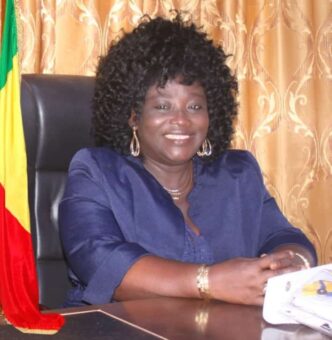
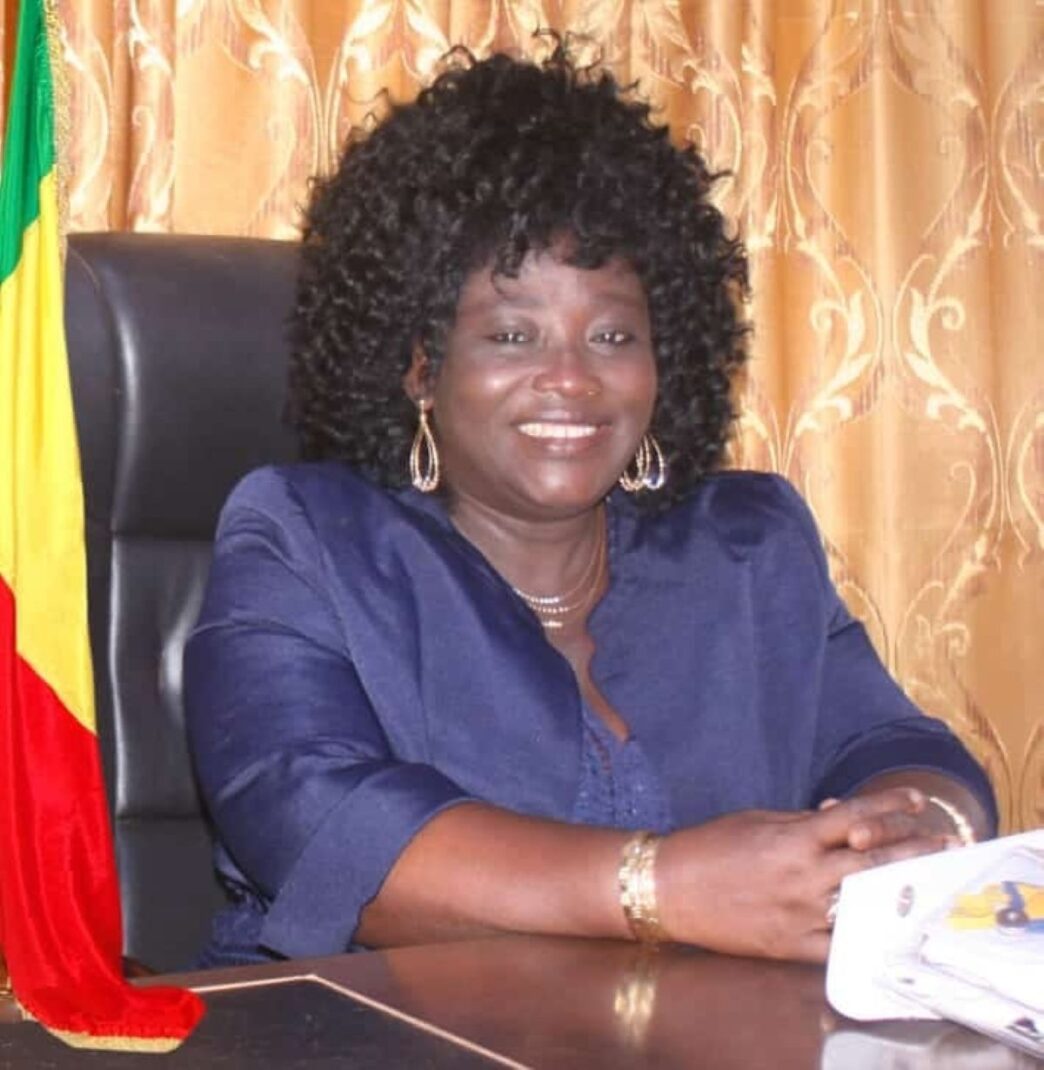
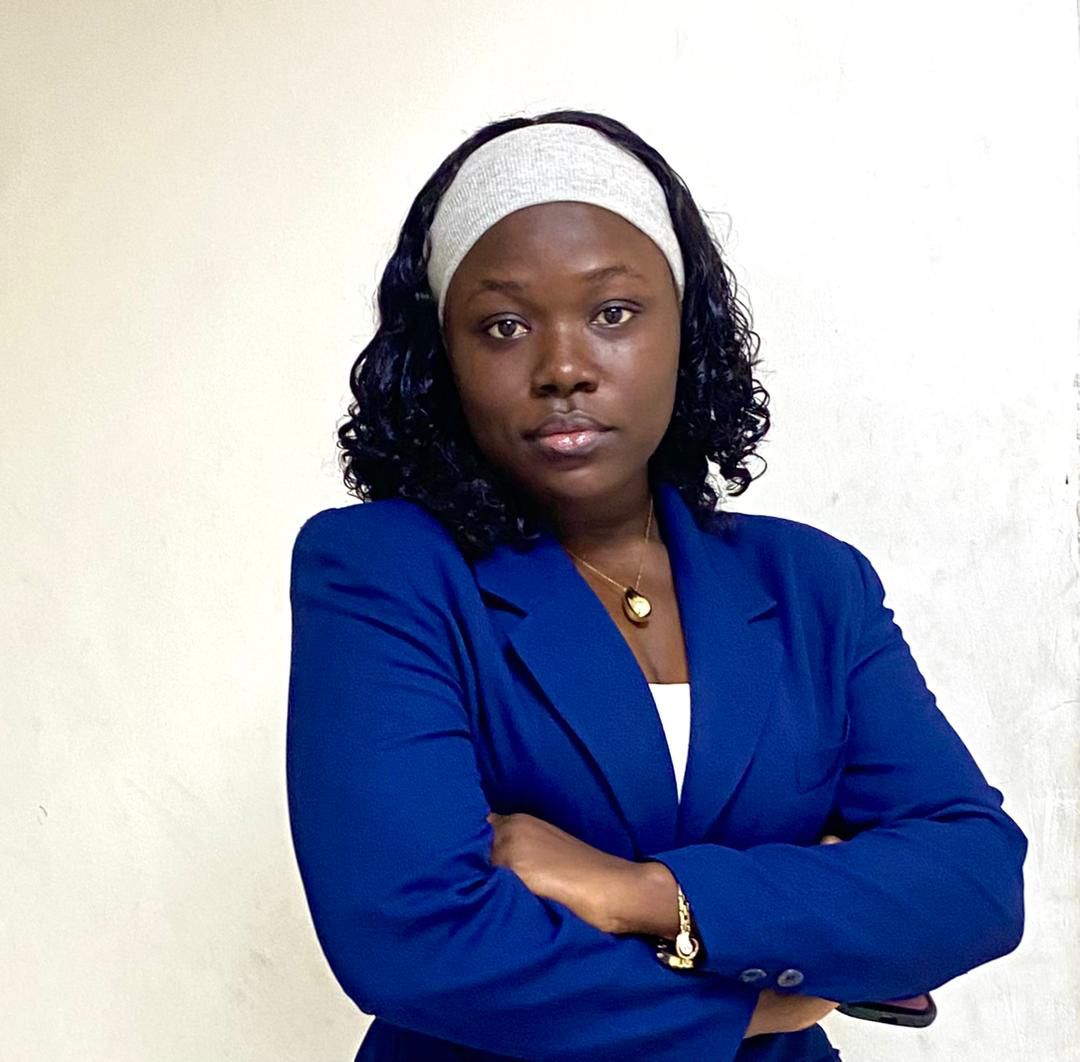
When Beninese citizens head to the polls on Sunday to elect President Patrice Talon’s successor, only one woman’s name will appear on the ballot.
There were six candidates vying for the seat at ‘Palais de la Marina’, Benin’s presidential palace, at the beginning, but only one was a woman.
The country of over 14 million people, where about half of the population is women, has a wide gender gap. According to Statbase, the West African country ranked 113th out of 148 countries between Sierra Leone and Gambia on the gender gap index.
Read More : US Warns Mexican Cartels Target West Africa
Women are largely underrepresented in Beninese politics and hold few seats in elected offices and senior government positions, as is the case in many countries across the African continent. The country’s current Vice President, Mariam Chabi Talata, will return again as Vice President if Romuald Wadagni, whom Talon has chosen as a successor, wins the election.
Élisabeth Agbossaga would have been the only woman contesting Sunday’s polls if she had been cleared by the country’s electoral umpire, the Autonomous National Electoral Commission of Benin (CENA). She would also have had a chance to become the first woman to lead the West African country, where women hold relatively few political offices, if she had won the 2026 presidential election.
News Central’s Kathleen Ndongmo, who is covering the polls in the Republic of Benin, said the presidency is on Talata’s side, and her presence in the election is a deliberate strategic choice rather than an afterthought.
“In this region where female heads of state remain extraordinarily rare, it’s not a trivial detail. She brings genuine political capital as well. She has served on the Talon administration. But where the bigger picture becomes complicated is that her elevation sits against a backdrop of women’s political participation in the republic that remains structurally weak,” said Ndongmo.
“And despite commitments to gender parity in the public life, there is also a legislative agenda quota in Benin’s electoral framework meaning that female candidates depend almost entirely on the party rather than structural obligation.”
Read More : Burkina Faso Reinstates Death Penalty
Ndongmo added that Talata’s appearance in the election does not reflect a broader representation of Beninese women in politics.
“We see women on the streets, we see women in the market, we see them driving the economy and survival. But the economic centrality doesn’t really translate to political representation at the race that it should. So the position is generally historic in visibility,” Ndongmo added.
“But one woman on the axis of power does not resolve a systemic participation gap. So we’re looking at whether Benin, which prides itself on being a democratic model for the region, is prepared to treat women’s political inclusion as a structural priority rather than a symbolic gesture,” she said.