Trending

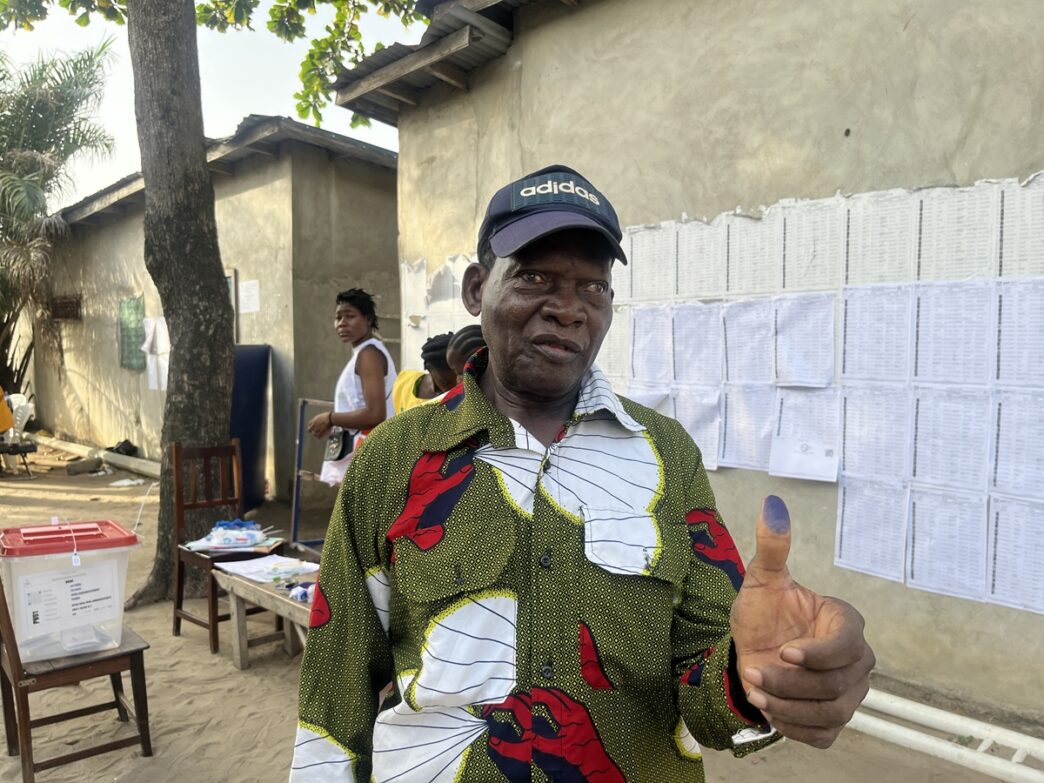
After a decade under Patrice Talon, Benin’s voters head to the polls on Sunday to decide the country’s next leader. The vote comes just four months after a failed December 2025 coup attempt that briefly shook Benin’s political stability. Almost eight million voters are expected to participate in the election.
There were five candidates in the race at the beginning, but only 49-year-old Finance Minister Romuald Wadagni, who has been described as Talon’s anointed, and 56-year-old Paul Hounkpè were deemed eligible, and they are the two contenders in the 2026 Benin Presidential Polls. Wadagni’s running mate is the country’s current Vice President, Mariam Chabi Talata.

Other candidates who were in the race earlier are Prince Anatole Ouinsavi, Renaud Agbodjo and Elisabeth Agbossaga, the only woman in the race.
Read More : US Warns Mexican Cartels Target West Africa
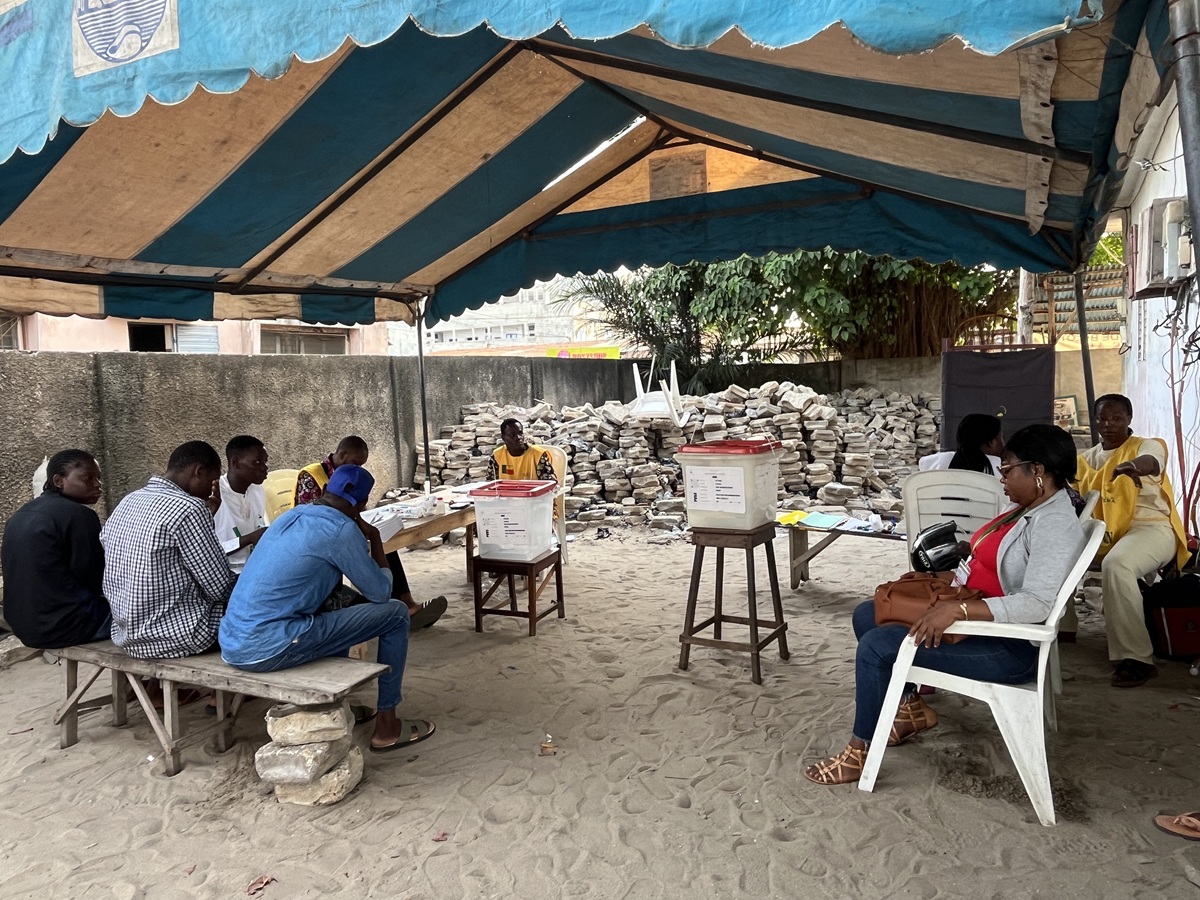
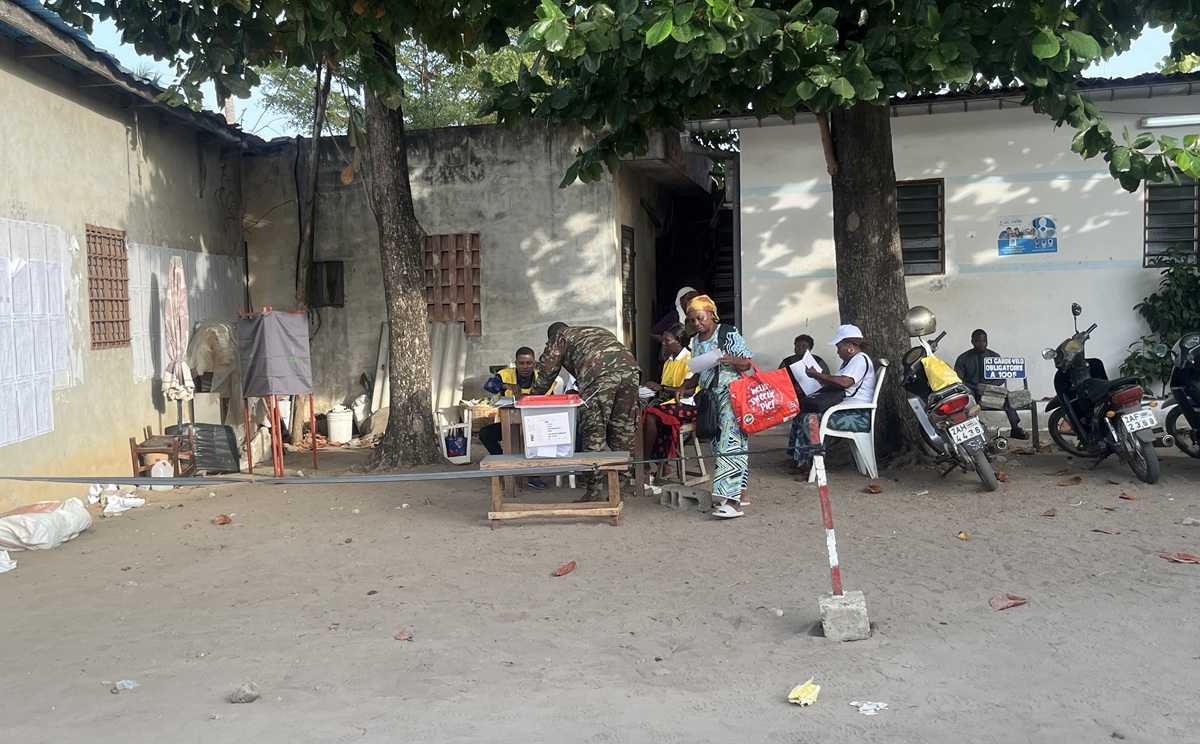
Voting has begun in many polling units across the country. At about 8 am on Sunday, the voting process at the Fifadji, 9th district polling centre, 10258, Cotonou Council, as seen by News Central’s correspondents on the ground, was peaceful. Beninese security operatives were on standby to maintain law and order and a smooth voting process, and election observers were also present.

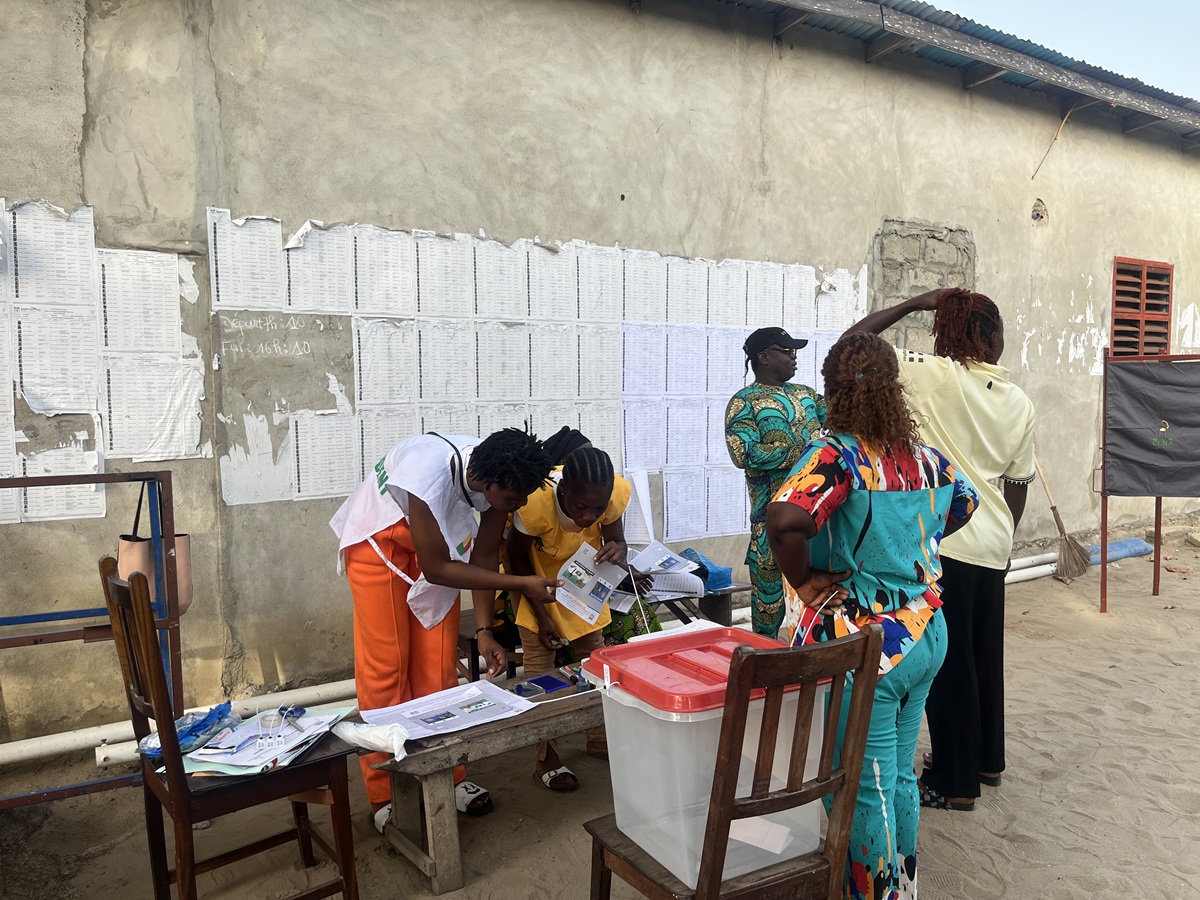
On Friday, which marked the final day of the campaign in the country, some residents of the capital, Porto Novo, told News Central that the election may be a walkover for Wadagni, due to the ruling party’s dominance in the capital.
Whoever wins Sunday’s election will shoulder the responsibility of solving the country’s worsening insecurity. Benin’s northern regions face attacks from terrorist groups who troop down to West African countries through the Sahel. Benin’s neighbours, Maki and Burkina Faso, are also battling the same challenge.
Talon’s successor will also have to improve the country’s economy. Benin is regarded as a lower-middle-income country with a young population. The national poverty rate is about 36.2% according to the World Bank.