Trending
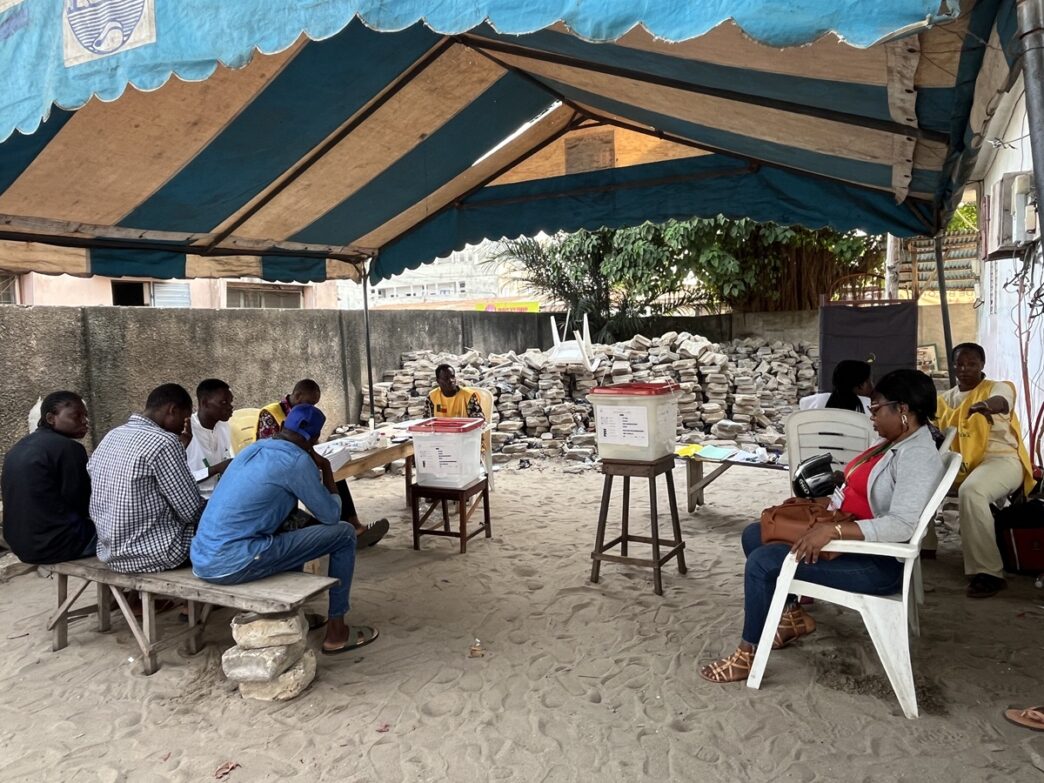
The Commission Electorale Nationale Autonomie (CENA) officials are closely monitoring voting centres across the Benin Republic to ensure a smooth process, despite the absence of biometric accreditation systems like Nigeria’s Bimodal Voter Accreditation System (BVAS), News Central TV correspondent, Kathleen Ndongmo has said.
Benin began voting for a new president on Sunday to determine the successor to outgoing President Patrice Talon, who is stepping down after completing two terms.
Finance Minister Romuald Wadagni, widely seen as the frontrunner and backed by the ruling parties, is facing opposition candidate Paul Hounkpe.
Read More : Gunmen Kill Six in Plateau
Ndongmo, reporting from a polling centre in the Benin Republic, noted key differences between the electoral systems of both countries.
“If you were to compare with Nigeria, one of the things that we have not seen here is the BVAS. Benin Republic is still at a growth phase when it comes to biometric voting,” she said.
She, however, explained that authorities insist the process remains credible. “With the process here, there is no BVAS, but then electoral officials tell us that they are collating and conducting the election in a way that identification as well as clearing electoral voters for voting is clean,” she added.
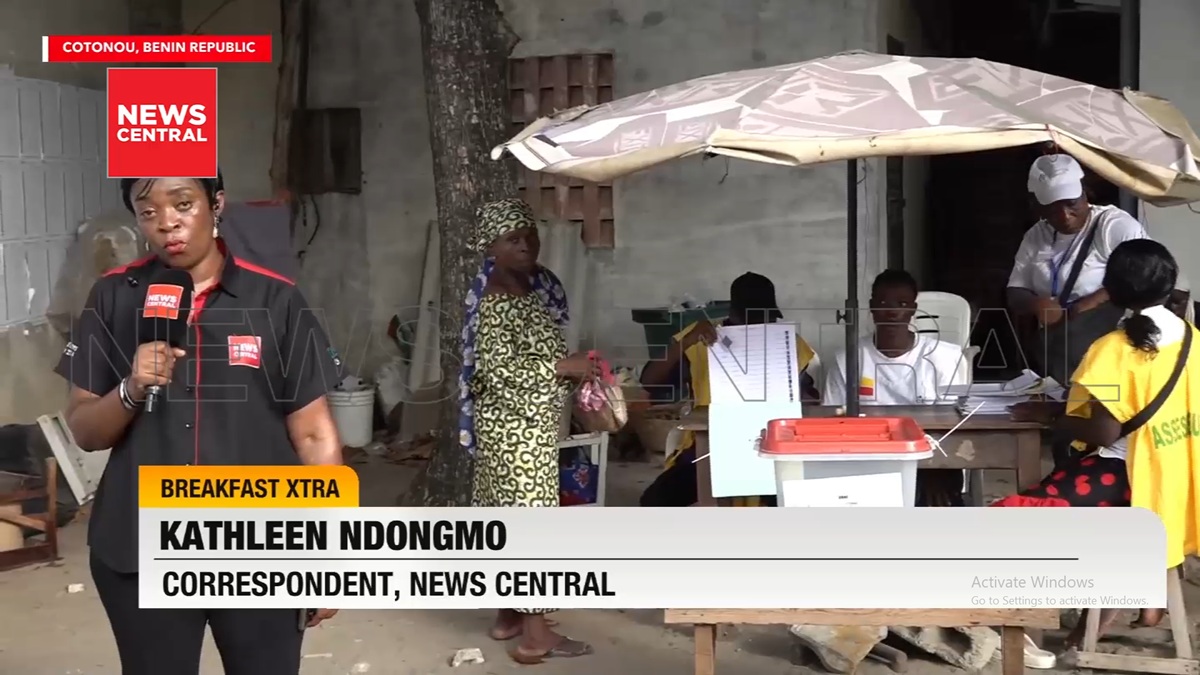
According to her, the electoral body had made early preparations ahead of the vote.
“When we arrived here, CENA told us clearly in a press release that they had deployed voter materials, electoral materials across the country 48 hours before the election,” Ndongmo said.
She also confirmed the presence of officials and security personnel at the polling units.
“There are CENA officials right here in this centre who are observing the process and ensuring that materials are here and the conduct of the election is going on as planned. Security officials are also here.”
Ndongmo further stated that the ballot is relatively simple, with only two candidates contesting.
“There are only two candidates on the ballot paper here, so you would think that it is pretty much easier to make a choice and a bit easier to actually count the ballots after the elections,” she noted, adding that observation was ongoing to assess public perception of the process.
Nearly eight million eligible voters are participating in the election, which comes despite ongoing security challenges in the country’s northern region.