Trending
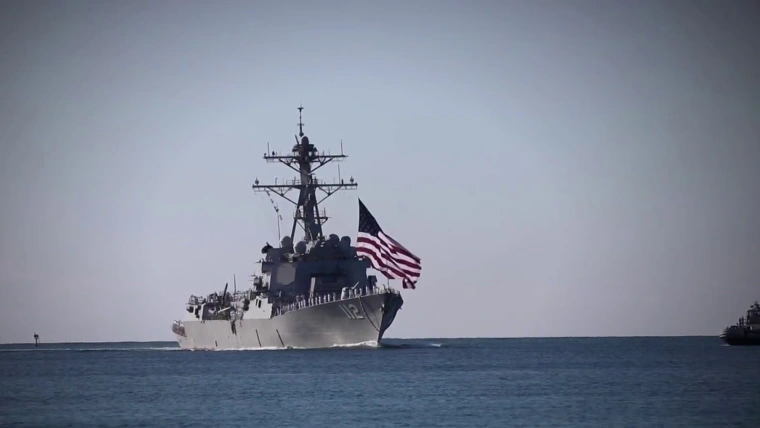
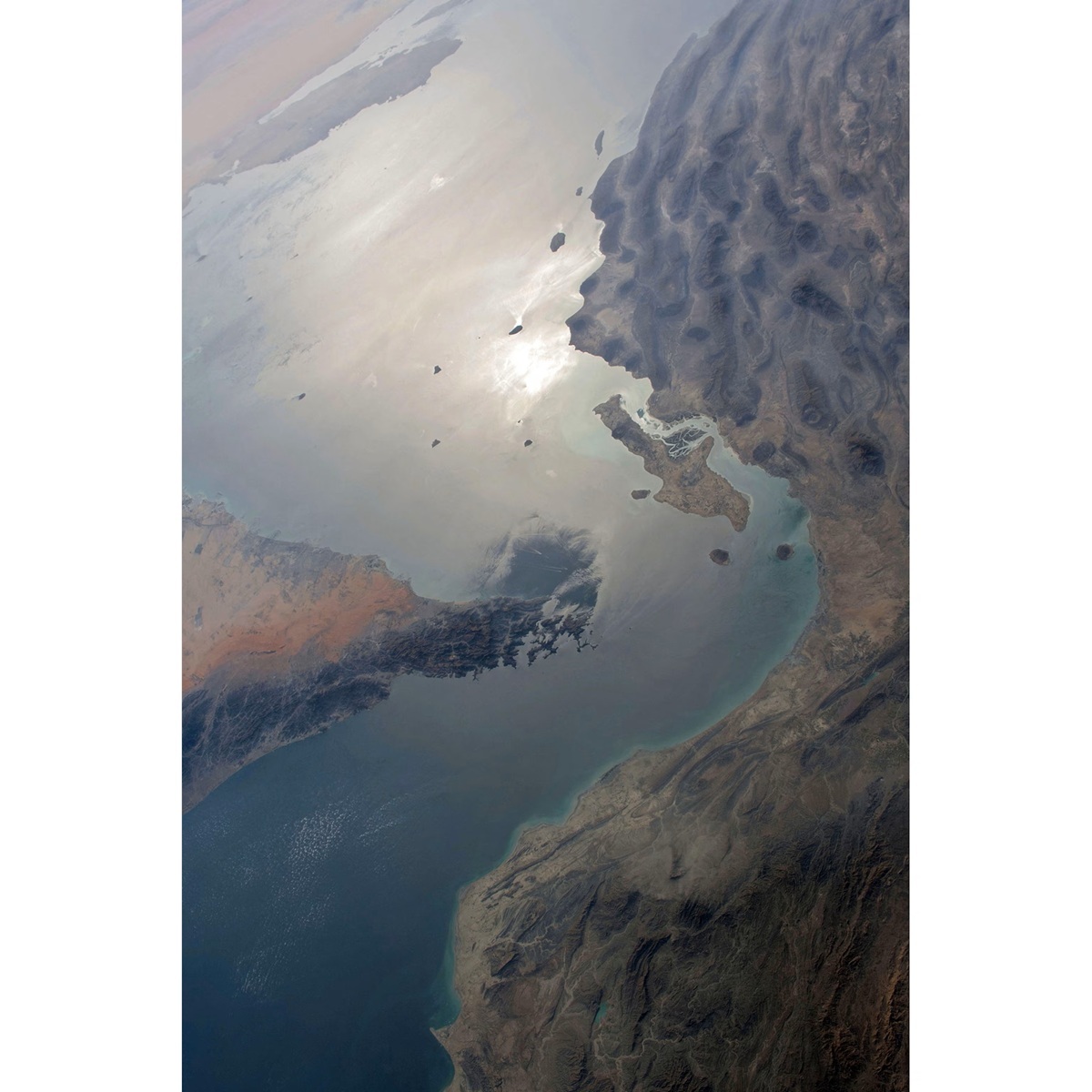
The US military will begin a blockade of every Iranian port on Monday, April 13, 2026, after talks between the warring sides failed.
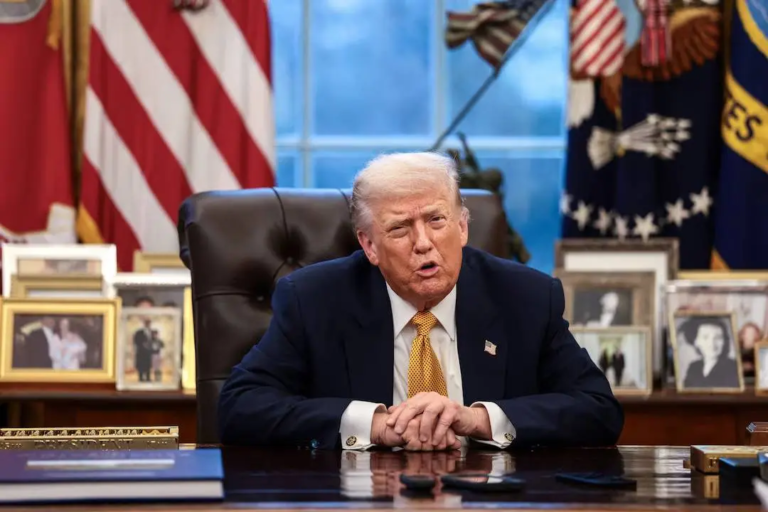
During the talks in Iran, President Donald Trump blamed the Islamic Republic for refusing to abandon its nuclear ambitions, hence the announcement on social media of blocking the strategic Strait of Hormuz trading route that he has been demanding Tehran’s full reopening, after his vice president, JD Vance, left negotiations with an Iranian delegation in Islamabad on Sunday.
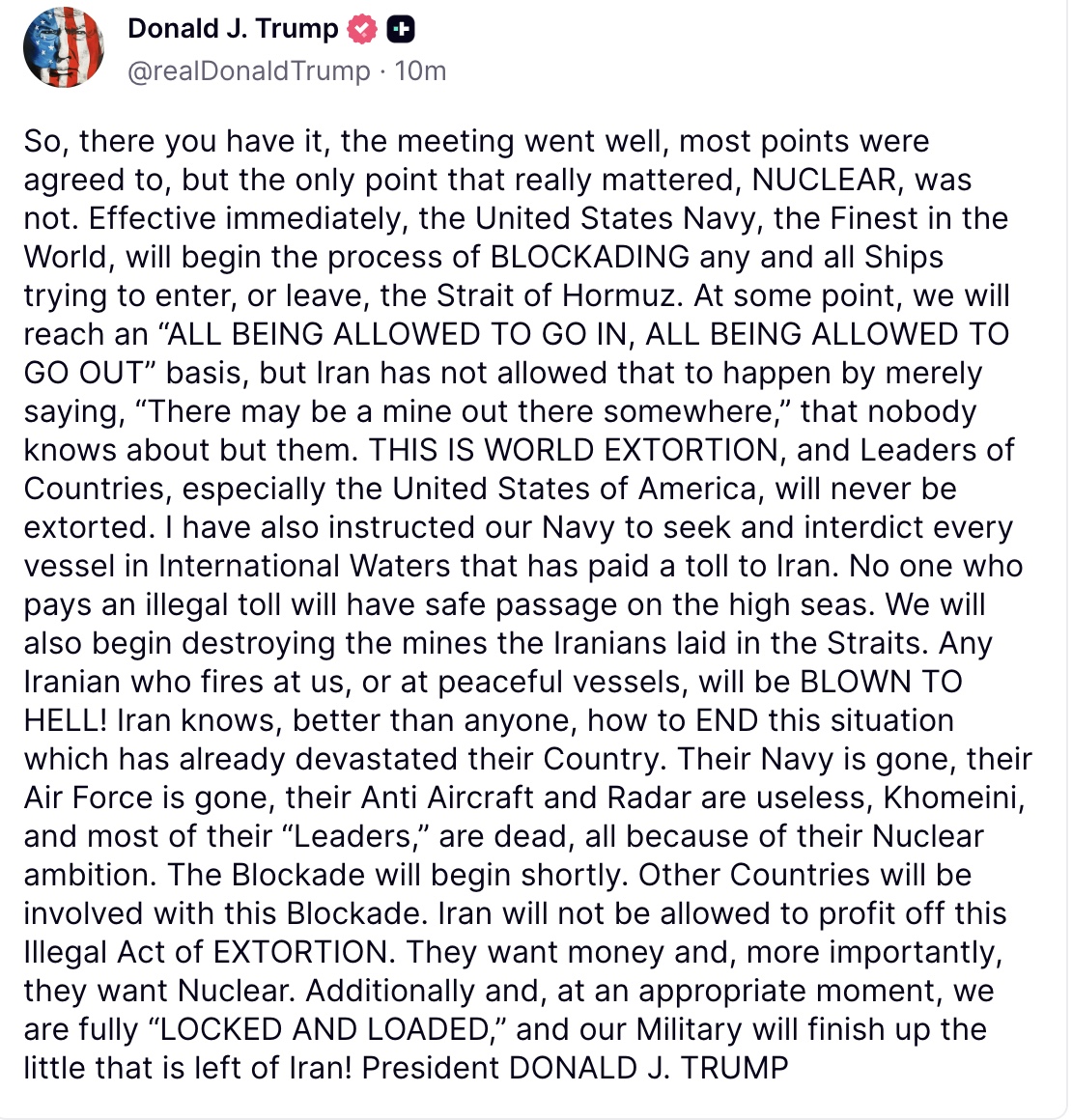
In his lengthy post, Trump said his goal was to clear mines laid in the strait and reopen it to all shipping, but Iran must not be allowed to profit from controlling the waterway. He said;
Read More : Iran Guards Say Struck Vessel in Hormuz
“Effective immediately, the United States Navy, the Finest in the World, will begin the process of BLOCKADING any and all Ships trying to enter, or leave, the Strait of Hormuz,” Trump said. “Any Iranian who fires at us, or at peaceful vessels, will be BLOWN TO HELL!”
As the negotiating representatives flew out, mediator Pakistan stated that it would continue facilitating their dialogue. It called on both parties to honour the fragile two-week ceasefire struck last week, which experts said could be put at risk by any maritime military blockade.
Furthermore, the US Central Command said in a statement that the blockade would begin on Monday, and US forces would not stop vessels transiting the Strait of Hormuz to and from non-Iranian ports.
“The blockade will be enforced impartially against vessels of all nations entering or departing Iranian ports and coastal areas, including all Iranian ports on the Arabian Gulf and Gulf of Oman,”
Trump also confirmed the US military’s statement and added that all ships attempting to enter or exit the strait would be blocked. Meanwhile, Iran’s Revolutionary Guards had warned the US military before their announcement that they had full control of traffic through Hormuz and would trap any challenger “in a deadly vortex”.
Oil prices, which tumbled last week after the temporary ceasefire, spiked by 8% on Monday, with both key WTI and Brent contracts topping $100 a barrel. Iran’s parliament speaker, Mohammad Bagher Ghalibaf, who led Tehran’s delegation in Pakistan, said Tehran would “not bow to any threats” from Washington.
At the same time, Navy Chief Shahram Irani called Trump’s threat of a blockade “ridiculous”. After the highest-level US-Iran talks since the 1979 Islamic Revolution failed to deliver a deal, Iranian foreign ministry Abbas Araghchi blamed “maximalism, shifting goalposts, and a blockade” that prevented an agreement he said they were “just inches away from”.
Read More : Hurricane Simon Kills One in Mexico
Trump told reporters on Sunday that he was indecisive on the prospect of talks continuing with Iran.
“I don’t care if they come back or not. If they don’t come back, I’m fine,” he said.
The new development of the talks between countries has dashed global hopes of a deal to permanently end the war that has killed thousands and thrown the global economy into chaos since it began in late February.