Trending
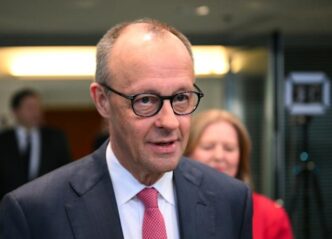
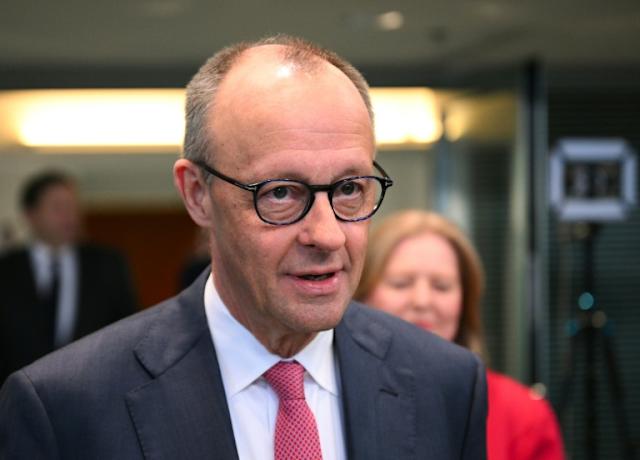
The German government will cut fuel taxes to ease citizens’ struggles with the energy shock from the Middle East war.
The Federal Chancellor of the Federal Republic of Germany, Friedrich Merz, made the announcement on Monday, adding that the war’s effects will likely have long-lasting economic consequences. “The German economy will face a significant burden over an extended period.”
The new development came after oil prices surged again following the collapse of US-Iran peace talks and US President Donald Trump’s decision to impose a blockade on the Strait of Hormuz.
Read More : German State Elections Put Merz Under Pressure
Merz stated that the war “is the root cause of the problems we face in our own country” and stressed that Berlin was doing all it could to end the conflict.
Following talks between his CDU party and its coalition partners, Merz said his government had decided to slash the tax on petrol and diesel by around 17 euro cents ($0.19) for two months.
“This will very quickly improve the situation for drivers and businesses in the country, and above all for those who, mainly for professional reasons, spend a great deal of time on the road,” he told a news conference in Berlin.
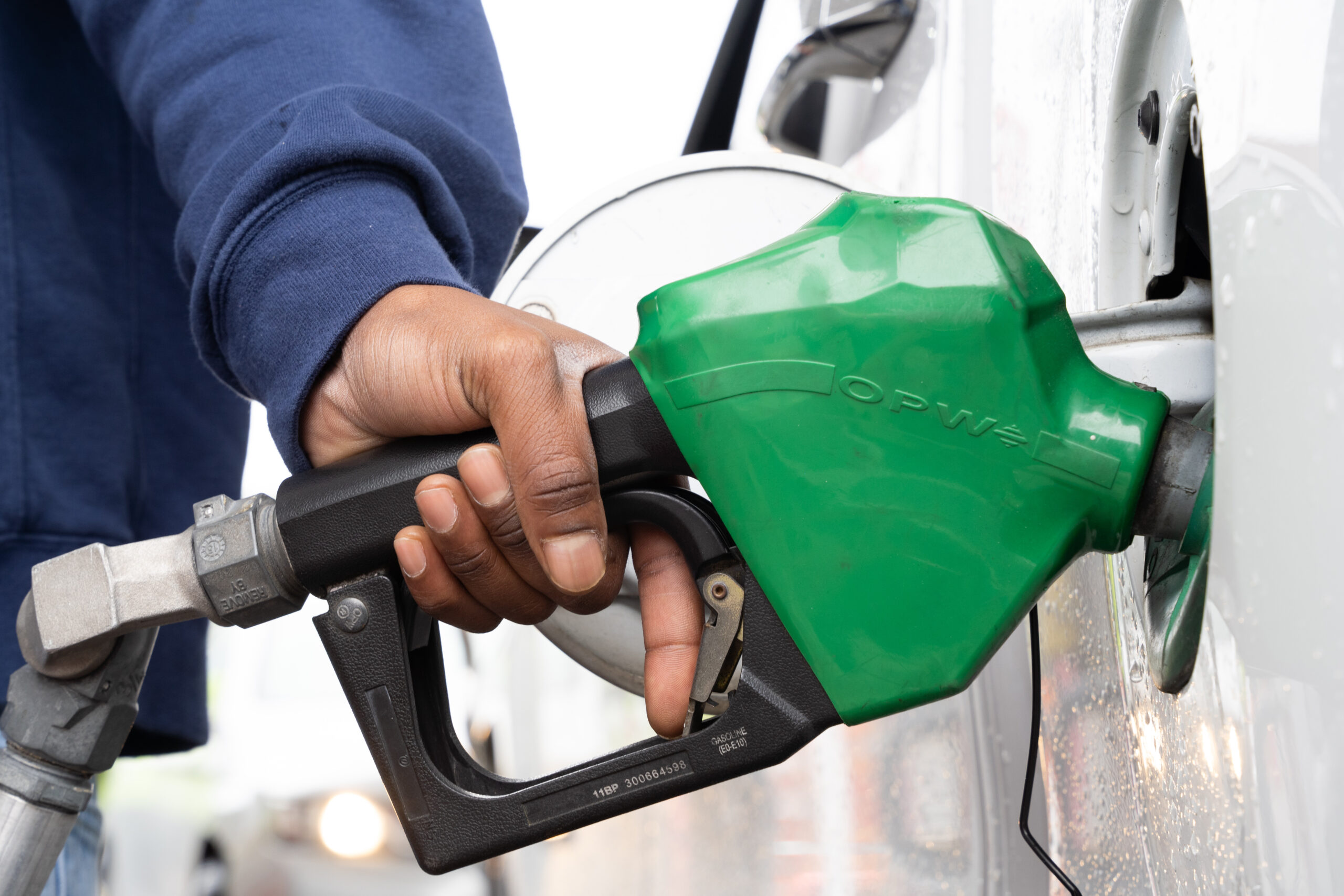
Fuel prices in Germany and other countries have jumped rapidly since the onset of the US-Israeli war against Iran at the end of February. Additionally, the government announced that the slash in fuel taxes will enable employers to pay their staff tax-free bonuses of up to 1,000 euros ($1,170) to relieve the impact of inflation, which has already started rising in Germany.
However, the Chancellor warned that, “At the same time, we cannot offset every single outcome on the market with government funds… The state cannot absorb all uncertainties, not all risks, not all disruptions in global politics.”
Germany, Europe’s biggest economy, has received a heavy blow from the surge in energy costs at a time when many of its power-hungry manufacturers were already facing obstacles from US tariffs and fierce Chinese competition.
Leading economic institutes this month slashed their growth forecast for Germany to just 0.6 percent for 2026, down from a pre-war prediction of 1.3 percent. Also, the government plans to increase tobacco taxes to finance the reduction in fuel duties, Finance Minister Lars Klingbeil said.