Trending
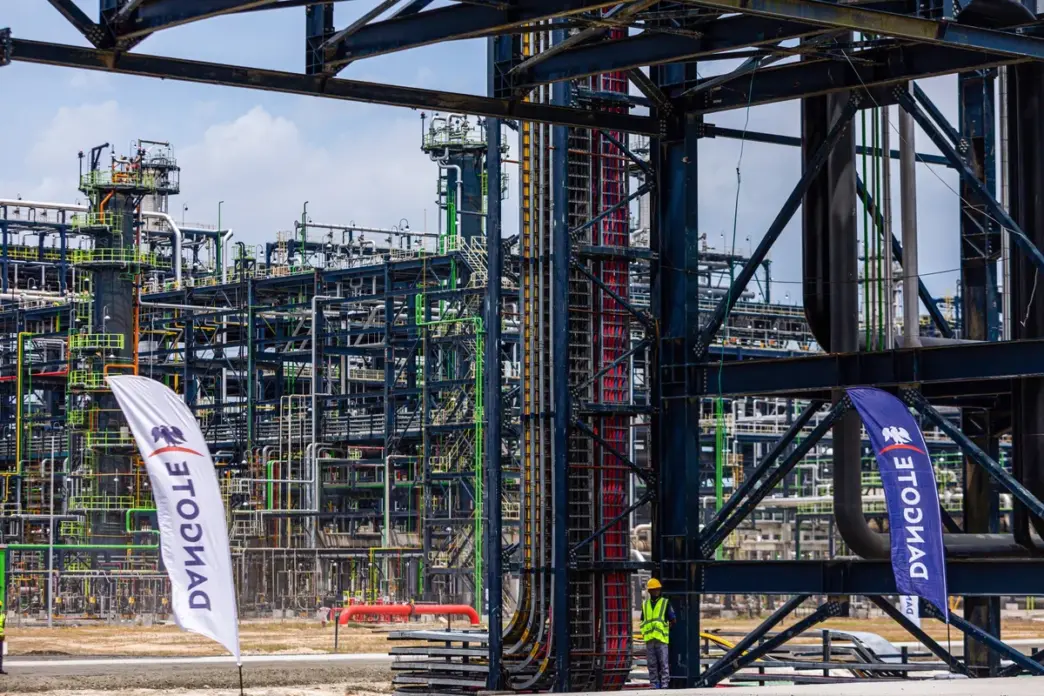
Climate rights group Greenpeace Africa has called for the suspension of a proposed mega oil refinery project backed by Africa’s richest man, Aliko Dangote, warning that the development could pose serious environmental risks to Kenya’s coastal ecosystem.
The planned refinery, with a projected capacity of 700,000 barrels per day, is expected to be built at Kenya’s Lamu port. The decision to locate the facility in Lamu ended months of speculation that Tanzania could host the multibillion-dollar project.
Greenpeace Africa’s Oil and Gas campaigner, Sherelee Odayar, said the refinery could threaten one of East Africa’s most sensitive environmental areas.
“This project threatens to damage one of East Africa’s most fragile coastal ecosystems while locking Kenya into a risky fossil fuel future,” Odayar said in a statement.
The environmental group warned that the $17 billion project could result in habitat destruction, marine degradation, oil spill risks and increased air pollution.
“Lamu’s mangroves, coral reefs and seagrass beds are not expendable. They support fisheries, livelihoods and coastal protection,” Greenpeace Africa said.

The organisation has called for an independent environmental and social impact assessment before any approvals are granted, arguing that communities and experts must be involved in evaluating the project’s long-term consequences.
“No approvals should move forward without a full, independent environmental and social impact assessment, genuine public participation and transparent scrutiny of the long-term economic, health and ecological risks,” Odayar added.
Kenyan President William Ruto has welcomed the refinery proposal, saying it could create jobs and support economic growth. The World Bank estimates that about 800,000 Kenyans enter the labour market every year, increasing pressure on the government to expand employment opportunities.
However, Greenpeace argued that the project’s employment benefits could be short-lived, saying it may create temporary jobs while affecting existing sources of income.
The group said the refinery could undermine fishing, tourism and small-scale coastal businesses that depend on Lamu’s natural resources. Greenpeace also warned that the facility could become a stranded asset as global energy markets shift towards cleaner power sources.
“This refinery also risks becoming a stranded asset as the world moves toward cleaner energy,” the group said, adding that the project could commit Kenya to decades of carbon-intensive development.
Questions remain over key aspects of the refinery, including the source of crude oil for processing and how the project will be financed. The debate now places Kenya’s push for industrial growth against concerns over environmental protection and long-term energy policy.