Trending
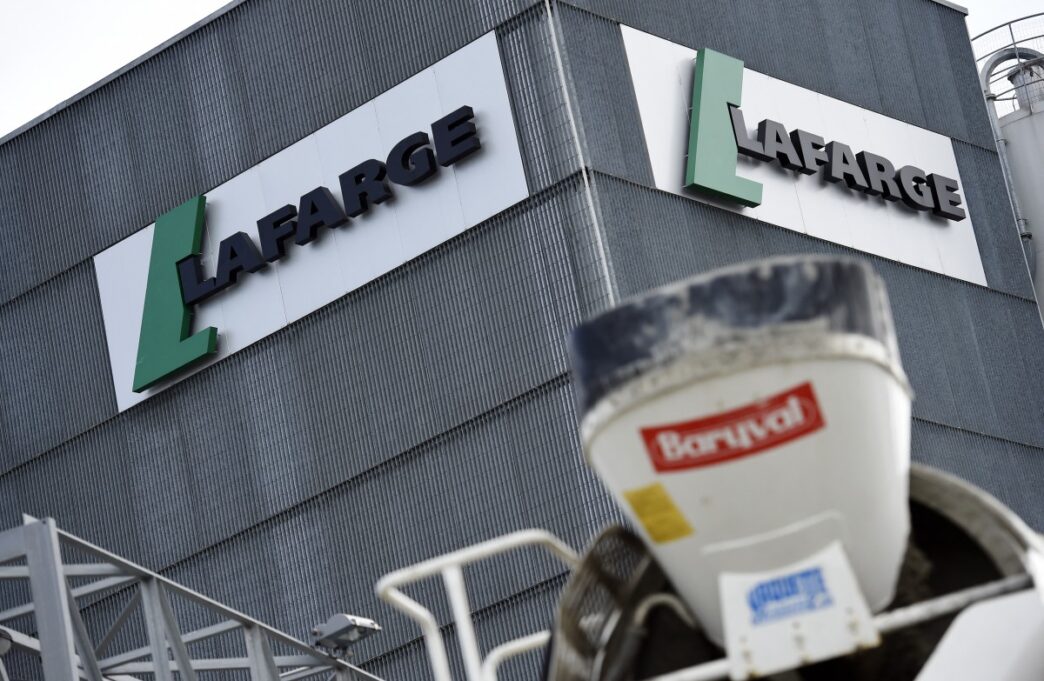
A Paris court has ruled that cement giant Lafarge was guilty of paying millions of euros in protection money to the Islamic State (IS) and other insurgent groups to maintain its operations in war-torn Syria.
The ruling follows a similar case in the United States, where Lafarge pleaded guilty to supporting designated terrorist organisations and agreed to pay a $778 million fine.
Between 2013 and 2014, Lafarge’s subsidiary, Lafarge Cement Syria (LCS), paid approximately 5.6 million euros ($6.5 million) to IS and other groups, enabling the company to keep its plant running in northern Syria. The payments helped secure raw materials and ensured free movement for LCS trucks and employees during the brutal Syrian civil war, when IS was gaining control over significant parts of the country.
Read More : Mauritania Students Protest Transport Fare Hike
Judge Isabelle Prevost-Desprez emphasised that the payments were vital in enabling IS to control Syria’s natural resources, which were used to fund terrorist activities both within Syria and abroad, particularly in Europe. She added that Lafarge had established a “genuine commercial partnership” with IS, highlighting the seriousness of the offence given the payments’ undisclosed nature.

Lafarge, which had completed the $680 million factory in Jalabiya just before Syria’s war began, continued operations in the country even as other multinational corporations withdrew. The company only evacuated its expatriate staff, leaving local employees in place until September 2014, when IS seized the plant.
During the trial, prosecutors argued that Lafarge’s motivation was solely financial gain. They sought a maximum fine of 1.12 million euros for the company and the confiscation of assets worth 30 million euros. Additionally, they recommended a six-year prison sentence for Lafarge’s former CEO, Bruno Lafont, who has denied any knowledge of the payments.
Holcim, which acquired Lafarge in 2015, has denied any involvement in the Syrian dealings. A separate case regarding alleged complicity in crimes against humanity is still ongoing.