Trending
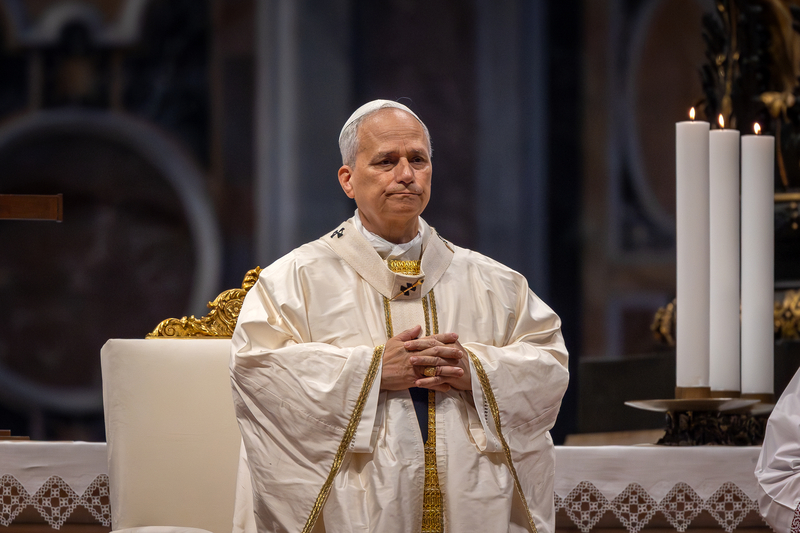
Pope Leo XIV has condemned the separatist crisis that has gripped the southern and northern regions of Cameroon for almost a decade.
Cameroon’s Anglophone crisis dates back to the country’s colonial history. After World War I, Cameroon was divided between France and Britain.
When the country unified in 1961, the English-speaking regions joined French-speaking Cameroon under a federal system to protect their autonomy, but many people in Anglophone Cameroon decried marginalisation and claimed their rights were eroded.
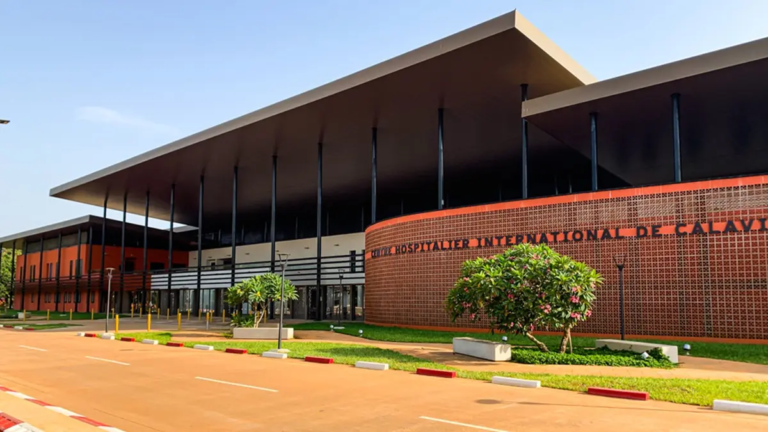
Read More : Benin Opens International Hospital in Calavi
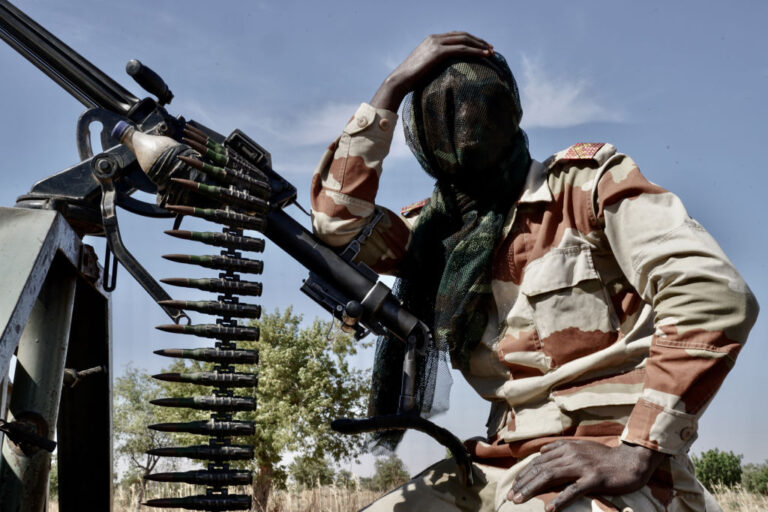
Some separatist groups declared an independent state called “Ambazonia” in 2017. The government responded with military force, and the situation escalated into an armed conflict. The violence has since claimed thousands of lives and displaced hundreds of thousands of Cameroonians.
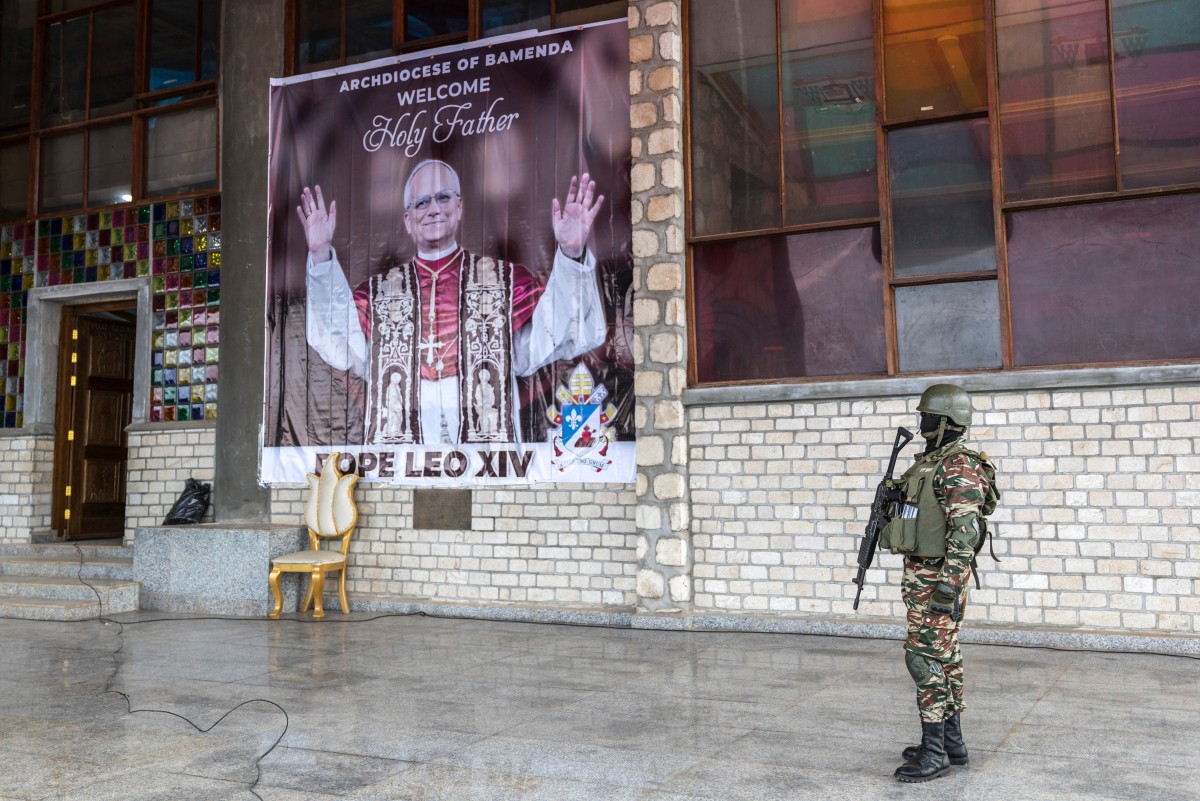
The pontiff, who arrived in the Central African country on Wednesday and was welcomed with fanfare, condemned the crisis, describing it as “an endless cycle of destabilisation and death”.
“Those who rob your land of its resources generally invest much of the profit in weapons, thus perpetuating an endless cycle of destabilisation and death,” Pope Leo XIV said in a message of peace in the northwestern city of Bamenda, which is described as the epicentre of the insurgency.
Pope Leo XIV arrived at Saint Joseph’s Cathedral in a vehicle with bulletproof windows, blessing the joyful crowds which had gathered to greet him on Thursday.
Cameroon’s two anglophone regions have suffered almost a decade of armed violence following attempts to secede from the rest of the majority French-speaking central African country.
Anglophone Cameroonians who decried marginalisation led peaceful protests in 2016, but the protests were violently shut down by President Paul Biya. Conflict erupted, and civilians were targeted with killings and abductions.
According to the United Nations (UN), at least 6,000 people have been killed since 2016.