Trending
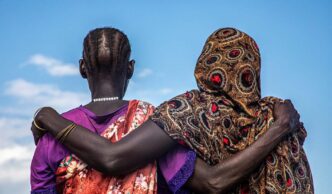
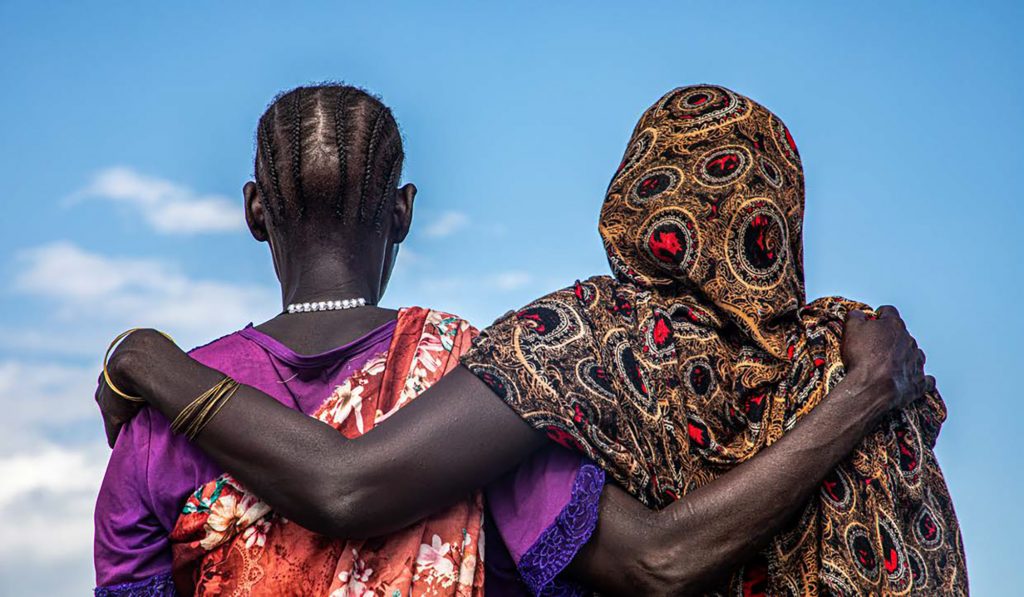
The United Nations Population Fund (UNFPA) Country Representative in Sudan, Fabrizia Falcione, has revealed that three in four women in Sudan feel unsafe as the war plaguing the country intensifies.
Falcione, who disclosed this while briefing journalists in New York on a recent assessment based on 95 focus group discussions across 16 of 18 states, explained that UNFPA arrived at this conclusion after about 1,000 women and girls participated in a survey.
According to her, 76% of the women aged 25 to 49 reported feeling unsafe in the displacement camps and sites, but also outside the camps: in markets, water points, in firewood collection areas, roads and streets.
Read More : US Denies Visa to Sudan’s De Facto Leader
The UN official added that women and girls in camps in Sudan often feel unsafe when going to use latrines in the camps at night.
“No matter where, they feel unsafe, and it’s not about a few incidents or a few locations,” said Falcione.
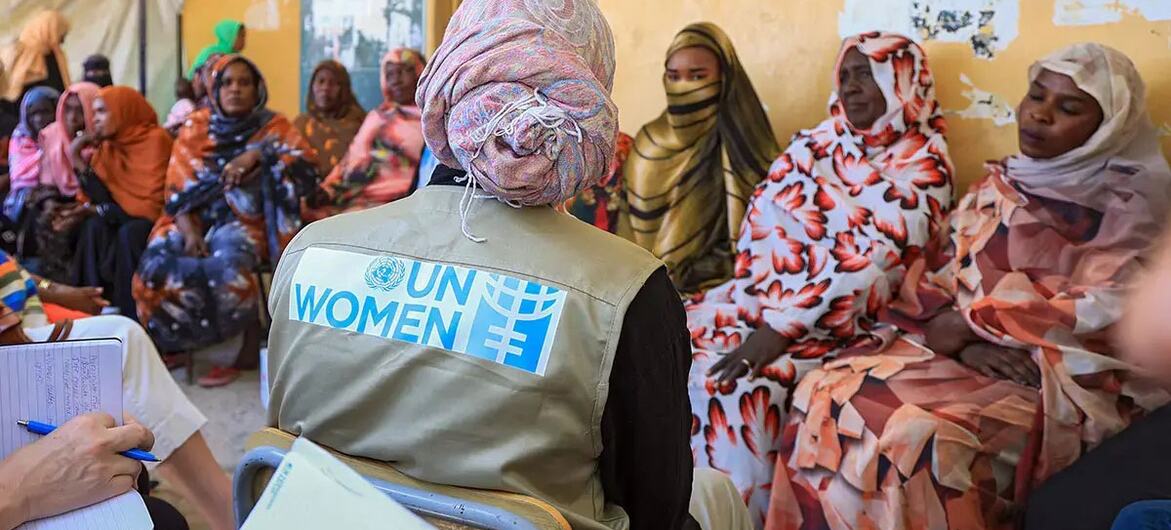
Fighting, which has persisted for over three years between the Sudanese Armed Forces (SAF) and the Rapid Support Forces (RSF), has shown no signs of stopping.
According to Falcione, women who are caught in the conflict have suffered enormous violence or witnessed violence being suffered by their families and community members and have faced harassment, sexual violence, all types of physical violence, shortage of food and water.
Falcione said that three-quarters of the women who participated in the survey indicated that the main priority was economic empowerment and livelihoods, while her missions confirmed that women want to return home.
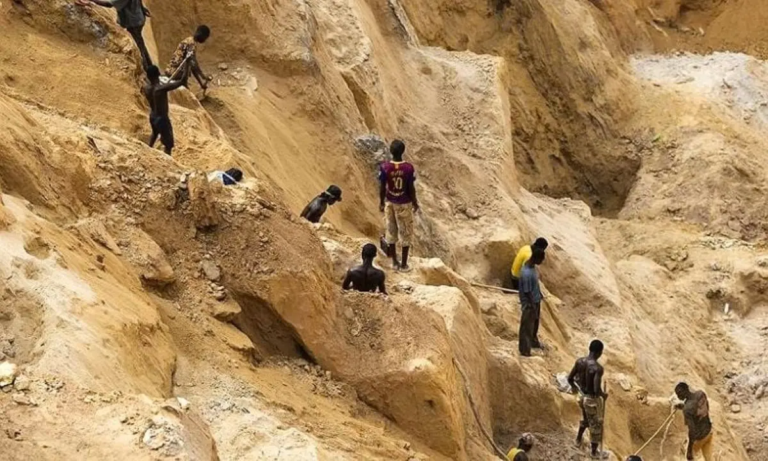
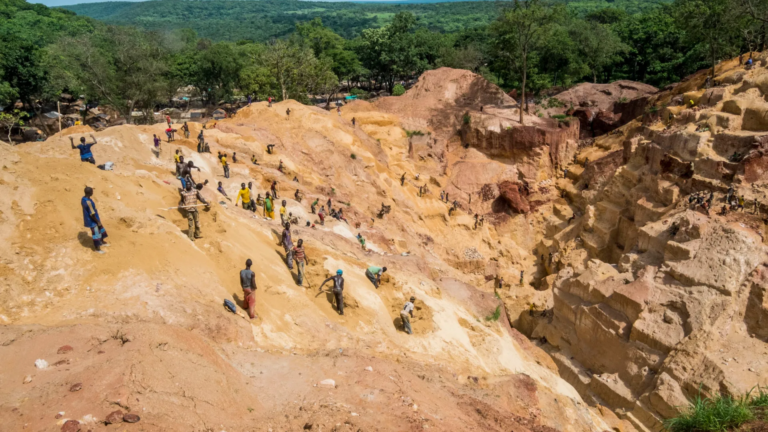
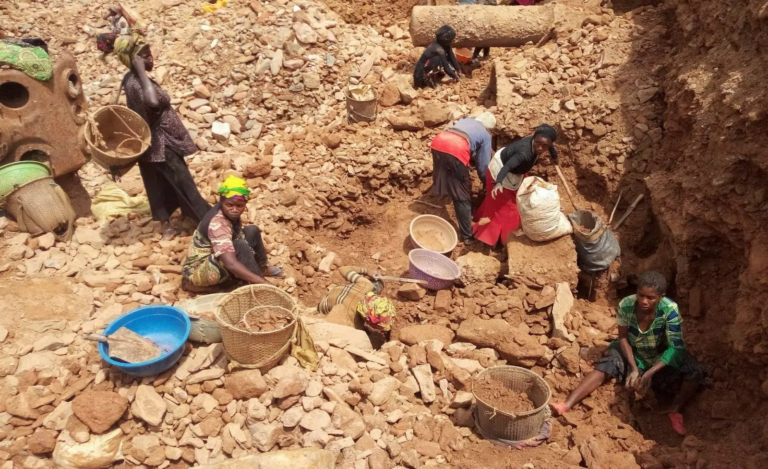
Read More : Sudan Gold Mine Collapse Kills 10
She said the women ask for human necessities, including basic services and access to health care; access to schools, particularly for their children; and livelihood opportunities. Falcione, however, noted that beyond feeding, Sudanese women want opportunities, income-generating activities, and the ability to feed their families and children.
Despite the growing humanitarian crisis, there is insufficient funding to address it, according to Falcione.
“We keep hearing over and over that this is a protection crisis, particularly affecting women and girls, it is a health crisis, and yet the funding is not following—neither the definition nor the needs that are being identified,” she said.