Trending

Violence across Nigeria’s Middle Belt is deepening fears about safety, displacement, and the future of affected communities. From Plateau to Benue and parts of Nasarawa, repeated clashes often linked to farmer-herder tensions, ethnic divisions, and disputes over land are taking a heavy toll, destroying homes, disrupting livelihoods, and leaving many families uncertain about what comes next.
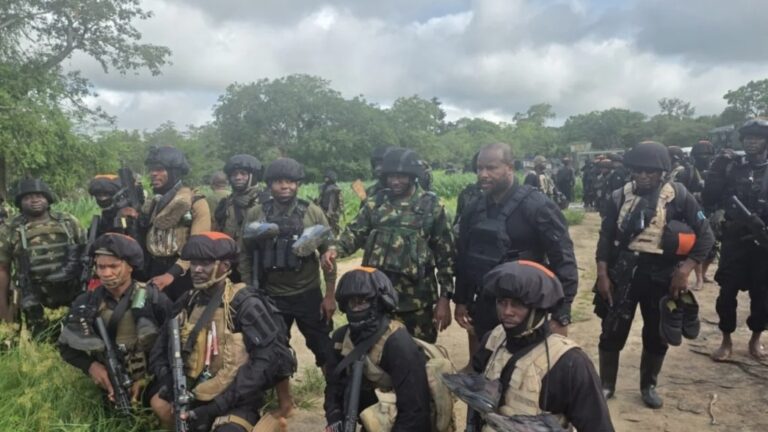
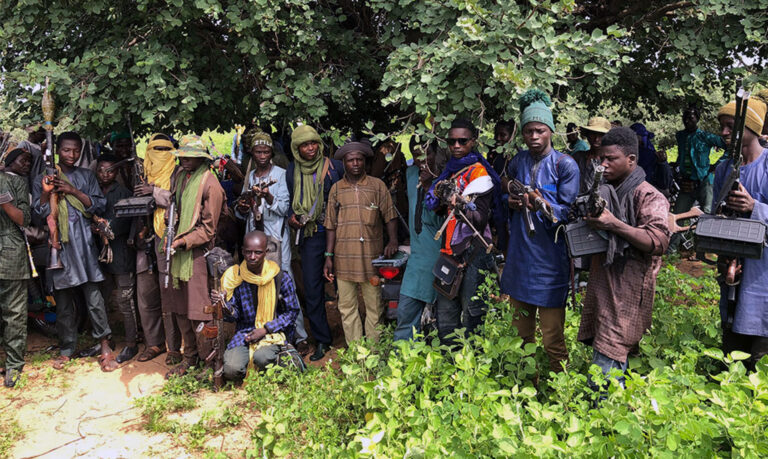
In recent weeks, local authorities and humanitarian groups have reported attacks on rural settlements, with dozens killed and many more displaced. Survivors recount harrowing experiences of night raids, razed homes, and the devastating loss of entire families. The violence has stretched security resources thin and deepened mistrust among communities that have coexisted for decades.
Analysts highlight a complex web of causes, including climate-induced migration, weak law enforcement, proliferation of small arms, and unresolved historical grievances. While federal and state governments have repeatedly pledged decisive action, critics argue that leaders often respond to crises rather than prevent them.
Read More : CBN Cuts Benchmark Rate to 23 Percent
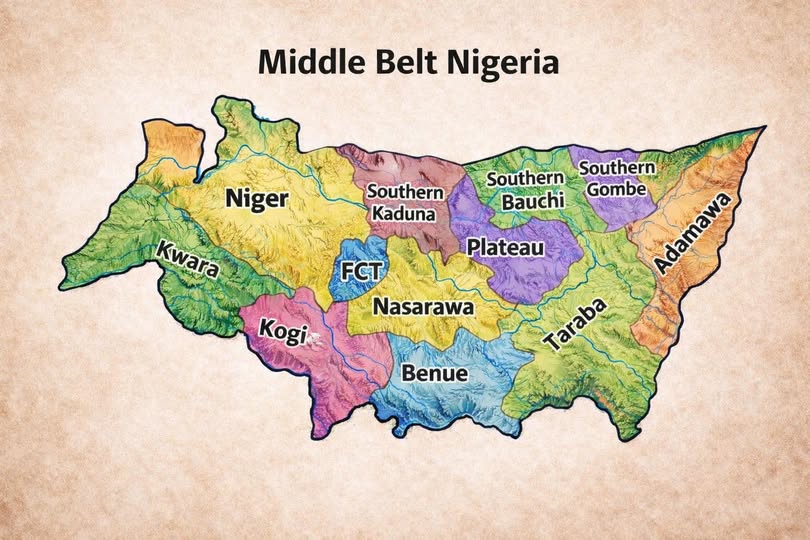
Community leaders and civil society groups are increasingly calling for inclusive dialogue as a path to lasting peace. They emphasise the need for conversations that go beyond political rhetoric, focusing instead on addressing root causes and rebuilding trust among affected communities.
As efforts to find solutions continue, attention is turning to platforms that encourage open and meaningful engagement. One such initiative is News Central TV’s upcoming town hall scheduled for May 7, 2026, in Jos, Plateau State, which many see as an important step towards fostering dialogue and promoting understanding. The forum is notable for bringing together a diverse group of stakeholders, such as government officials, security experts, community leaders, and affected residents, to scrutinise the drivers of violence in the Middle Belt and collaboratively seek long-term, impactful solutions.
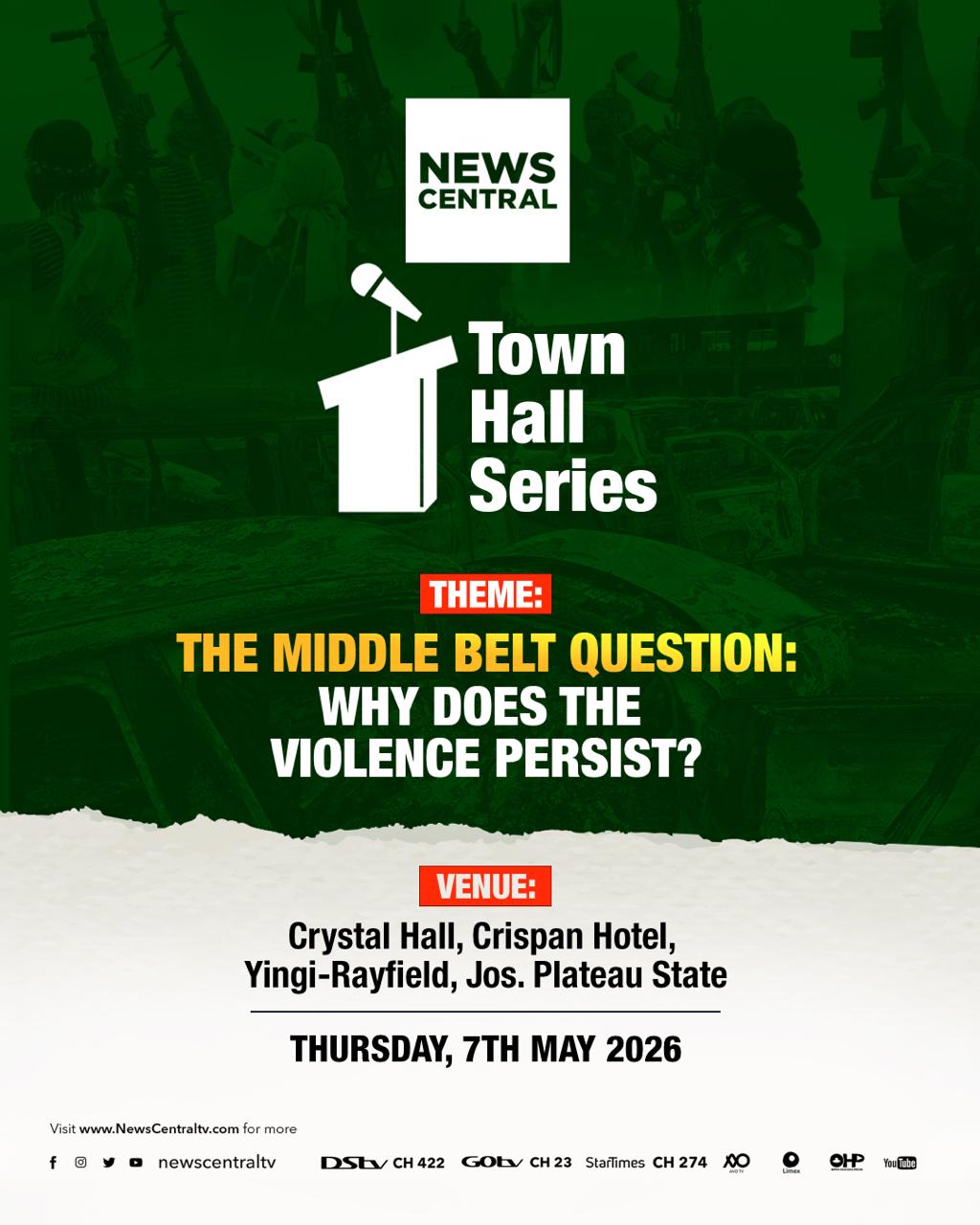
Building on previous discussions of violence in the Middle Belt region, the theme is “The Middle Belt Question: Why Does the Violence Persist?”, highlighting the longstanding debates and the need for urgent action. The event is expected to serve not just as another meeting but as a focal point for high-stakes discussions that could influence policy and peacebuilding efforts across the region.
The town hall will provide a platform for conversations, bridging the gap between policymakers and those directly impacted. Organisers say the initiative is part of a broader commitment to fostering informed dialogue and empowering communities to shape their own futures.
As tensions persist, many observers view such engagements as critical steps toward breaking the cycle of violence and rebuilding trust in one of Nigeria’s most volatile regions. With the humanitarian toll mounting and camps across the region overstretched, aid agencies warn that a crisis looms if stakeholders do not urgently scale up coordinated interventions.
The Middle Belt Town Hall seeks to spur dialogue for peace, economic progress, and inclusive governance.