Trending
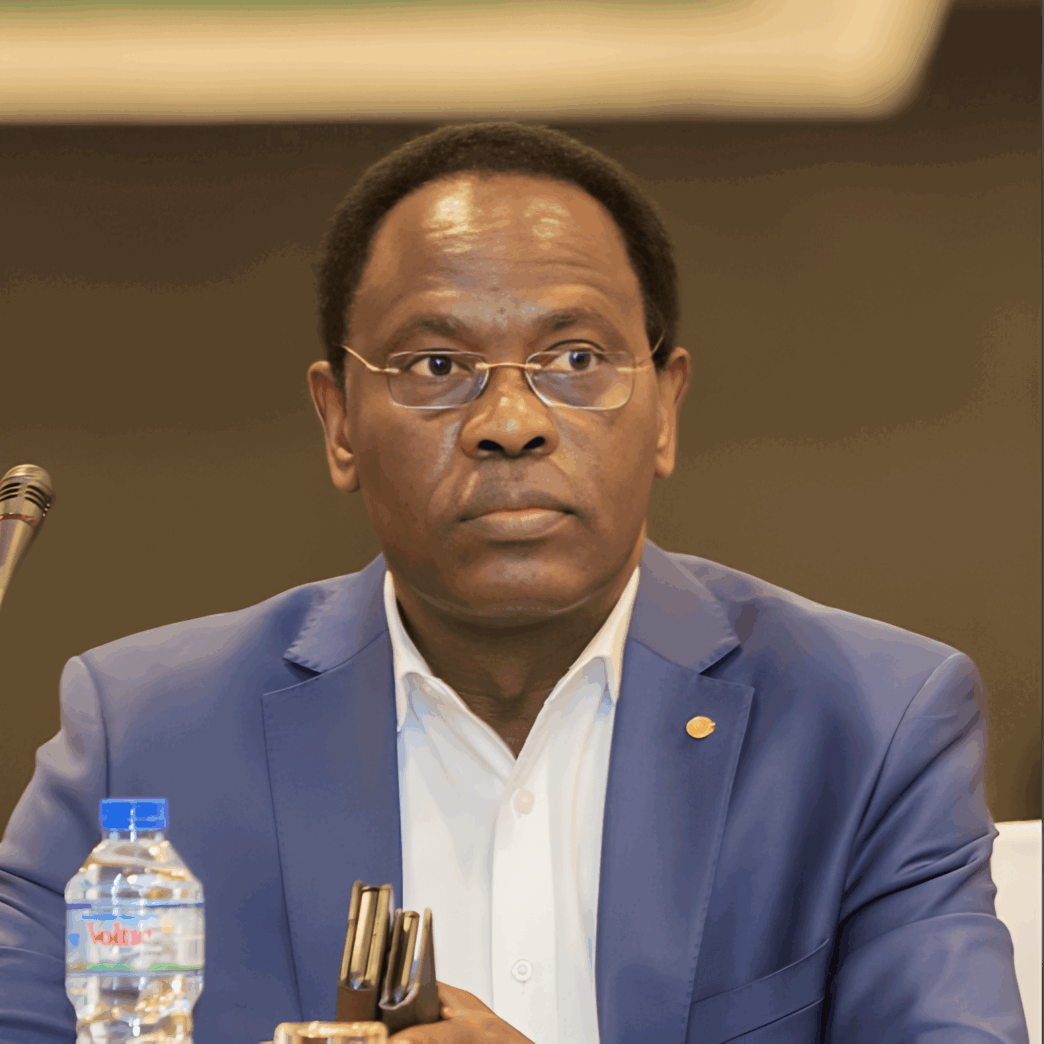
The West African Health Organisation (WAHO) has urged countries in the region to take decisive action to eliminate malaria.
In a statement shared on X to mark the 2026 World Malaria Day observed on Saturday, WAHO called on development partners and donors to consolidate and strengthen their financial and technical support to reduce the region’s malaria burden and eliminate the disease.
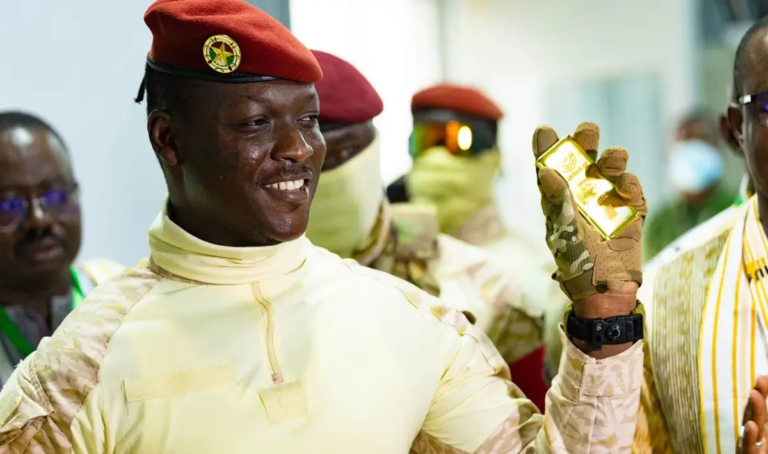
Read More : Burkina Faso Opens First Gold Refinery
— WAHO | OOAS (@OoasWaho) April 25, 2026
“WAHO reaffirms its commitment to working with Member States and partners to accelerate progress towards malaria elimination through the implementation of the Regional Malaria Elimination Framework,” the statement read in part.
“WAHO calls on Member States to make malaria elimination a national development priority and increase domestic investment in the healthcare sector. WAHO calls on development partners and donors to consolidate and strengthen their financial and technical support.”
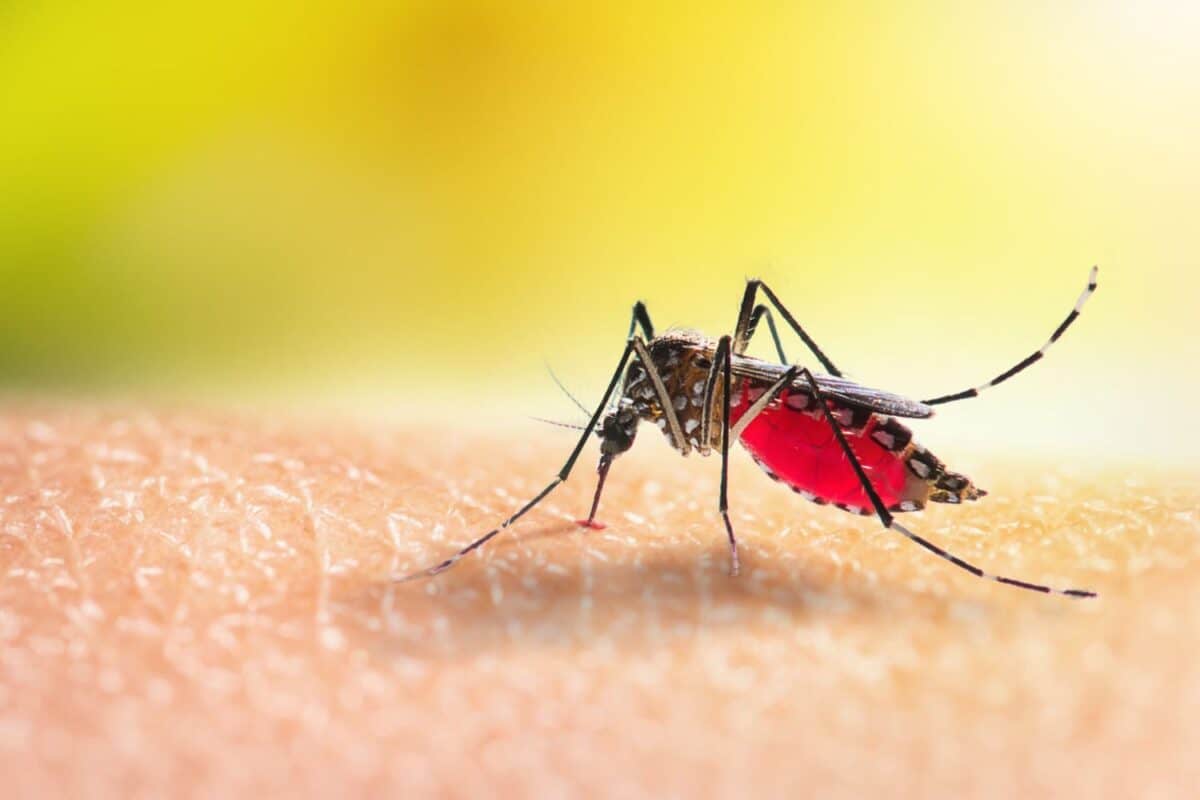
West Africa accounts for about 40 per cent of the global malaria burden. Despite efforts to reduce the disease through national malaria control programmes, regional coordination, and support from regional and international partners, malaria remains a major public health challenge across the subregion, particularly in countries such as Nigeria, which bears the highest burden globally.
Children under five and pregnant women are among the most affected, with the disease placing a heavy strain on health systems and socio-economic development.
West African Health Organisation cited funding gaps, weak health systems, the impacts of climate change, humanitarian crises, and the emergence of drug and insecticide resistance as key threats to malaria elimination efforts in the region.
It commended member states for their commitment to malaria control and elimination, while urging sustained action to expand access to prevention, diagnosis, and treatment services, strengthen surveillance systems, adopt new tools and technologies, and promote community participation.
WAHO also reaffirmed its commitment to supporting member states through enhanced technical assistance, policy harmonisation, stronger cross-border collaboration, and increased funding for malaria eradication.