Trending
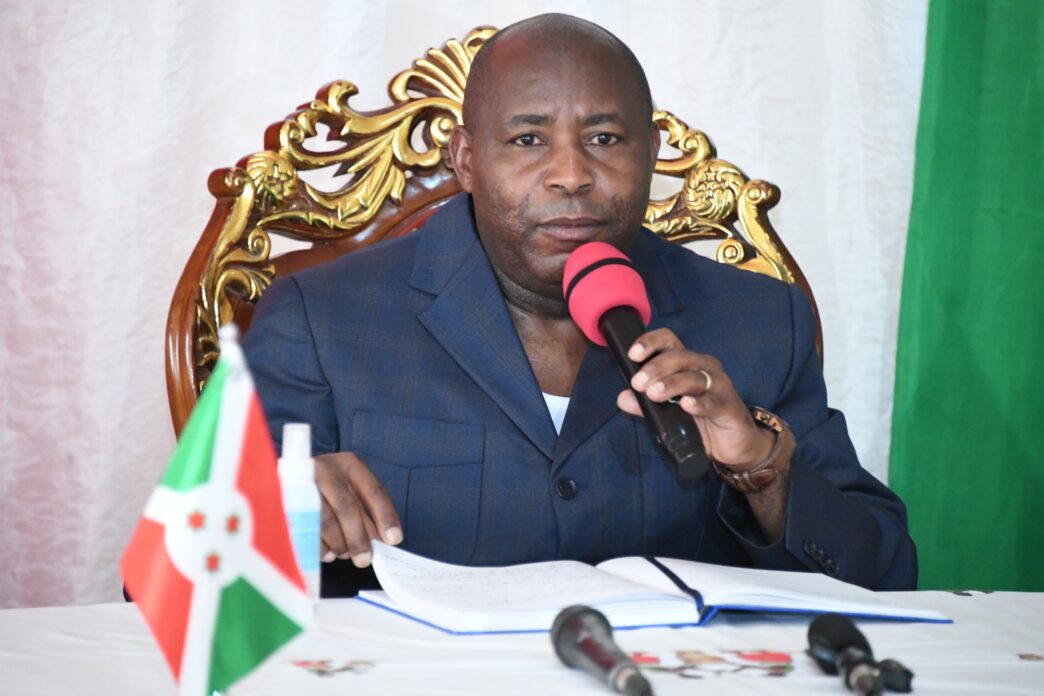
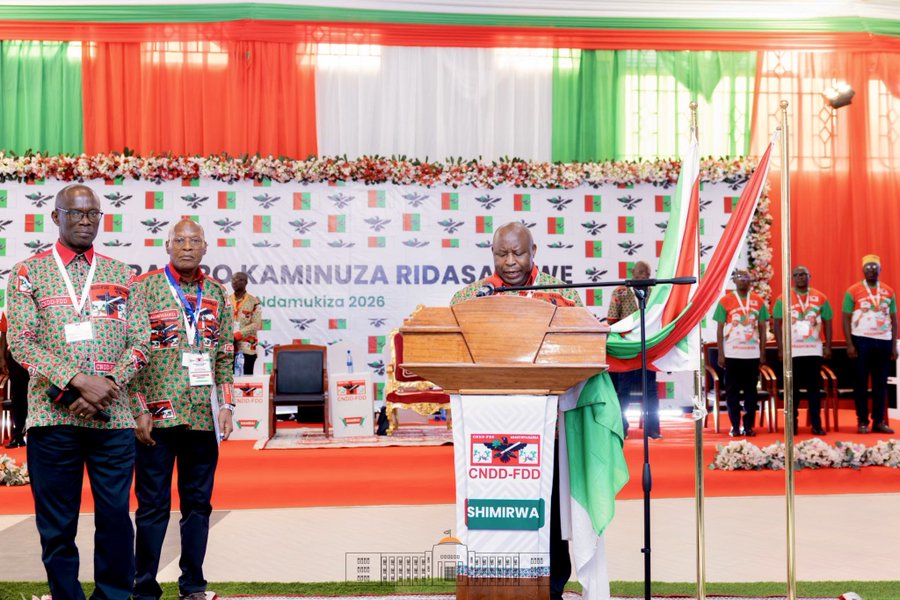
Burundian President Evariste Ndayishimiye has been named as the ruling party’s candidate for next year’s presidential election, the CNFDD-FDD party announced Sunday.
Ndayishimiye, 57, has led the poor East African nation since 2020, succeeding long-time leader Pierre Nkurunziza, who died in office.
The party announced its decision in a post on X, stating that Ndayishimiye would run for a seven-year mandate. No firm election date has been set.
“As you have already seen, with what we have done up to now, I pledge to continue the work we are doing, with all of you, so that all Burundi profits in peace,” Ndayishimiye said on X, thanking party members “for putting their trust in me.”
Ndakengurukiye Abagumyabanga banyizeye mw’ikoraniro kaminuza ridasanzwe, bakanshira imbere nk’umukandinda wa @cnddfdd mu matora y’Umukuru w’igihugu ya 2027.
Ko twakoze mugashima, ndabemereye kubandanya ikivi,turi kumwe twese, kugira umurundi wese atunge kandi atunganirwe.
Komera! pic.twitter.com/nddstD08ao— SE Evariste Ndayishimiye (@GeneralNeva) April 26, 2026
The president, a general and former ruling party head who served in various roles under Nkurunziza, is considered the favourite going into the election.
He was first elected in May 2020, when there were claims of fraud and his main opponent was disqualified from running.
A spokesman for one of the opposition parties said the upcoming vote would not meet international standards.
“Ndayishimiye has already spent more than five years without providing fuel, foreign currency or the basic necessities the population needs,” said Epitace Nshimirimana, a spokesman for the Movement for Solidarity and Development (MSD), whose leader is in exile.
“This means he is being given another seven years to go on impoverishing and destroying the country,” he added.
Burundi, a landlocked nation of 15 million people, remains one of the poorest countries in the world. Since assuming power, Ndayishimiye has walked a fine line between reducing the influence of powerful military figures and maintaining tight control over the government.
The United Nations and international rights groups have repeatedly documented human rights violations in the country.
Earlier this month, Burundi’s media and communications minister died in what the government called a car accident. Sources said the circumstances remained unclear and would be subject to investigation.
In another recent development, former prime minister General Alain-Guillaume Bunyoni, serving a life sentence for an alleged coup attempt, was released from prison on medical grounds last month.
Bunyoni, once one of the most powerful figures in the government, served as prime minister from mid-2020 until his dismissal in September 2022. His firing came just days after Ndayishimiye publicly warned of a coup plot against him.
Burundi has not fully recovered from the political upheaval of 2015, when Nkurunziza’s decision to seek a third term sparked widespread unrest. The security forces’ crackdown included summary executions, enforced disappearances, arbitrary detentions, torture and sexual violence, according to international prosecutors.
The International Criminal Court has estimated that around 1,200 people were killed and 40,000 forced into exile during the crisis.
Ndayishimiye currently serves as chairperson of the African Union, a rotating one-year position he assumed in February.