Trending
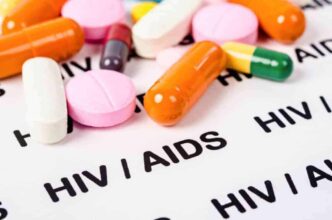
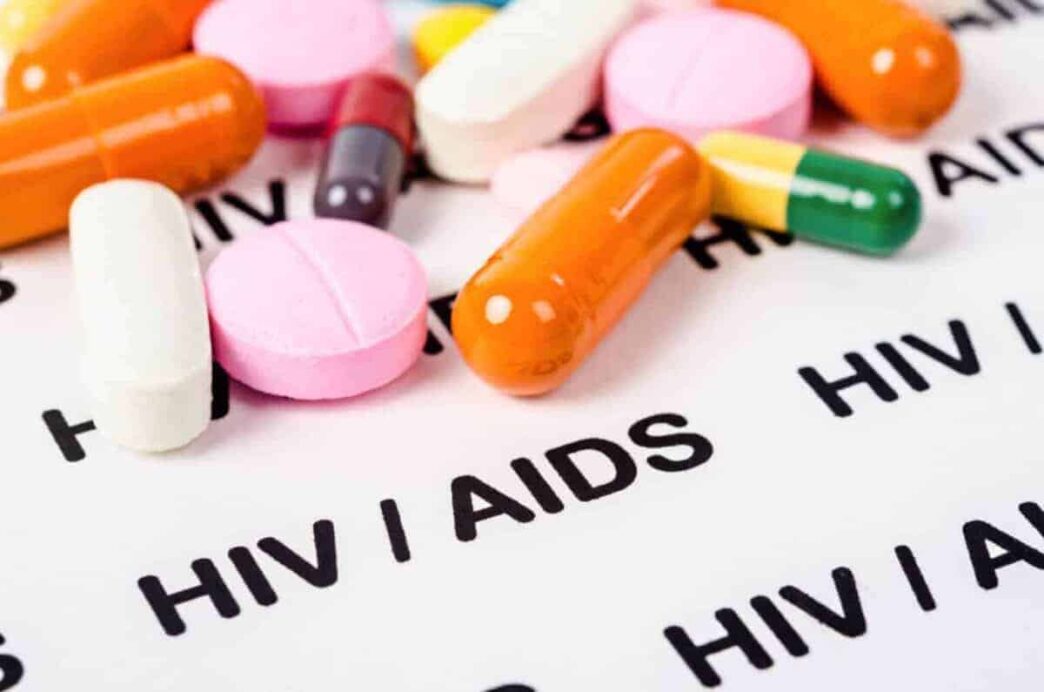
Senegalese health officials have revealed that many HIV patients in the country are avoiding treatment centres following a crackdown on LGBTQ persons.
The health officials said this pattern poses a risk to the country’s efforts in controlling the spread of HIV.
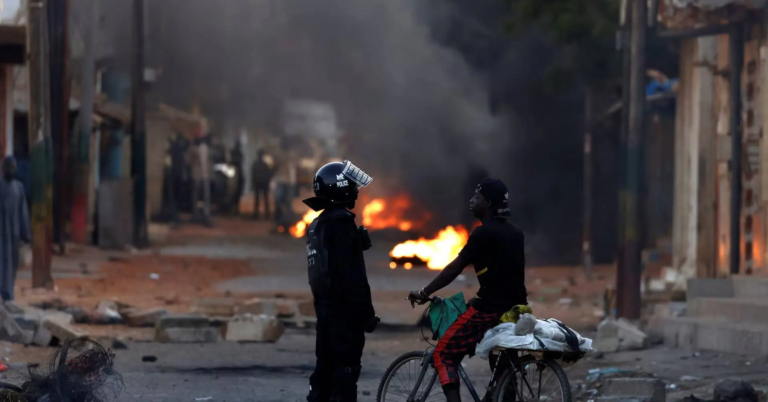
The Senegalese Government had, in March 2026, increased the maximum jail term for same-sex relations to 10 years and prohibited activities considered to promote such practices. The maximum fine for offenders was also increased to 10 million CFA francs (about 18,000 dollars).
Rights groups and media agencies in the country reported that at least 86 people have been arrested since the crackdown began in February 2026. Among them were 18 individuals who were detained during a raid on April 19, 2026, in Linguere, a town about 300 kilometres northeast of Dakar.
Senegalese President Bassirou Diomaye Faye also introduced a new anti-LGBTQ bill before the country’s parliament.
The National Council for the Fight against AIDS (CNLS) revealed that the fear of arrest and possible abuse of LGBTQ persons is discouraging some patients from accessing antiretroviral drugs.
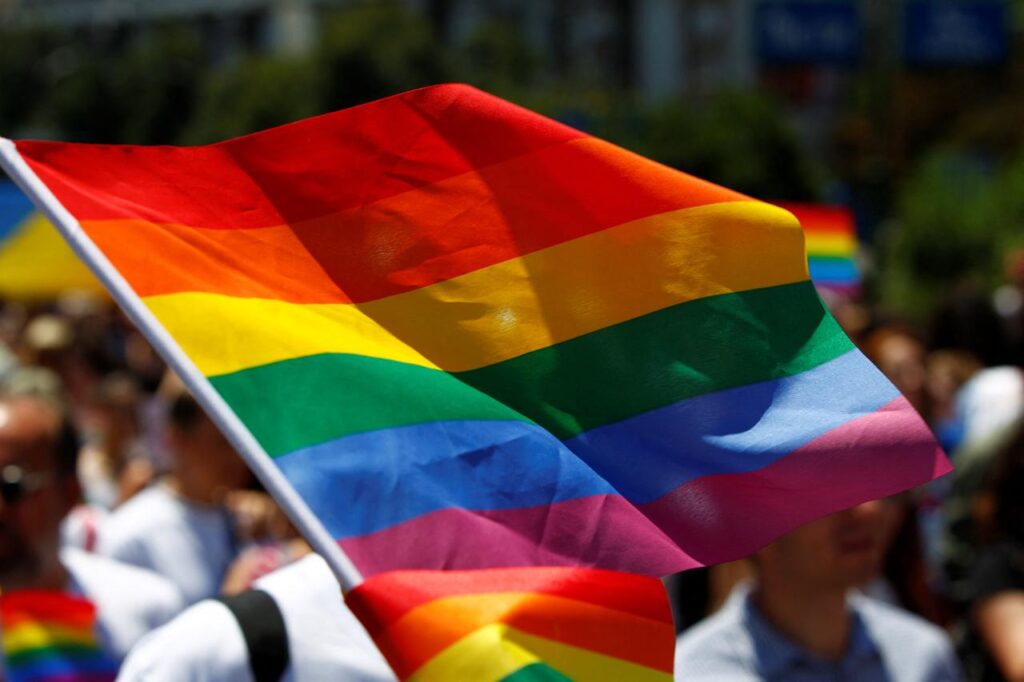
Credit: Reuters.
According to the Joint United Nations Programme on HIV/AIDS (UNAIDS), the West African country is among a few countries in West and Central Africa where new HIV infections have increased in recent years.
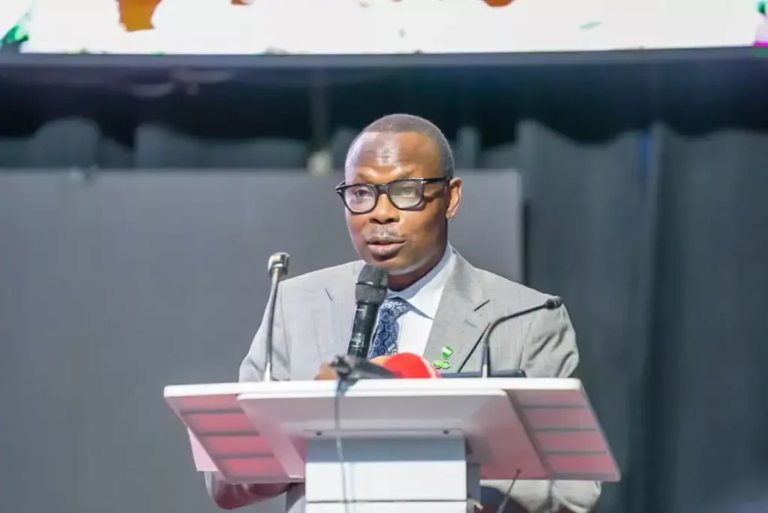
Dr Safiatou Thiam, former health minister and CNLS Executive Director, warned that the crackdown on LGBTQ persons could negatively impact the country’s ongoing HIV response efforts.
Thiam said health workers are committed to patient confidentiality and are engaging law enforcement authorities on the need to uphold it. She also warned the media against publishing names and the HIV status of suspects, adding that it could expose them to stigma and discrimination.
A Senegalese community health worker who spoke to Reuters on the condition of anonymity said fear has forced some outreach workers into hiding. The health worker warned that HIV patients may stop taking medication or avoid treatment entirely to escape suspicion, increasing the risk of HIV-related deaths.
A survey conducted by CNLS in 22 treatment centres across the country revealed that 1,803 patients accessed services in February, down from 2,425 in January 2026, a decline of 25.6%.
The survey followed concerns that the crackdown could disrupt HIV testing and treatment across Senegal.