Trending
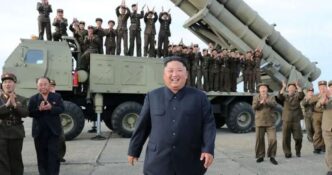
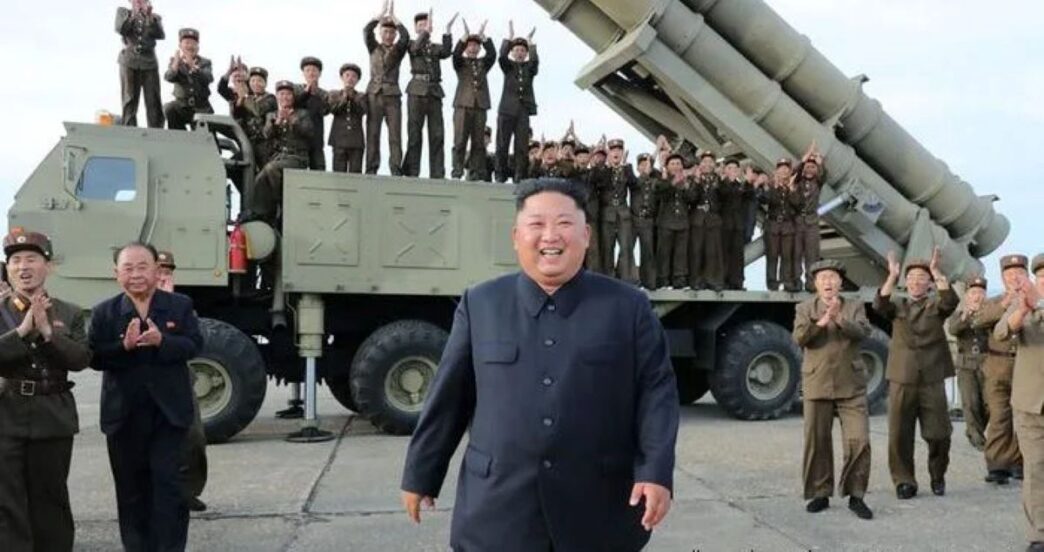
North Korea has declared that it no longer considers itself bound by the global Nuclear Non-Proliferation Treaty (NPT), insisting that no amount of international pressure will alter its status as a nuclear-armed state.
The statement was delivered by North Korea’s top envoy to the United Nations, Kim Song, during the 11th NPT Review Conference currently taking place at UN headquarters. His remarks were published Thursday by the state-run Korean Central News Agency (KCNA).
Kim accused the United States and allied countries of “groundlessly calling into question” North Korea’s sovereign rights and its current position on nuclear weapons. He said external criticism or diplomatic pressure would not reverse Pyongyang’s nuclear policy.
Read More : 7.7 Quake Hits Panama, Triggers Tsunami Warning
“The status of the Democratic People’s Republic of Korea as a nuclear-armed state will not change based on external rhetorical claims or unilateral desires,” Kim said.
He further said that North Korea “will not be bound by the Non-Proliferation Treaty under any circumstances whatsoever,” reinforcing Pyongyang’s long-standing position that its nuclear weapons programme is permanent and non-negotiable.
North Korea first threatened to withdraw from the NPT in 1993 before formally pulling out in 2003. Since then, the country has conducted six nuclear tests, drawing repeated sanctions and condemnations from the United Nations Security Council. Analysts believe Pyongyang now possesses dozens of nuclear warheads.
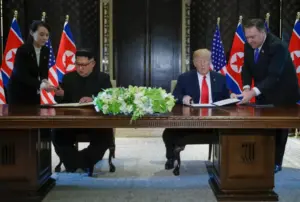
Kim also noted that North Korea’s nuclear status has been written into its constitution, saying the country has openly declared its principles regarding the use of nuclear weapons.
Read More : Trump Secures Russian Diesel for US Market
Pyongyang has consistently described its nuclear programme as “irreversible” and has repeatedly pledged to strengthen its military capabilities despite international sanctions.
The comments come at a time of growing concern over North Korea’s military cooperation with Russia. Pyongyang has reportedly supplied artillery shells and troops to support Moscow’s war in Ukraine, while observers believe Russia may be providing military technology assistance in return.
According to the Stockholm International Peace Research Institute (SIPRI), the world’s nine nuclear-armed states possessed an estimated 12,241 nuclear warheads as of January 2025. SIPRI says the United States and Russia account for nearly 90 per cent of the global stockpile and have continued modernising their arsenals in recent years.