Trending


The United States Centres for Disease Control and Prevention (CDC) says the risk of hantavirus spreading to the American public remains “extremely low” following confirmed cases aboard the expedition cruise ship M/V Hondius.
The reassurance came after three passengers on the vessel died from the rare but potentially deadly virus, prompting concern among families and travellers waiting to return home. The ship, which has been at sea following the outbreak, is now preparing for the evacuation of remaining passengers through Spain’s Tenerife island, with operations expected to begin on May 11.
In a statement released on Wednesday, the CDC sought to ease fears of a broader health threat in the United States.
Read More : 7.7 Quake Hits Panama, Triggers Tsunami Warning
“At this time, the risk to the American public is extremely low,” the agency said. The health body also urged Americans still aboard the ship to cooperate with ongoing safety measures and official guidance.
“We urge all Americans aboard the ship to follow the guidance of health officials as we work to bring you home safely,” the CDC added.
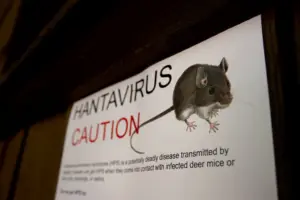
Hantavirus is a rare infectious disease commonly linked to contact with infected rodents or exposure to their urine, droppings, or saliva. Depending on the strain, the virus can cause severe respiratory illness or haemorrhagic fever, both of which can become life-threatening if not treated quickly.
Health authorities have not yet released full details about how the infections occurred aboard the M/V Hondius, but monitoring and containment efforts are ongoing as officials coordinate the evacuation process.
The incident has drawn international attention because of the virus’s high fatality rate in severe cases, even though outbreaks remain uncommon. Public health experts continue to stress that hantavirus does not spread easily between people in most cases, making a broader outbreak unlikely.