Trending


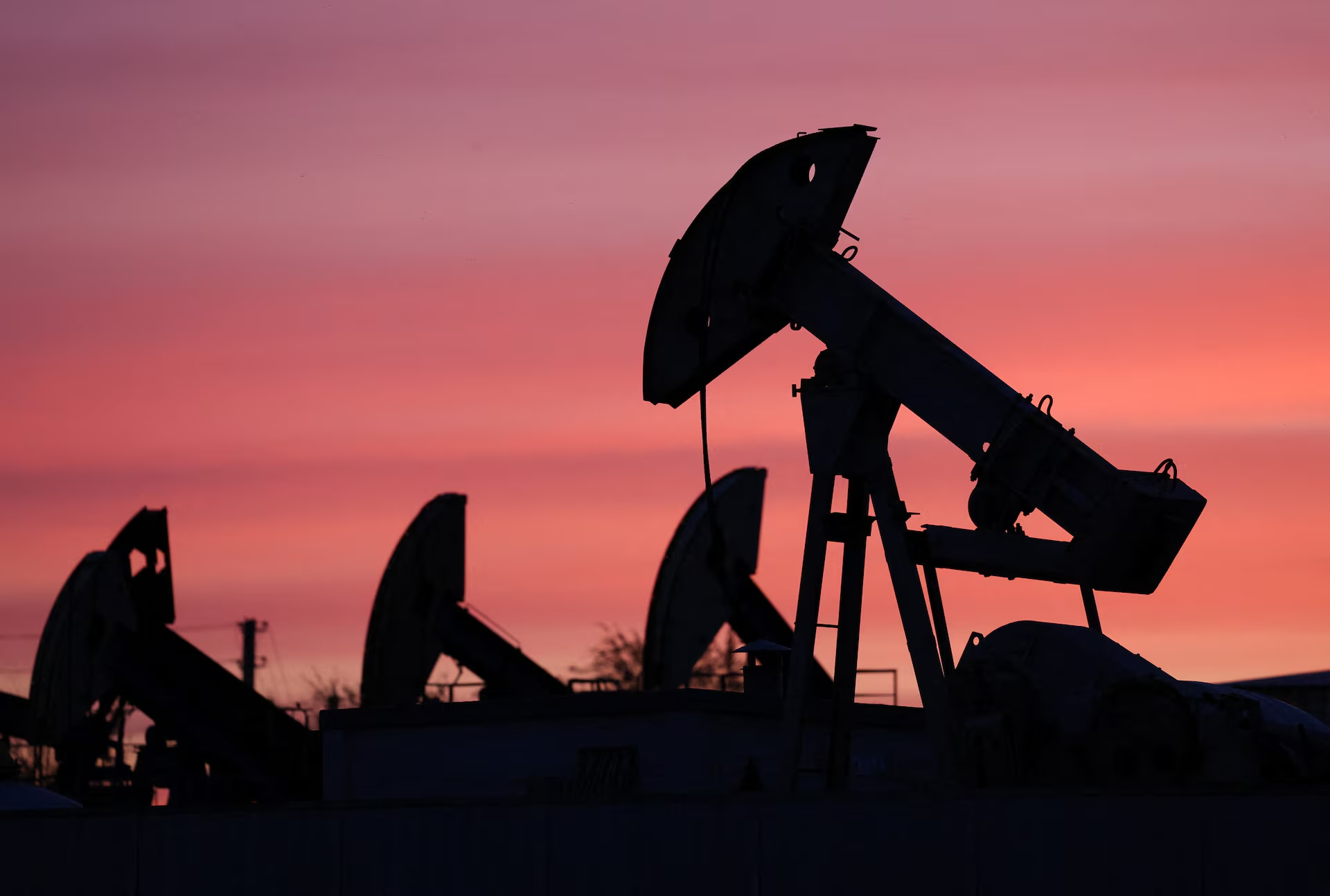
Global stock markets declined, and oil prices surged on Tuesday as investors reacted to a deadlock in US-Iran peace talks and the ongoing closure of the Strait of Hormuz.
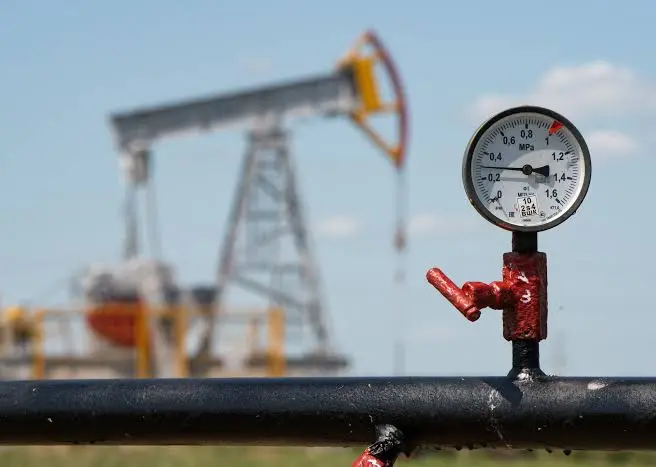
The international benchmark Brent crude climbed nearly four per cent to over $108 a barrel after Tehran warned that Washington must accept its peace plan or face further instability.
This energy spike has intensified global inflation fears, sending government bond yields to multi-year highs and dampening hopes for near-term interest rate cuts.
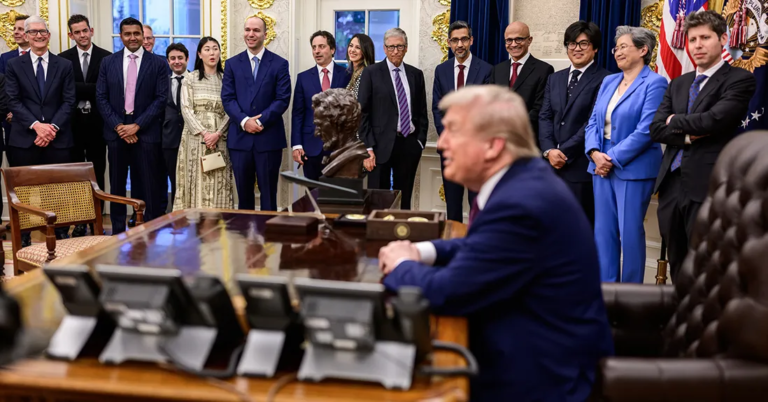
Read More : White House Hosts AI Leaders on Regulation
In the United States, the Consumer Price Index (CPI) rose to 3.8 per cent in April, marking its largest annual increase in nearly three years.
Analysts noted that even “core” inflation, which excludes volatile food and energy costs, exceeded expectations.
This data triggered a retreat on Wall Street, with the Nasdaq and S&P 500 falling from recent record highs as investors moved away from high-growth technology and semiconductor stocks.
The economic pressure is particularly acute in Britain, where 30-year bond yields hit their highest level since 1998.
Credit: Reuters
The UK is facing a “double whammy” of rising energy costs and domestic political turmoil as Prime Minister Keir Starmer faces calls to resign.
Meanwhile, in Asia, South Korean tech stocks plummeted following local proposals for a new tax on artificial intelligence profits, further contributing to the global market downturn.
Read More : Egypt to Host Africa Business Summit
All eyes are now on a high-stakes diplomatic mission to Beijing, where President Donald Trump is scheduled to meet President Xi Jinping.
The summit is expected to cover critical issues, including the war in Iran, trade tariffs, and rare earth elements.
With China serving as a major buyer of Iranian crude, the outcome of these discussions is seen as pivotal for stabilising global energy markets and resolving the current diplomatic impasse.