Trending

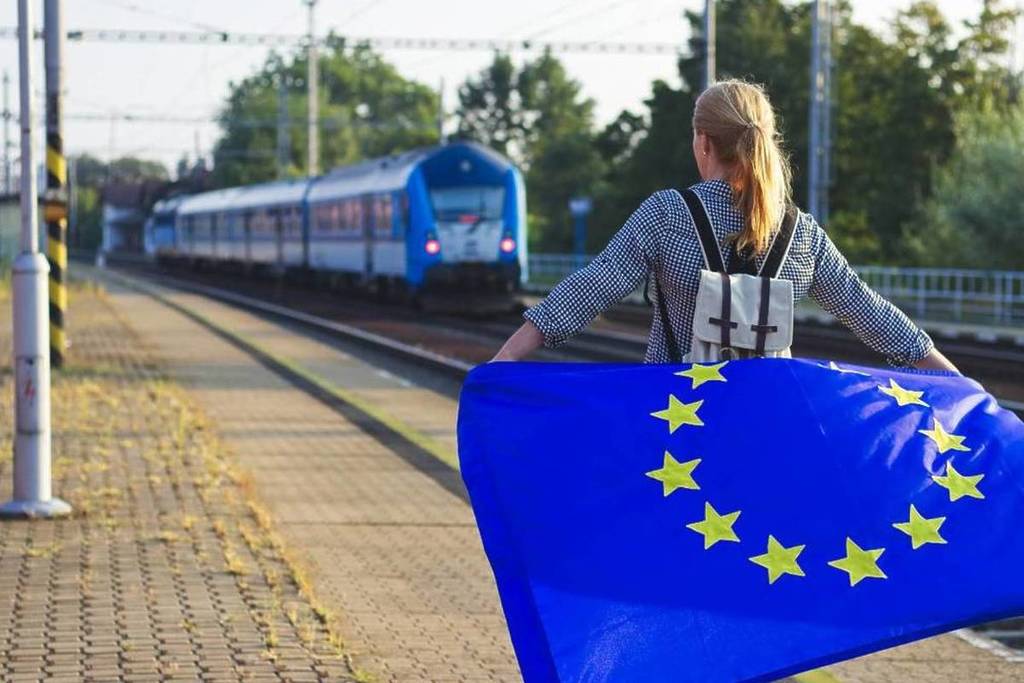
The European Union (EU) is preparing to unveil new regulations on Wednesday that could force national railway companies to sell tickets for rival operators on their websites and share booking data with third-party platforms.
The initiative, part of the EU’s broader plan to boost train travel, aims to simplify cross-border journeys across the continent. The move comes as part of efforts to improve Europe’s rail connections, reduce reliance on air travel, and lower carbon emissions.
At present, passengers often face difficulties when planning multi-country train trips due to fragmented national rail systems, each with its own ticketing platform. These separate systems not only create complications for travellers but also contribute to higher costs.
Read More : Washington Tightens Iran Economic Squeeze
The European Commission’s proposed law would address these issues by ensuring that passengers can book a single ticket for their entire journey, regardless of which operators are involved.
Vivien Costanzo, a centre-left EU lawmaker, emphasised the need to simplify the booking process.
“Booking cross-border train journeys within Europe is still unnecessarily complicated,” Costanzo said. “A European rail system needs simple bookings, reliable connections, and clear rights for passengers. Only then will rail become a genuine European alternative to short-haul flights.”
Currently, train tickets are mostly sold through national rail operators, which hold monopolies in their respective countries. These companies have little incentive to open their platforms to competitors, critics argue. The new proposal would compel operators to display their rivals’ offers and share ticket data with other booking platforms, allowing passengers to compare prices and purchase tickets in one go.
However, the proposal has faced staunch opposition from rail operators, particularly those that are publicly owned, as they view the regulations as an unprecedented overreach.

Alberto Mazzola, head of the Community of European Railways (CER), criticised the plan, comparing it to forcing an airline like Lufthansa to sell tickets for a competitor, such as Ryanair. Mazzola argued that the new law could harm operators who have invested heavily in developing their own ticketing platforms.
Despite the criticism, supporters argue that the changes will result in more competitive pricing and improved services for passengers.
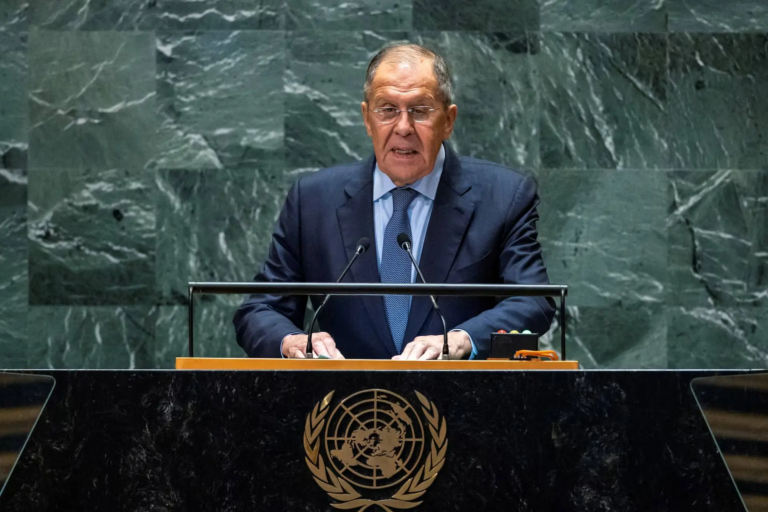
Read More : UNGA: Lavrov Offers Help in Gulf, Slams Europe
A 2025 YouGov survey for advocacy group Transport & Environment found that 63% of respondents avoided train travel due to ticket booking complexities. The new rules are expected to address these issues, potentially increasing the share of cross-border rail travel, which currently accounts for only 7% of total rail journeys in Europe.
In addition to these changes, the EU is also expected to revise passenger rights, including compensation for missed connections and the ability to take the next available train. These updates come at a time when rising fuel prices and potential aviation-sector shortages have created an opportunity for rail to present itself as a more reliable alternative for travellers across Europe.
While the new law will likely face challenges in the European Parliament and among member states, it marks a significant step toward modernising Europe’s rail system and making it a more practical, environmentally friendly option for travellers.