Trending
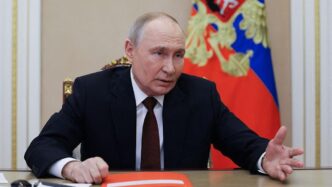
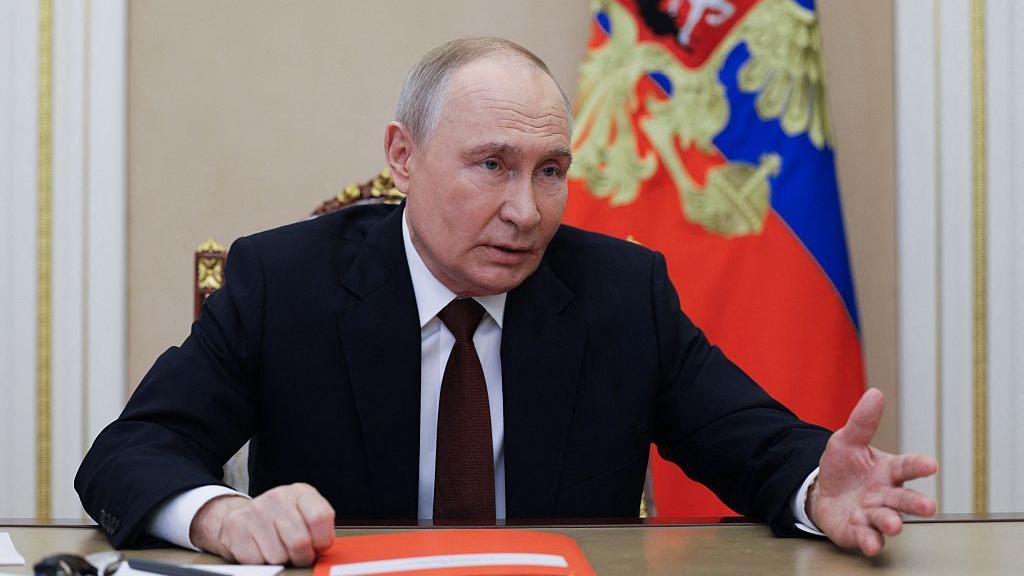
Russian President Vladimir Putin is set to travel to China on May 19 for a two-day state visit, just days after US President Donald Trump concluded a closely watched trip to Beijing.
The Kremlin says the visit will focus on strengthening strategic ties between Moscow and Beijing as geopolitical tensions continue to reshape global alliances.
According to a Kremlin statement released on Saturday, Putin will meet with Chinese President Xi Jinping to discuss ways to “further strengthen the comprehensive partnership and strategic cooperation” between both countries. The two leaders are also expected to “exchange views on key international and regional issues” before signing a joint declaration at the end of the talks.
Read More : ICC Condemns US Sanctions
Putin is additionally scheduled to hold discussions with Chinese Premier Li Qiang on economic and trade cooperation, underscoring the growing commercial relationship between the two nations.
The Kremlin’s announcement comes immediately after Trump wrapped up the first visit to China by a sitting US president in nearly ten years. Although Trump received an elaborate state reception in Beijing, major disagreements between Washington and Beijing remain unresolved, particularly over trade disputes, Taiwan, and the Russia-Ukraine war.
During Trump’s meetings with Xi, both leaders reportedly discussed the Ukraine conflict as well as the ongoing US-Israeli war with Iran. However, the American president left Beijing without any clear diplomatic breakthrough on either issue.
China has consistently called for negotiations to end the Ukraine conflict while positioning itself as neutral in the war. Beijing has refused to condemn Russia’s 2022 military offensive in Ukraine and has repeatedly denied Western allegations that it is supplying Moscow with weapons or military technology. Chinese officials instead accuse Western governments of prolonging the conflict by continuing to arm Ukraine.
As Western sanctions continue to isolate Russia economically, China has emerged as Moscow’s most important economic partner, particularly through large-scale purchases of Russian oil and gas exports. The relationship has deepened significantly since the start of the war, with both countries presenting their partnership as a counterweight to Western influence.
Efforts led by the United States to broker negotiations between Russia and Ukraine have appeared increasingly stalled since the outbreak of the US-Israeli conflict with Iran on February 28.
Moscow has also maintained a hardline position, insisting it will not agree to a ceasefire or broader negotiations unless Ukraine accepts key Kremlin demands.