Trending
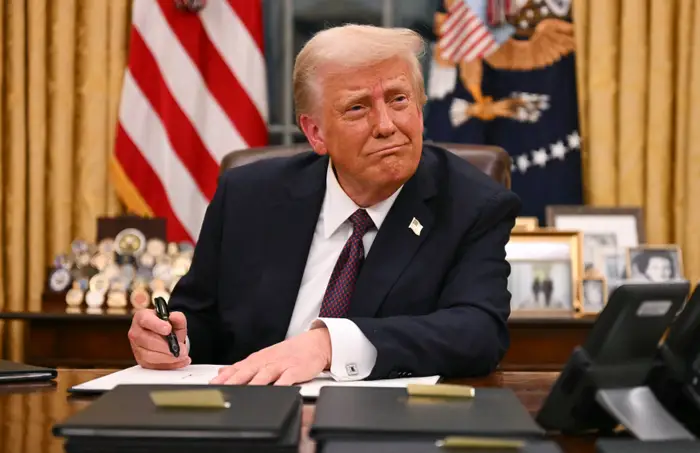
President Donald Trump’s administration has allowed a sanctions waiver that permitted countries, including India, to buy Russian seaborne oil to lapse after a temporary extension intended to ease global oil shortages and rising prices.
U.S. Treasury Secretary Scott Bessent had previously said he would not renew the general license allowing the purchase of Russian oil stored on tankers, but as of early afternoon Washington time on Saturday, no renewal notice had been posted on the Treasury website. A Treasury spokesperson declined further comment.
Though two top Democratic U.S. senators, Jeanne Shaheen and Elizabeth Warren, on Friday urged the Trump administration not to renew the waiver, arguing that it was providing revenue to Russia to assist its war in Ukraine, there was no evidence that it was bringing down fuel costs for American consumers.
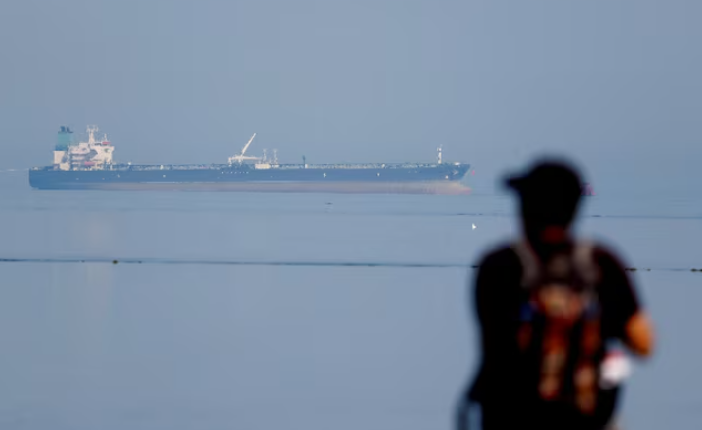
The previous extension was part of the Trump administration’s effort to control global energy prices, which had shot higher during the Iran war, including loans from the Strategic Petroleum Reserve and a temporary waiver of a shipping rule known as the Jones Act.
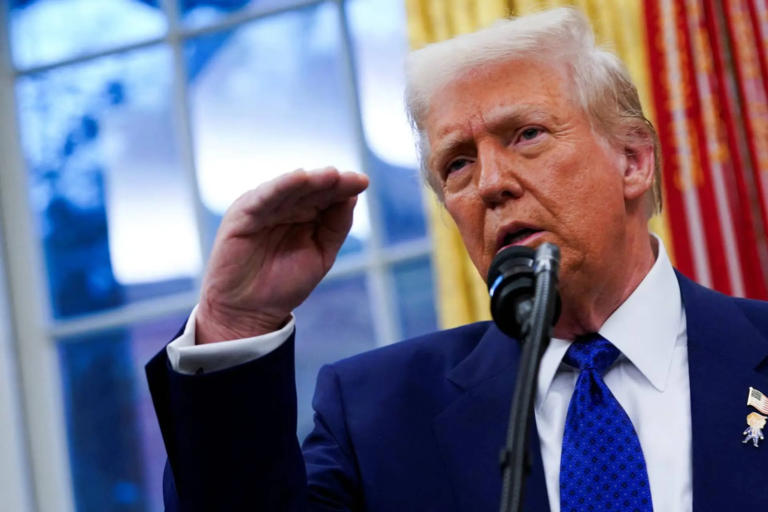
Additionally, the US President has said that he supported pausing the 18.4-cent-a-gallon federal tax on gasoline. The action has done little to calm U.S. gasoline prices, which are currently at about $4.50 a gallon, the highest since 2022. Both domestic and international oil prices have floated around or above $100 per barrel since the war began on February 28.
Trump told reporters on Friday, returning from Beijing, that he had discussed with Chinese President Xi Jinping possibly lifting sanctions on Chinese companies that buy Iranian oil and will make a decision soon.
India remains the largest buyer of Russian seaborne crude, with its purchases reaching near-record levels in April and May after earlier sanctions waivers.