Trending
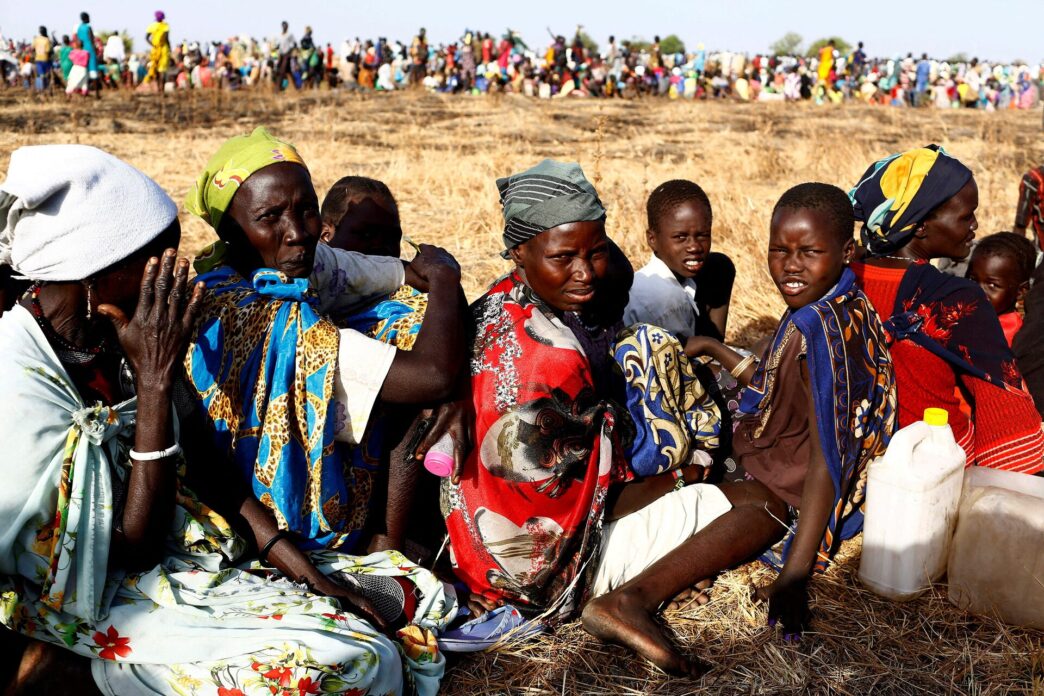
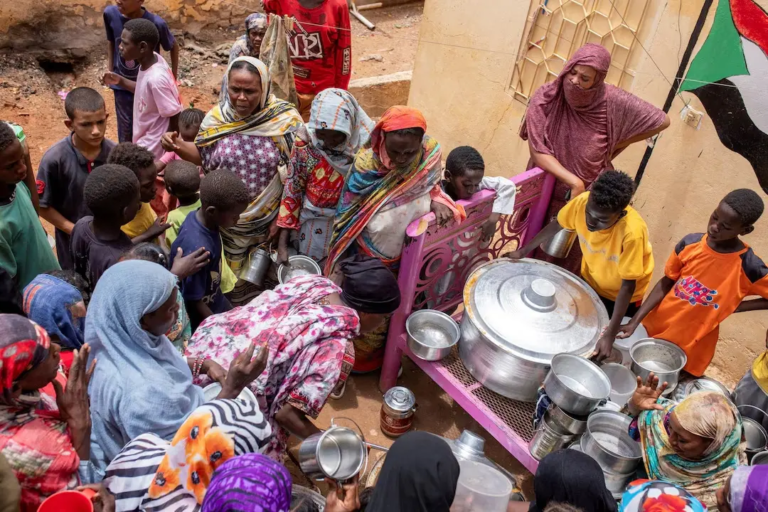
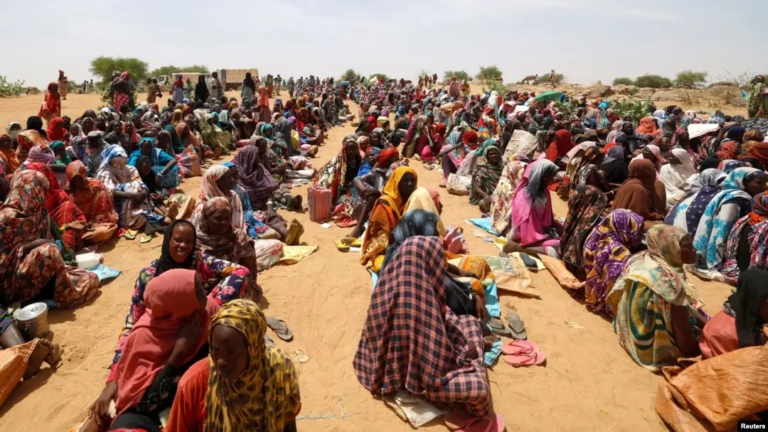
The United Nations (UN) warned on Friday that more than seven million people in conflict-torn South Sudan, roughly half the country’s population, urgently need food aid.
The UN’s World Food Programme (WFP) denounced the alarming crisis in the young nation, stating that the organisation faces a tight race against time to scale up its humanitarian response.
Mutinta Chimuka, the WFP’s country director for South Sudan, labelled the situation critical and demanded immediate international attention to save desperate lives.
Read More : South Sudan Violence Leaves 72 Dead
This severe warning follows comments from UN humanitarian aid chief Tom Fletcher, who recently cautioned that the East African country risks slipping into full-scale famine and collapse.
South Sudan has remained mired in extreme poverty, corruption, and insecurity since gaining independence in 2011.

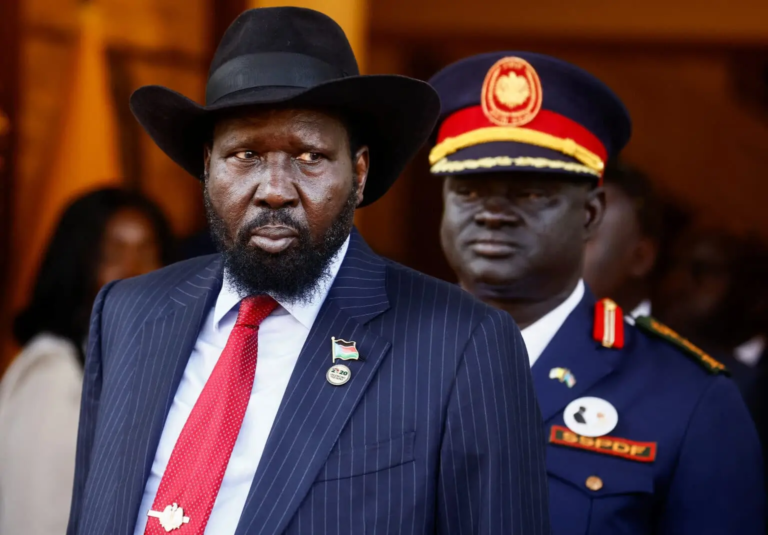
A fragile 2018 power-sharing deal between President Salva Kiir and his rival Riek Machar continues to unravel, and recent clashes have pushed the nation back to the brink of all-out civil war.
The WFP has targeted its emergency response toward Jonglei state, a major hotspot of recent fighting where hundreds of thousands face catastrophic hunger.
Over 12,000 residents in this region currently suffer from the most severe phase of food insecurity, and health officials report a sharp rise in malnutrition among breastfeeding mothers and children under five.
While the WFP has reached 60,000 people and treated 3,000 children for acute malnutrition in the town of Akobo over the past three weeks, mounting logistical hurdles threaten to stall this progress.
Insecurity and the looming rainy season severely challenge aid deliveries, as heavy rains routinely render rural roads impassable.
This week, a 33-truck aid convoy spent two weeks navigating a route that normally takes three days, prompting the WFP to rely on expensive airdrops and flights.
The agency stated that it urgently needs $266 million to sustain its operations.
Without these immediate resources, the WFP warns it must take drastic measures, including cutting ration sizes and completely halting aid to many vulnerable communities.