Trending

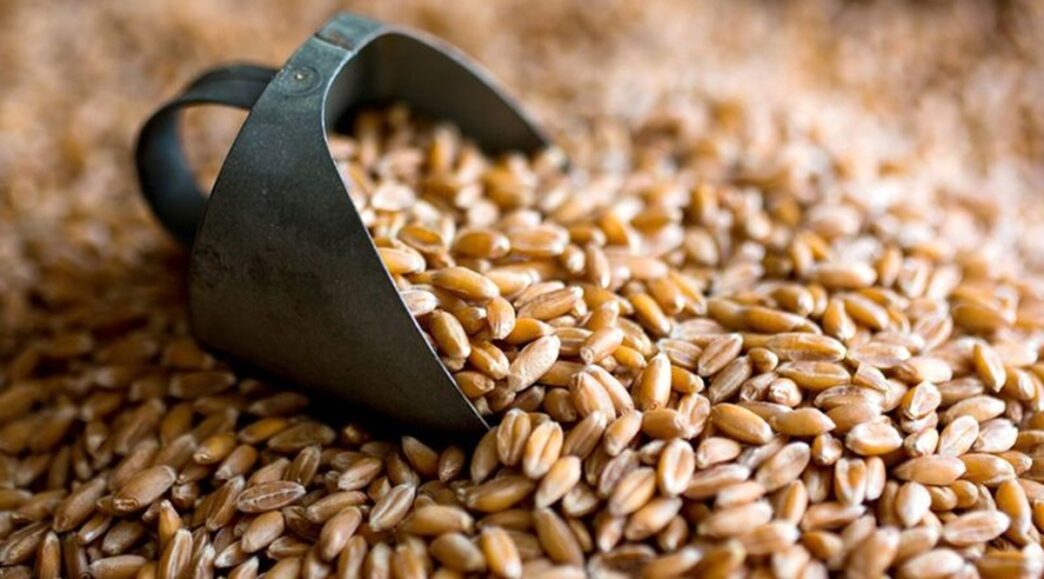
Australia’s wheat production is expected to decline sharply this season, according to a government report released on Tuesday. The report attributed the projected drop to dry weather and rising fuel and fertiliser costs, which the ongoing conflict in the Middle East has worsened.
The agriculture department’s quarterly assessment estimated that wheat output in the country would decline by about 26 per cent from last year to 26.7 million tonnes.
As one of the world’s major wheat exporters, Australia grows most of its wheat during the winter season in the southern hemisphere, with the bulk of production shipped to markets in Asia and the Middle East.
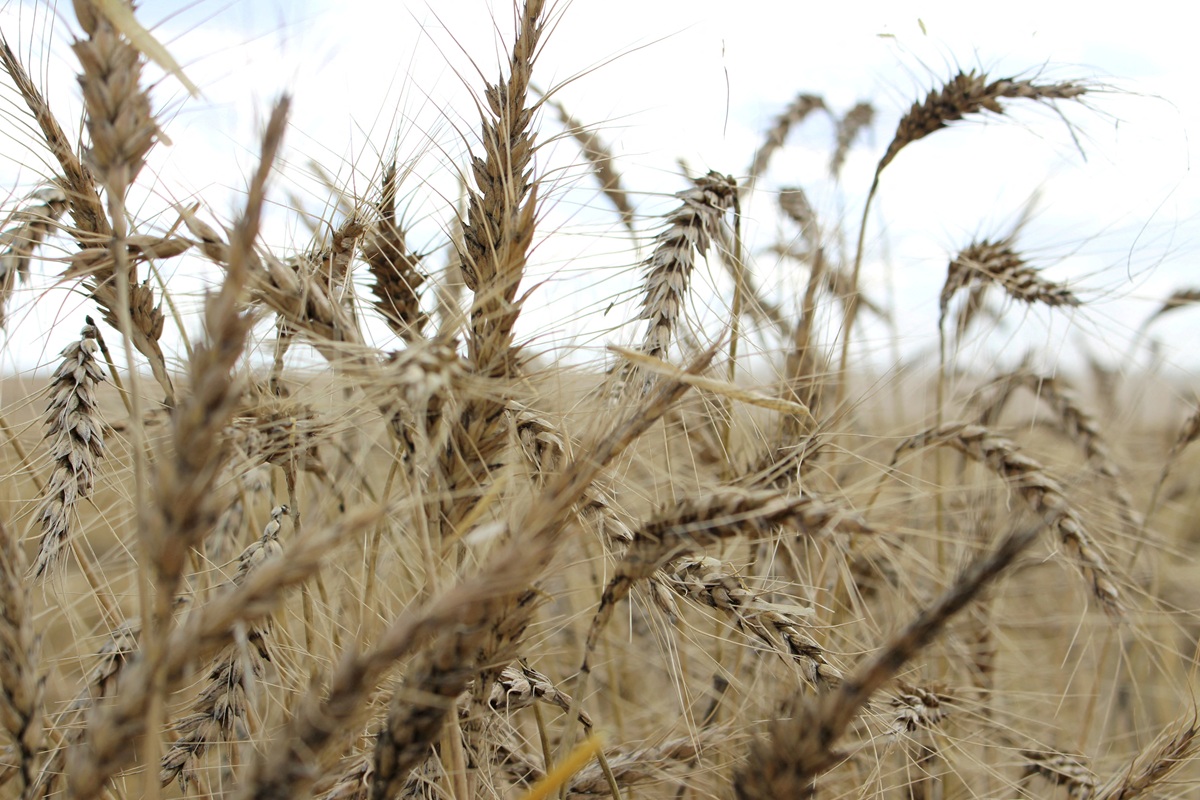
The report said the forecast harvest is about 23 per cent below the five-year average and 8 per cent below the 10-year average, adding that farmers are expected to reduce wheat planting areas by around 12 per cent due to lower profitability compared with other crops and “very dry” conditions in northern regions.
It further noted that winter crop production across the country has been affected by disruptions in global supplies of fuel and fertilisers. It warned that if the Middle East conflict continues, elevated input costs could persist and weigh further on production.
“If the Middle East conflict continues, the cost of inputs is likely to remain elevated for longer which could weigh on production,” the report warned.
The report also stated pest pressures in some regions, noting rising mouse populations in parts of Western Australia and South Australia. It added that regulators had conditionally approved the use of stronger mouse bait, and that farmers were already deploying control measures to manage the outbreak.