Trending
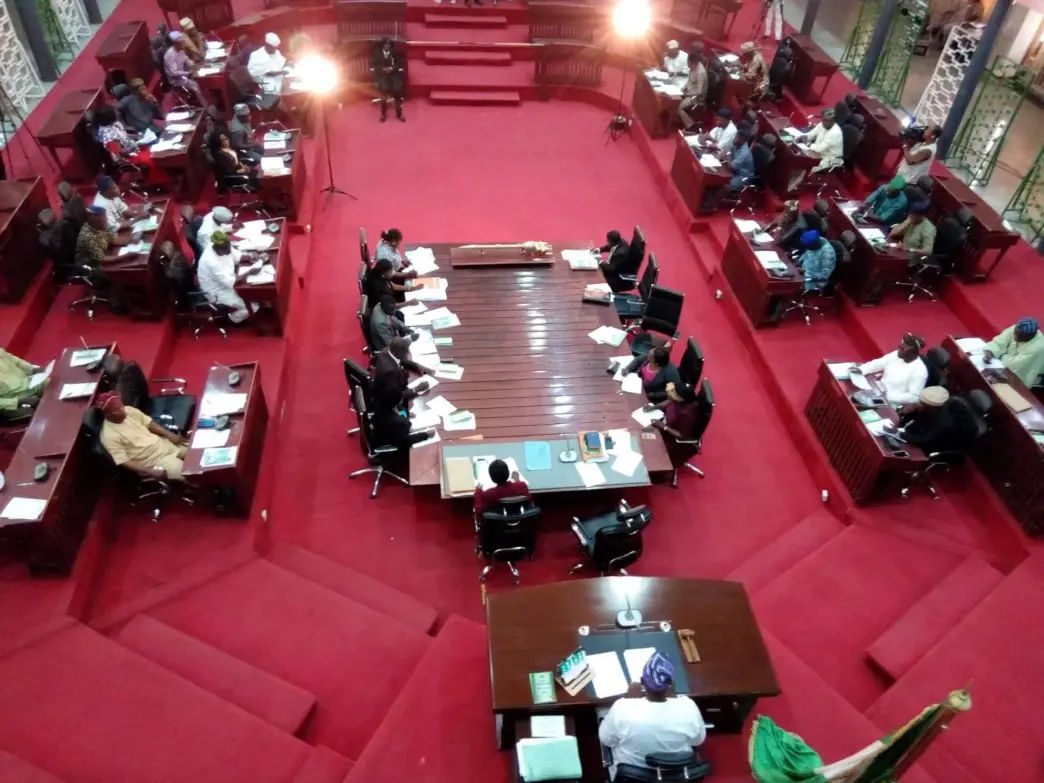
A divided response has followed the Oyo State House of Assembly Speaker’s call for the state government not to negotiate with bandits holding more than 40 schoolchildren and teachers captive, with some experts warning that paying ransom strengthens criminal networks while others argue that lives must come first.
The respondents expressed their opinions in separate interviews with the News Agency of Nigeria in Ibadan on Saturday.
Speaker Adebo Ogundoyin on Wednesday took a firm, non-negotiable stance against the bandits, calling for stronger rescue operations.
Ogundoyin warned that negotiations could embolden criminal elements, encourage further attacks, send the wrong signal and potentially strengthen criminal networks in the state.
Ogundoyin noted the frustration, anxiety and impatience of families whose loved ones remain in captivity but called for continued support of rescue efforts by security agencies and the state government.
Oluwatobi Fatoki, a lawyer and political analyst, warned that negotiating with kidnappers would strengthen criminal networks and undermine Nigeria’s sovereignty.
Fatoki, a former spokesperson of the Nigerian Bar Association’s Ibadan branch, described the bandits’ reported demands of N1 billion, two buses and the release of their colleagues in custody as “a slap on the face of the nation.”
“It is a slap on the face of the nation that is sovereign for kidnappers to be listing their demands to a government whose core constitutional responsibility is security and welfare of citizens,” Fatoki said.
Paying ransom, he claimed, leads to more victims.
“When you negotiate with kidnappers and heed their call, you allow them to do more. All the money they get through this crime, they reinvest into it. That is not the solution,” he stated.
Fatoki called for a return to indigenous security practices, saying traditional methods have proven effective in communities.
“Nigeria is a secular state with Christians, Muslims and traditionalists; and originally, we are rooted in traditional practice. We have seen different traditional means of arresting armed robbers. Recently in Ondo State, some people, likely bandits, were arrested through traditional means; they slept off with their ammunition,” he noted.

But Prof. Olawale Albert of the Peace and Strategic Studies department at the University of Ibadan said negotiations should not be ruled out, particularly when lives are at stake.
Albert said the immediate priority should be the safe return of the abducted students and teachers, noting that a purely force-based approach could result in casualties.
“The first thing for us to do now is to get those children into safety, and you cannot get them into safety using kinetic methods, because there may be very expensive collateral damage,” he said.
“When the children and their teachers are out, then other options can be explored in dealing with the kidnappers.”
The Oyo State Secretary of the Labour Party, Fatai Ojetunde, described the Speaker’s position as one probably influenced by personal distance from the situation.
According to Ojetunde, families of the victims would naturally support every legitimate effort, including negotiations, to secure the release of their loved ones.
“Nigerians generally are plagued with selfish interests, and people only act when issues concern them,” he said.
“Families of the victims would want everything done for the rescue of their loved ones, including negotiation.”
Ojetunde, however, noted that the ransom reportedly demanded by the kidnappers appeared excessive and might be difficult for any state government to meet.
The victims, including children as young as two years old, have spent more than three weeks in captivity since the May 15 attack on three schools in Oriire Local Government Area near Ogbomoso. One teacher has died in captivity.