Trending

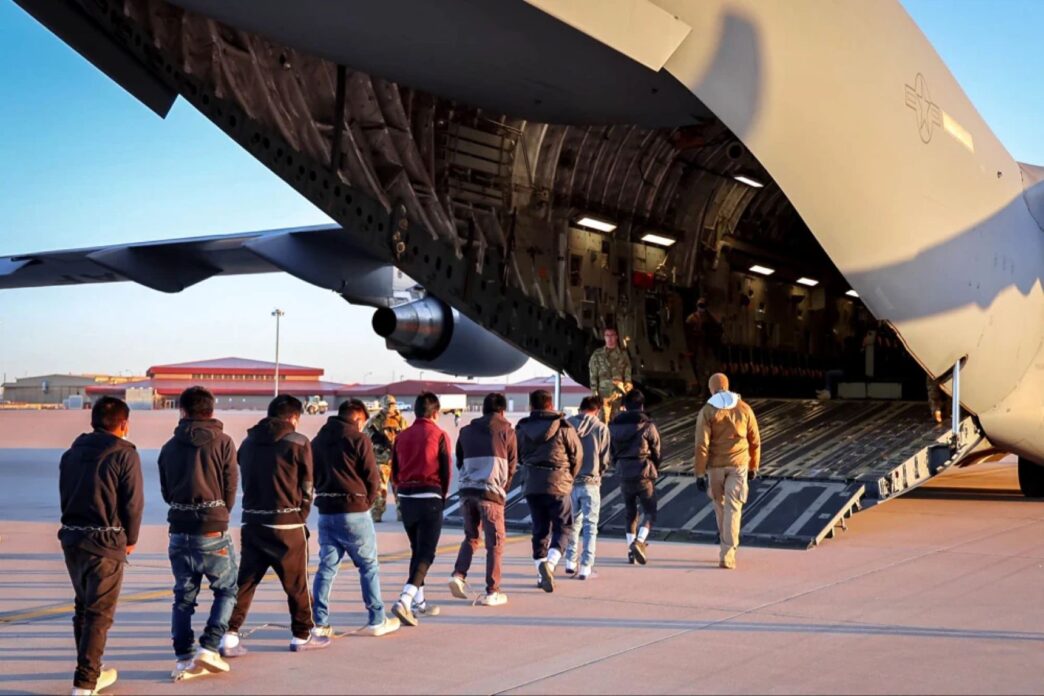
A United States deportation flight carrying nationals from Iran, Afghanistan, Turkey, and Georgia was headed to the Central African Republic (CAR) on Friday, according to a flight tracker and immigration lawyers familiar with the case.
The operation marks the first reported deportation agreement between Washington and Bangui.
The flight departed Alexandria, Louisiana, on Thursday evening and was scheduled to stop in Ghana, itself a hub for so-called “third-country” deportations, according to the ICE Flight Monitor, which is affiliated with the non-profit Human Rights First.
It remains unclear whether all passengers will continue to CAR or be removed in Ghana, said US immigration attorney Alma David.
“The folks headed to CAR are mainly withholding grantees from a variety of countries, including Iran, Afghanistan, Turkey, Georgia,” she told AFP.
Such deportations have become a central feature of US President Donald Trump’s immigration crackdown, even as legal challenges continue both domestically and internationally.

Trump has described Iran, currently at odds with the United States, as a “terrorist regime,” yet the administration is moving forward with deportations, including at least two Iranian women, according to The New York Times.
The US State Department currently advises against all travel to CAR due to violence. While peacekeeping forces, Rwandan troops, and Russian mercenaries from the Wagner group have bolstered security, armed groups and anti-government fighters remain active across the country.
Deportees with legal protections, including “withholding of removal” status, are being sent to a nation where risks persist, raising concerns among human rights advocates.
Deportees and lawyers have previously described harsh treatment in African transit countries such as Ghana, Eswatini, and Equatorial Guinea. The fate of those arriving in CAR remains unknown, as Central African authorities have not responded to requests for comment.
The move underscores an expansion in the US approach to deportation: targeting individuals with legal protections and sending them to third countries, even when courts have recognised potential danger in their home nations.