Trending
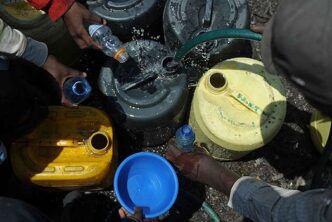
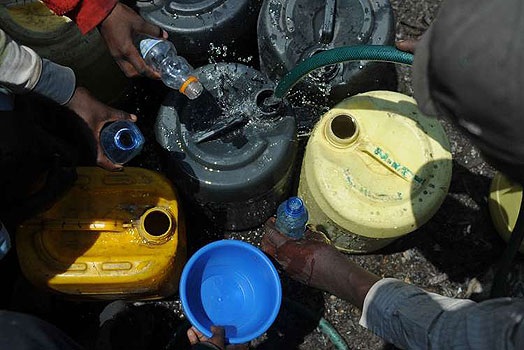
South African President Cyril Ramaphosa has said nearly half of all water pumped across the country is lost through leaks, theft or failing infrastructure, as he unveiled a National Water Action Plan to tackle the worsening water supply crisis.
“For too many South Africans, turning on a tap has become an act of uncertainty,” Ramaphosa said in a statement announcing the plan, which followed a meeting of the National Water Crisis Committee (WATERCOM) at the Union Buildings in Pretoria on Thursday.
“In too many cities, towns and rural areas, water disruptions have become a fact of life. Families cannot cook or clean. Children cannot wash. Shops and businesses have to close. We are determined to change that.”
Read More : Steps to Check Your Name on INEC Voters Register
The President said the crisis was not mainly due to a shortage of rain or dams, but because municipal water systems were not being properly managed and financed.
Ramaphosa also noted that “on average, close to half of all water treated and pumped is lost before it reaches paying customers.”
“It leaks out of broken pipes, is stolen or is simply never billed for. That is water that has been treated at great cost and then lost, along with the revenue that should have paid for maintenance,” he said.
The scale of losses across metropolitan municipalities is severe. South Africa’s eight largest cities are losing an average of 34% of all water purchased before it can be billed, with some metros approaching 50% losses due to leaks, theft and inefficiencies.
The National Water Action Plan identifies the root cause of the crisis as an “inappropriate delivery model for water services,” with water revenues often diverted to other municipal functions.
“Too many municipalities, communities and businesses can no longer rely on safe, reliable water services – threatening public health, economic activity, and social stability,” the presidency said.
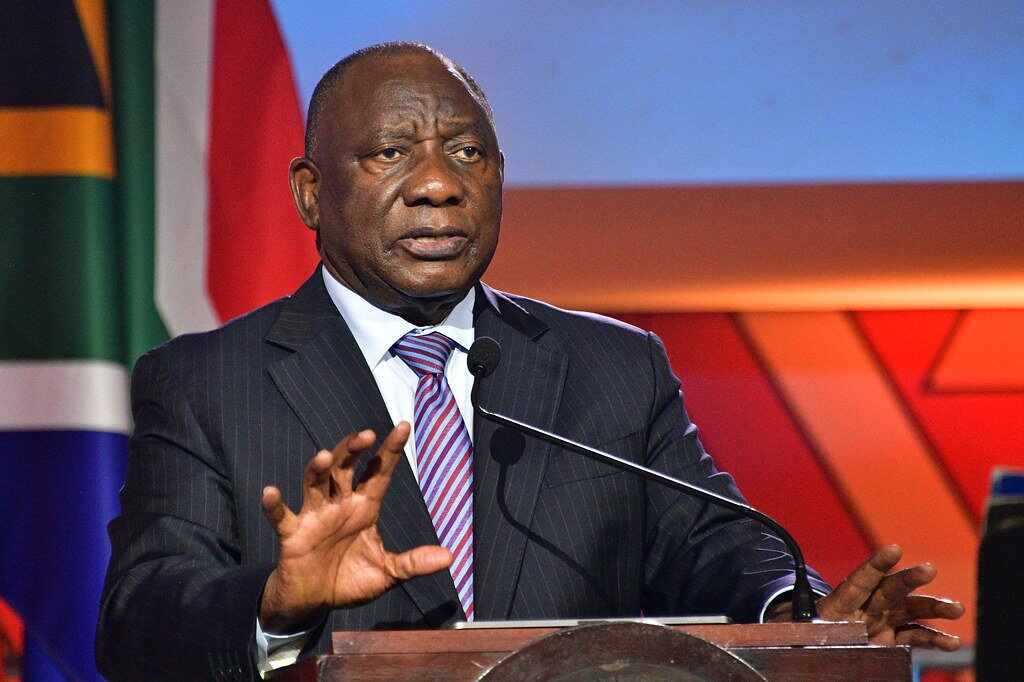
Ramaphosa said the government would intervene in failing municipalities.
“Where a municipality is failing, unwilling or unable to provide an acceptable service, government will intervene in accordance with the Constitution and the law to provide the required services to our people. Where necessary, another capable water utility will be appointed to run the service in the municipality’s place,” Ramaphosa said.
“The plan will also reform the way municipal water services are financed.”
Read More : Kano Assembly Confirms Six Commissioner Nominees
Through national grants, government is investing R24 billion a year in municipal water and sanitation, with approximately 800 projects underway nationwide, he announced.
“Larger projects are also moving ahead. To give a few examples: in the uMkhanyakude District Municipality in KwaZulu-Natal, R1.3 billion of grant-funded projects will improve the reliability of water services to over 130,000 households.
“In Thembisile Hani Local Municipality in Mpumalanga, a R2 billion project will provide access to 65 000 unserved households. This project is 80% complete. In Limpopo, mining companies are funding half of a R26 billion pipeline project that will reach 180 000 households.”