Trending
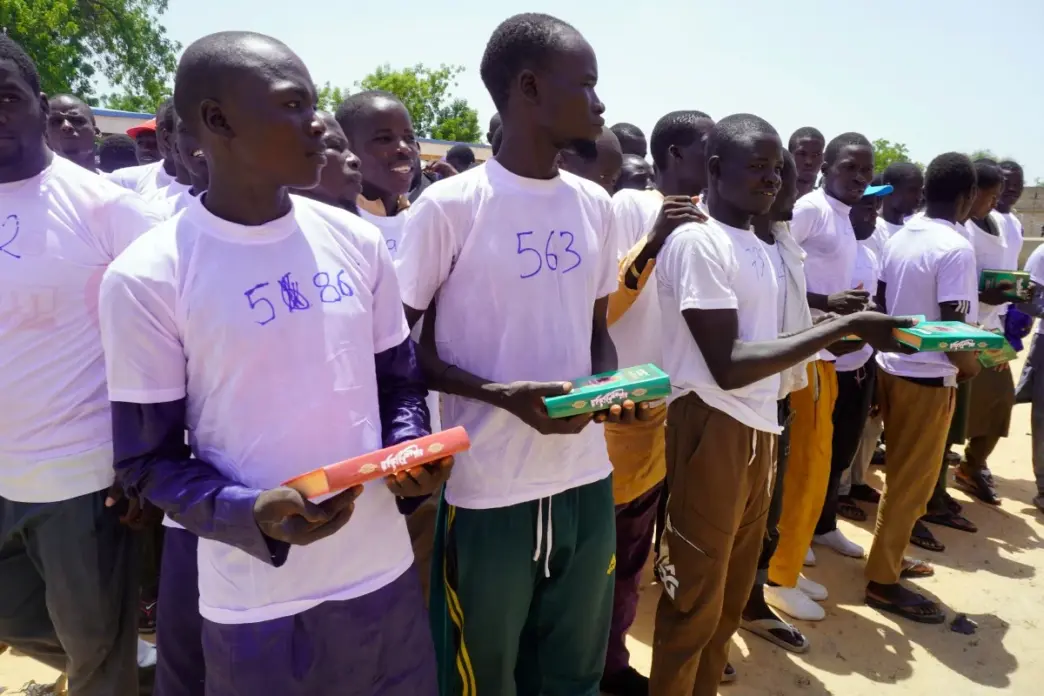
Over 700 former terrorists from numerous armed groups have completed a rehabilitation programme in Borno State, northern Nigeria, as authorities intensify non-military efforts to counter insurgency in the region.
One of the beneficiaries, 32-year-old Ibrahim Mohammed, said his decision to abandon the armed group came after receiving a message from his mother.
“I received a video message from my mother. She pleaded with me to leave the group, lay down my arms, and return home,” Mohammed told AFP on Friday at a ceremony marking the end of the rehabilitation programme in Maiduguri, the Borno State capital and epicentre of the 17-year-long insurgency.
Read More : Tinubu Hosts Otedola at Private Paris Dinner
He said the message became a turning point in his life.
“It touched me deeply. I realised that my family still cared about me and wanted me back. That was when I decided to leave the bush and surrender.”
The rehabilitation programme is part of the Nigerian government’s non-military strategy to counter Boko Haram and its splinter groups.
Participants, including Mohammed and other former fighters, were dressed in white T-shirts and handed copies of the Quran, on which they swore an oath not to rejoin jihadist groups.
They also underwent months of vocational training in skills such as car repair and tailoring.
Some participants were former commanders. One of them, Bulama Mukhtar, said he once sanctioned the killing of his own son after he refused to join an attack.
“Because he rejected the movement and its mission, I gave permission for him to be killed,” Mukhtar said.
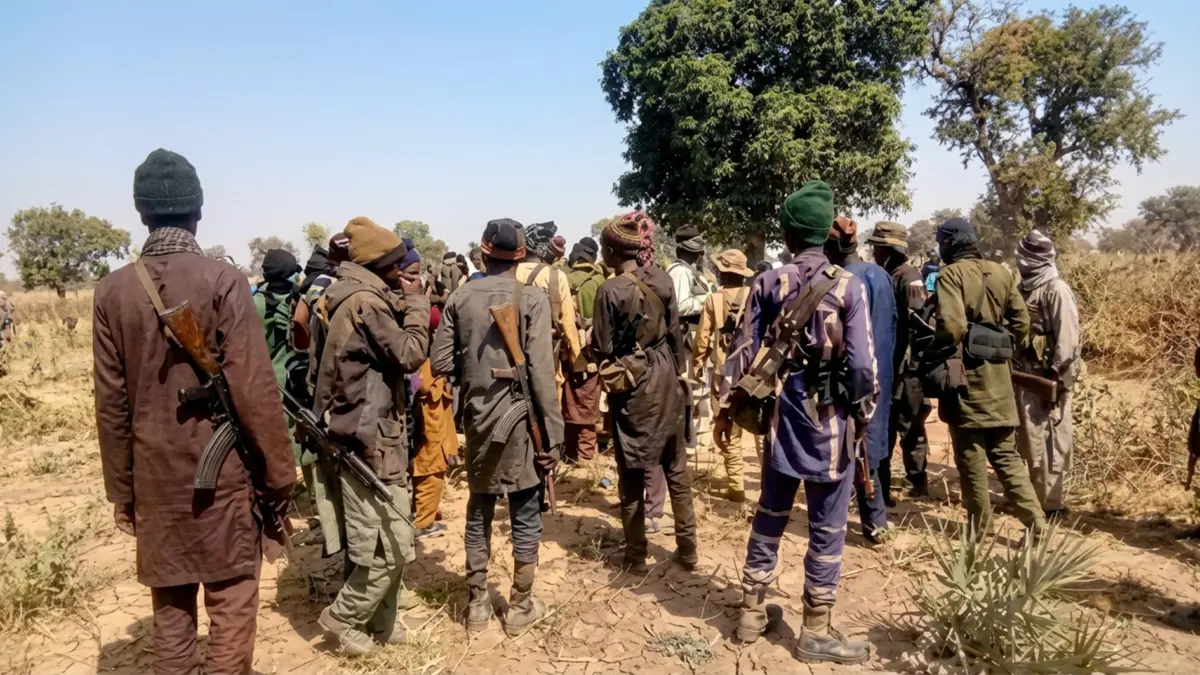
According to AFP, women and children were also part of the programme, which authorities say is aimed at promoting reintegration and self-reliance.
Sabi Abdullahi Ishaq, security adviser to the Borno State governor, said at least 9,680 participants have undergone the programme since 2021.
‘Not genuine religion’
Nigeria has battled a violent insurgency for more than a decade, with armed groups such as Boko Haram and its rival Islamic State West Africa Province (ISWAP) responsible for thousands of deaths and widespread displacement.
Boko Haram, which translates as “Western education is forbidden,” began its insurgency in 2009 with the aim of establishing an Islamic caliphate in Nigeria’s northeast.
Another former fighter, 36-year-old Mustapha Kaka, said he came to regret his involvement in the violence.
“It was not what we started in the name of Islam,” he said.
‘Chance to rebuild’
Idris Abdulkabir, 44, who fought with ISWAP, said he spent years in the bush while raising a family.
“I got married and had 11 children while living in the bush,” he said, adding that life in the forests was harsh and unstable.
He noted that many fighters lived under constant pressure, often moving and surviving on little rest.
For Ibrahim Mohammed, the programme represents a fresh start.
“The rehabilitation programme is a chance to rebuild our lives,” he said.
Ya Fanna Isa, 25, who spent a decade in Boko Haram captivity after being abducted from her village, also completed the programme. She married a fighter and had four children, two of whom remain with their father.
“I want to start over and live in peace,” she said. “My hope is that my children will have opportunities that I never had.”
However, the programme has drawn some criticism, with concerns that it may “affect their promise of stabilisation and durable peace,” particularly regarding perceptions of accountability for serious crimes.