Trending

Buying property in Lagos has become significantly more expensive after the Lagos State Government implemented its 2026 Fair Market Value (FMV) framework, popularly known as the Blue Book.
The policy, which took effect on May 1, 2026, updates the government’s official valuation of land across the state.
While the percentage charged for statutory fees has not changed, the value of the land on which those fees are calculated has increased sharply by between 300% and 525% in many locations.
The result is simple: anyone buying, selling, transferring or processing land documents in Lagos will now pay significantly more in government charges.
What Is The Blue Book?
The Blue Book is Lagos State’s official Fair Market Value (FMV) database.
It serves as the benchmark for determining the value of land whenever official property transactions are processed.
Agencies such as the Lagos State Lands Bureau, the New Towns Development Authority, and the Lagos State Probate Registry use the valuation.
The document is updated every five years.
It was first introduced in 2015, revised in 2021, and the latest edition became effective on May 1, 2026, following stakeholder consultations held on April 28, 2026, in Alausa.
Which Fees Will Increase?
The review affects several statutory property charges, including:
- Governor’s Consent
- Stamp Duty
- Registration Fee
- Capital Contribution Levy
- Charting Fee
- Administrative and endorsement fees
Among these, Governor’s Consent remains one of the most important because Nigerian law requires it before ownership of land can legally be transferred.
Without the Governor’s Consent, transactions involving land sales, mortgages or long-term leases are not fully recognised under the law.

Why Property Buyers Will Pay More
The government has not increased the percentage rates for these statutory fees.
Instead, it has increased the official market value assigned to land.
For example, if a property previously carried an official valuation of ₦250 million and is now valued at ₦1 billion, a fixed 2% Governor’s Consent Fee automatically rises from ₦5 million to ₦20 million.
The percentage remains unchanged, but the payable amount increases because it is calculated on a much higher valuation.
Industry experts estimate that transaction costs have risen by about 300% under the new framework.
How Much More Will Buyers Pay?
The impact varies depending on location.
Lekki Phase 1
Land previously valued at about ₦250 million is now officially worth between ₦800 million and ₦1.5 billion.
As a result, Governor’s Consent charges that previously ranged between ₦12 million and ₦18 million could now rise to between ₦40 million and ₦90 million.
Ikoyi
Land values have increased from about ₦500 million to between ₦2 billion and ₦4 billion, significantly raising statutory charges.
Banana Island
For premium waterfront properties valued at around ₦10 billion, buyers may now spend between ₦700 million and ₦1 billion on title perfection alone.
Why Lagos Says The Review Was Necessary
The Lagos State Government insists the exercise is not primarily targeted at raising revenue.
Officials say many official land valuations had remained unchanged between 2005 and 2015, despite rapid growth in property prices across the state.
According to the Lagos State Lands Bureau, inflation, naira depreciation, growing demand for property and increased investment from Nigerians in the diaspora have widened the gap between official government valuations and actual market prices.
The government says updating the Blue Book will:
- Align official property values with current market realities.
- Improve transparency in land administration.
- Create more accurate and consistent property records.
- Modernise the state’s land valuation system.
What It Means For Homebuyers
The immediate effect will be higher closing costs for anyone purchasing property.
Before the review, buyers typically spent between 8% and 15% of a property’s value on transaction costs, with government fees accounting for about 4% to 8% of that amount.
With higher official valuations, those costs are expected to rise substantially.
For many buyers, this means budgeting millions of naira more before taking ownership of land or property.
Impact On Developers And Investors
The changes are also expected to affect developers.
Higher statutory fees increase project costs at a time when developers are already dealing with expensive building materials, high borrowing costs and inflation.
Industry analysts say developers may pass these additional expenses on to buyers, potentially pushing property prices even higher.
Real estate investors could also become more selective, especially in premium locations where transaction costs have increased the most.
What It Means For The Property Market
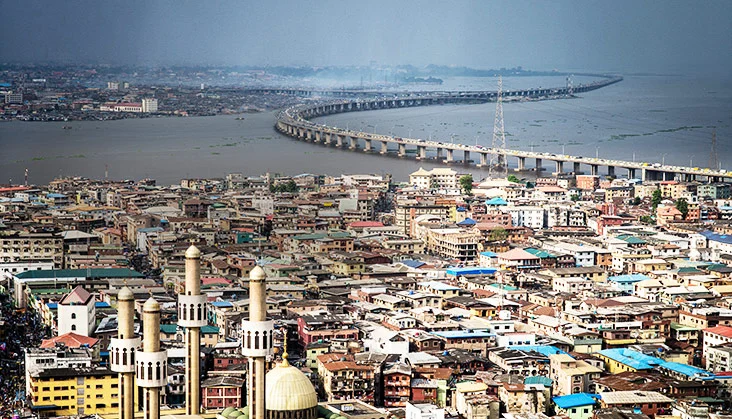
The implementation of the 2026 Blue Book marks one of the biggest changes to Lagos’ property valuation system in more than a decade.
Supporters argue the update creates a more transparent and realistic land administration system that reflects the true value of property across the state.
However, critics warn that the higher costs could make home ownership even less affordable in a city already regarded as one of Africa’s most expensive real estate markets.
As Lagos continues to expand as Nigeria’s commercial hub, the Blue Book is expected to reshape how land transactions are priced, processed and financed for years to come.