Trending
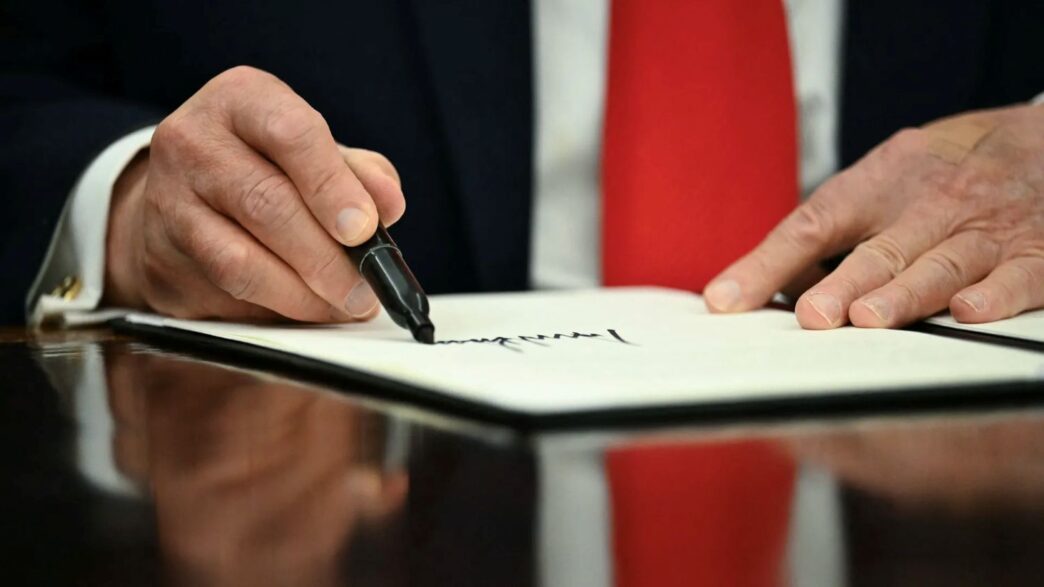
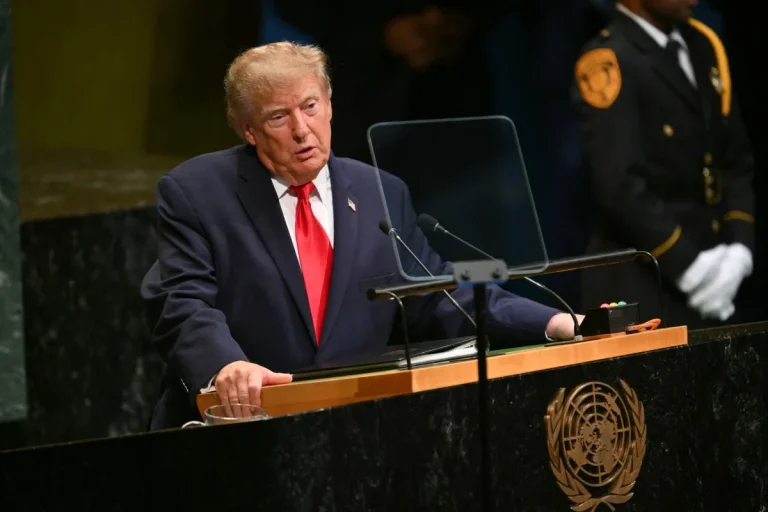
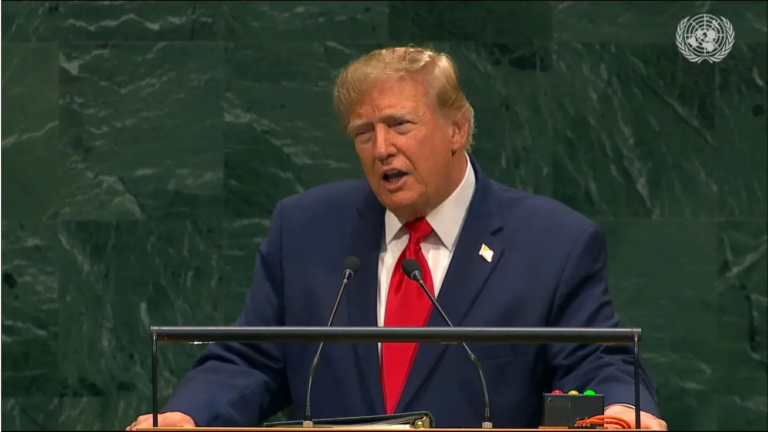
US President Donald Trump and Iranian officials have signed a deal aimed at ending the recent Middle East conflict, with Tehran agreeing to scale back its enriched uranium programme in exchange for sweeping economic relief.
Trump signed a memorandum of understanding during a dinner with French President Emmanuel Macron at the Palace of Versailles following a G7 summit, according to a US official speaking to AFP.
“Just signed it,” Trump told reporters as he exited the venue.
Iranian Foreign Ministry spokesman Esmaeil Baqaei, cited by the state news agency IRNA, confirmed that the agreement “was finalised with the signatures of the presidents.”
“Now it is time to test the implementation of the agreement,” he added,
The deal is intended to bring closure to a war that began on February 28, when the United States and Israel launched military operations that triggered Iranian missile and drone responses across the region, severely disrupting regional stability and shipping routes, including the Strait of Hormuz.
Under the agreement, Washington will immediately lift oil sanctions that have heavily constrained Iran’s economy. A broader phase of economic assistance is also expected once a final nuclear agreement is reached, including the potential activation of a $300 billion reconstruction fund supported by regional partners.
A US official clarified that Washington would not directly contribute to the fund financially.
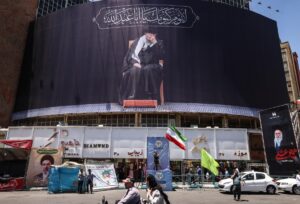
Iranian officials have framed the agreement as a diplomatic success. Mohammad Bagher Ghalibaf described it on state television as a “failure” for the United States, while Hezbollah leader Naim Qassem called it a “great victory” for Iran, particularly due to provisions covering Lebanon.
China has also weighed in, urging all parties to ensure “genuinely implement” their commitments.
Despite the agreement, tensions remain. US Senator Bill Cassidy criticised the deal, arguing that Iran’s nuclear ambitions remain unchecked and warning that sanctions relief and halted strikes could prove costly for US foreign policy.
The accord is temporary and is designed to open a two-month negotiation window focused on longer-term nuclear oversight and regional stability.