Trending
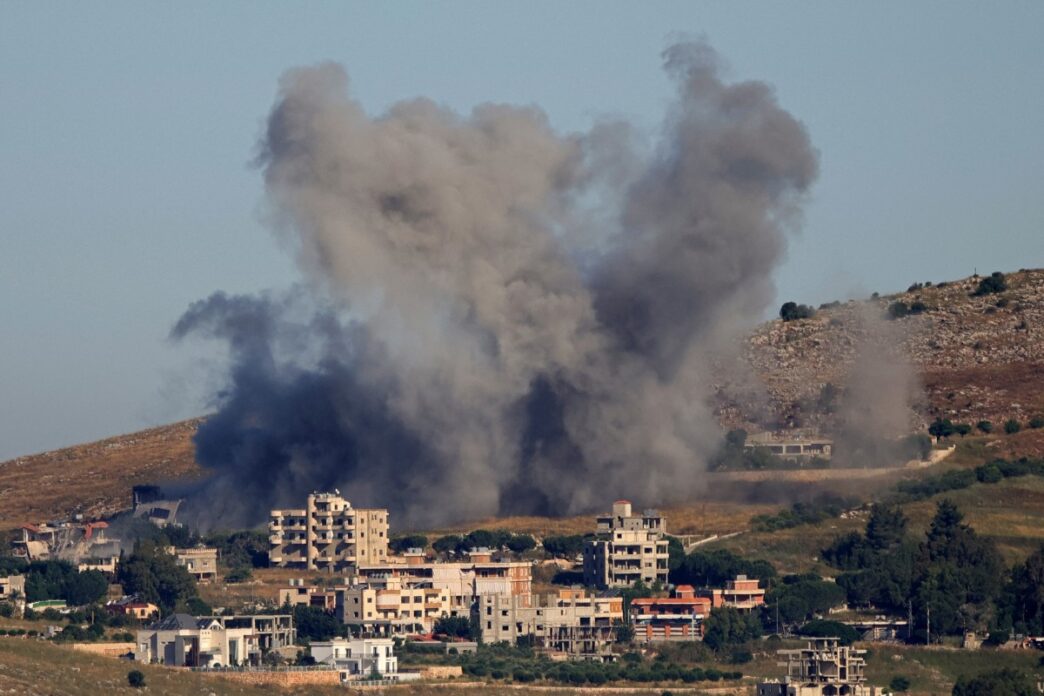
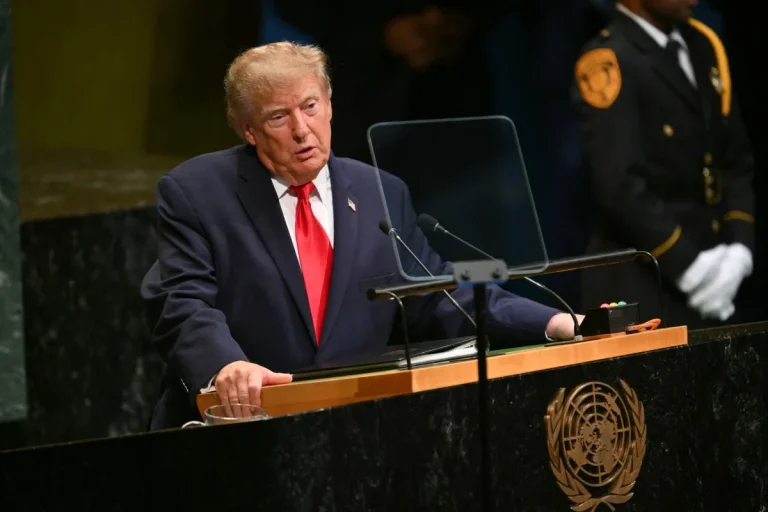
The United States and Iran have announced a deal to end the Middle East war on all fronts and reopen the vital Strait of Hormuz, bringing about relief on Monday after months of deadly violence and global economic chaos, officials said.
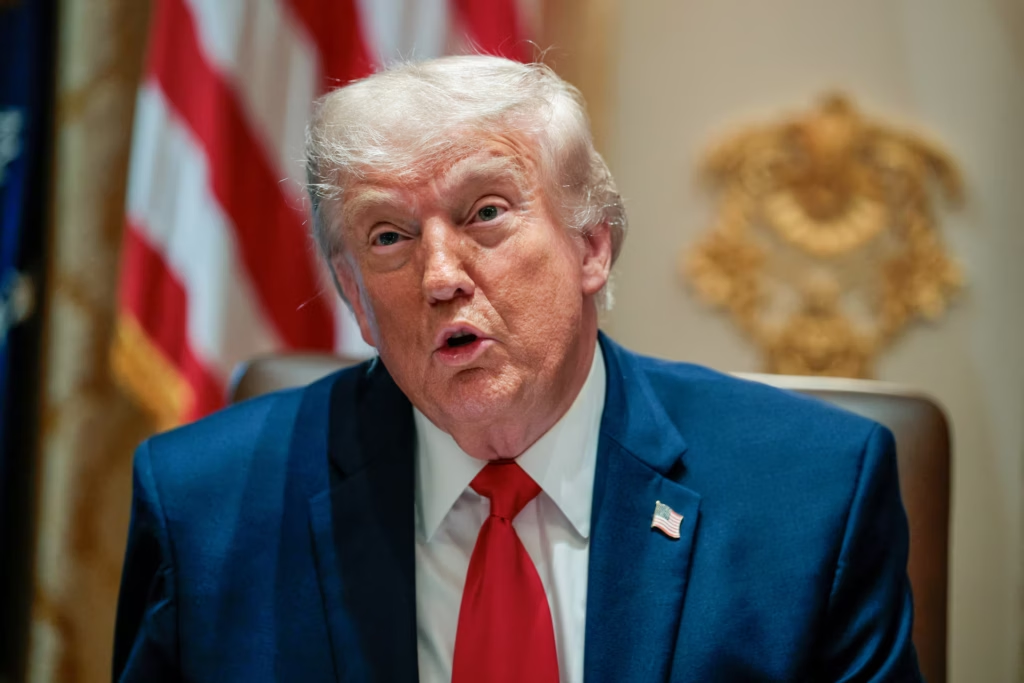
US President Donald Trump said Hormuz, a key conduit for global oil supplies that Iran has blockaded since the start of the war, would reopen.
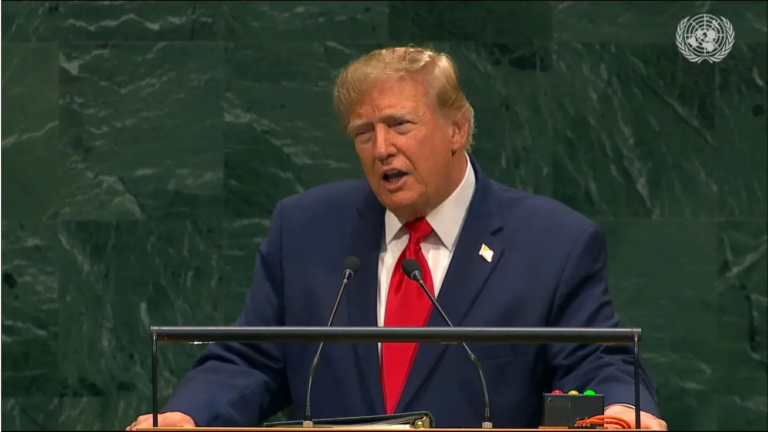
“The Deal with the Islamic Republic of Iran is now complete,” Trump said Sunday. “Ships of the World, start your engines. Let the oil flow!”
Read More : Makinde Rejects Wike’s N50 Billion Airport Claim
The US and mediator Pakistan said the agreement was to be signed on Friday in Switzerland, with Saudi Arabia and other regional powers hailing the deal.
Soon after Trump’s announcement, Iran’s Deputy Foreign Minister Kazem Gharibabadi, said in televised comments that the deal put an “immediate end” to the war and that the two sides would hold talks within two months to seek a “final agreement.”
Iran’s military hailed the agreement as a victory, claiming it had “humiliated” the US and Israel in the war that began on February 28 with a massive campaign of airstrikes.
Few details of the agreement were made public.
Iran’s Mehr news agency reported that the US would release $12 billion in frozen assets to Iran before the start of negotiations.
It quoted a 14-point “memorandum of understanding” between the two nations, which it said stipulated the release of $24 billion in frozen Iranian assets during a 60-day negotiation period beginning after the MoU is signed.
The Trump administration did not immediately comment on the details.
Credit: Reuters
In an interview with the New York Times on Sunday, Trump said the US was still negotiating whether Iran would suspend its enrichment for 20 years. He hinted that he might settle for a 15-year suspension but said he did not want to negotiate via the press.
A diplomat told AFP on Monday that the US and Iran are to hold indirect meetings in Doha ahead of the formal signing of the agreement.
Israel’s Defence Minister Israel Katz said Monday that Israeli forces would remain in Lebanon, Syria and Gaza indefinitely, despite the announcement that the deal would apply across all fronts, including in Lebanon.
“Prime Minister Benjamin Netanyahu and I are pursuing a clear policy under which the IDF will remain in the security zones in Lebanon, Syria and Gaza for an unlimited period of time, in order to protect the border and Israeli communities from there against jihadist elements,” Katz said.
Speaking on condition of anonymity, an official source told AFP that Lebanese authorities had not been informed of details of the agreement.
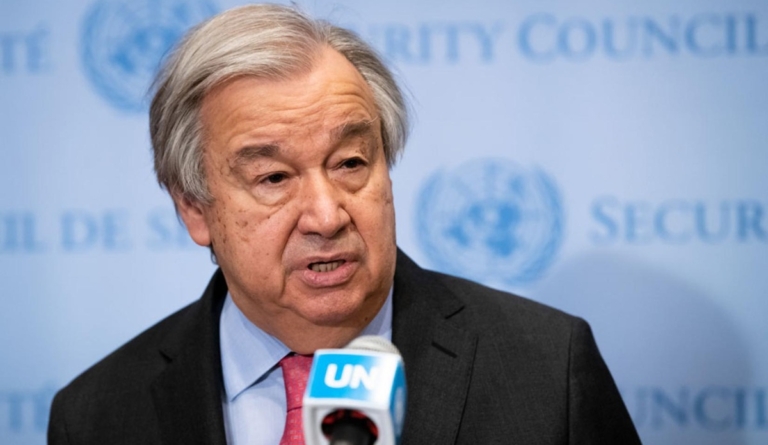
UN Secretary-General Antonio Guterres called the deal a “critical step” toward resolving the war.
I warmly congratulate the US & Iran for having reached a peace deal that provides for an immediate & permanent ceasefire, the reopening of the Strait of Hormuz, as well as a framework for further negotiations. This represents a critical step towards the peaceful settlement of the…
— António Guterres (@antonioguterres) June 14, 2026
Saudi Arabia, which Iran repeatedly targeted during the war, welcomed the deal, adding that a lasting agreement would be one that “takes into consideration the security interests of regional states.”
Egypt said the deal could be a “turning point” while Pakistan’s Prime Minister Shehbaz Sharif called it a “historic step towards peace.”
The United Kingdom, France, Germany and Italy said they were prepared to lift sanctions imposed on Iran and would work “with the US, Iran and regional partners to seize this moment.”
Oil prices plunged nearly five percent at market opening Monday, with West Texas Intermediate approaching $80 a barrel for the first time since early March.
US Vice President JD Vance told Fox News he planned to attend the signing of the deal in Geneva and that it was possible Trump himself could also go.