Trending
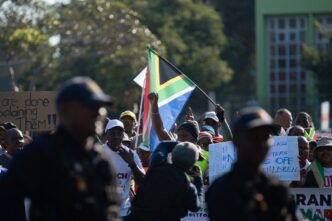
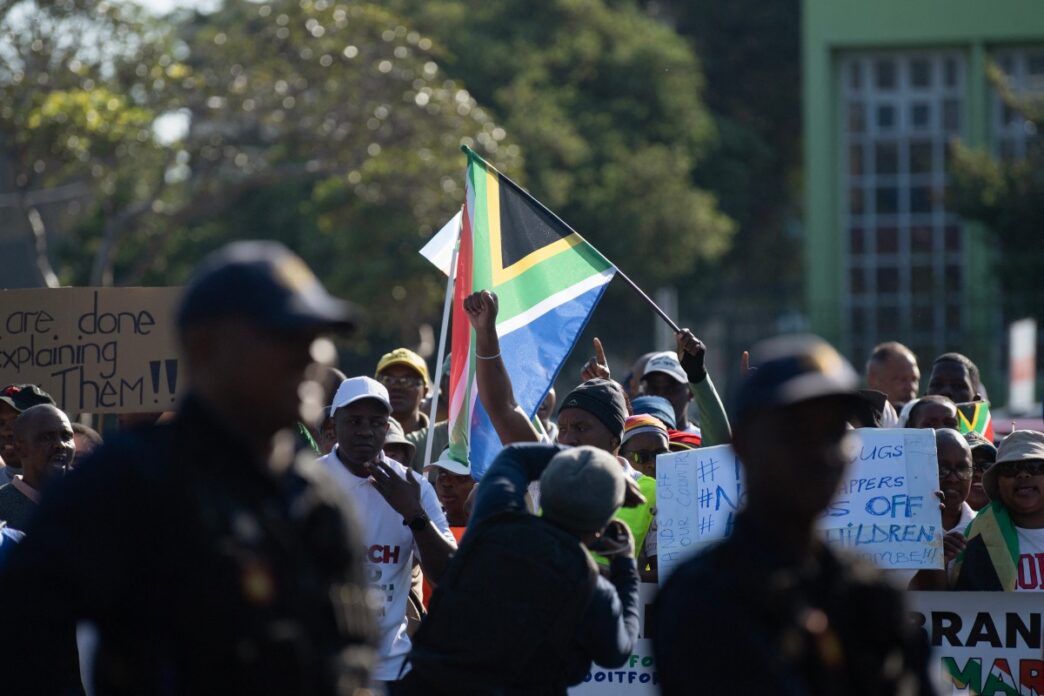
South African authorities have announced heightened security deployments across the country ahead of a June 30 deadline issued by fringe anti-illegal immigration groups demanding that undocumented migrants leave the country.
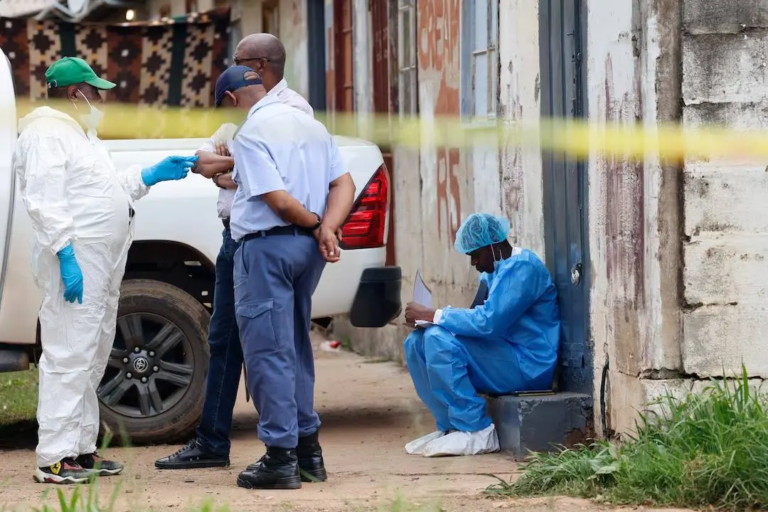
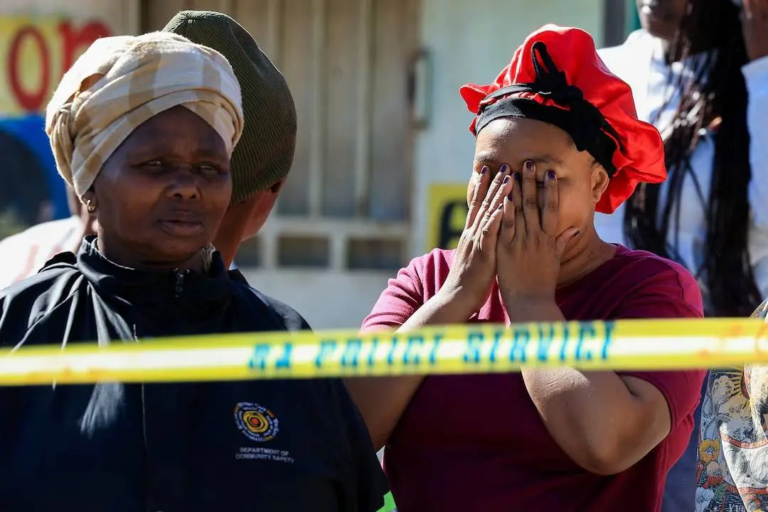
Law enforcement officials say the move is a precautionary response to rising tensions following weeks of intermittent xenophobic unrest, which has already left at least two people dead.
The groups behind the ultimatum have warned undocumented foreigners to exit the country or face unspecified consequences. However, officials have dismissed the demand as having no legal standing.
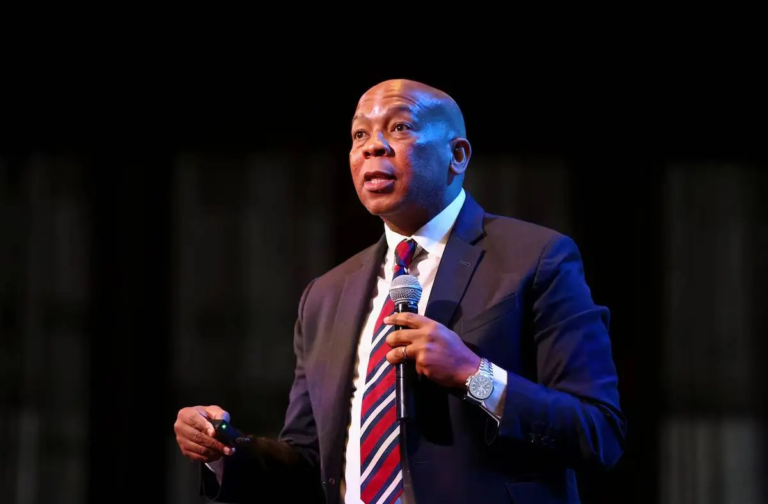
Acting Police Minister Firoz Cachalia said the South African Police Service (SAPS) has scaled up its operational posture nationwide.
“The South African Police Service has elevated its operational readiness across all provinces, with comprehensive deployment plans in place to protect communities, critical infrastructure and key public spaces,” he said.
Cachalia also underscored the constitutional right to peaceful protest, while drawing a clear line against violence.
“Criminality, intimidation, violence, the destruction of property and any attempt to undermine public safety will not be tolerated,” he added.
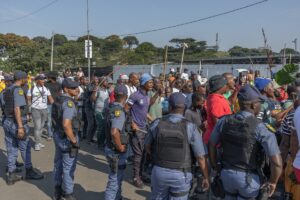
The defence establishment has also been placed on standby to support law enforcement if required. Defence Minister Angie Motshekga said the military’s role would be limited to securing strategic infrastructure.
“Indeed if, and I hope it is not going to reach that point, called upon by the police to support, we will, but basically ours is around the key points,” she said.
Read More : 43 Dead in South Africa Political Hits: Report
South Africa, one of Africa’s most industrialised economies and a long-standing destination for migrant labour, continues to grapple with high unemployment, exceeding 30 per cent. Analysts note that this economic strain has repeatedly intersected with anti-foreigner sentiment, often escalating into violence.
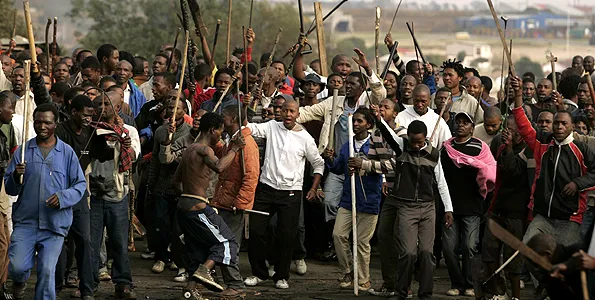
The country has a documented history of xenophobic outbreaks, including the 2008 riots in which 62 people were killed, and further waves in 2015, 2016, and 2019. The 2019 attacks in Johannesburg alone left at least 12 people dead, including both South African nationals and foreign migrants.
The latest tensions are unfolding in a politically sensitive period ahead of local government elections scheduled for November 4. Security concerns have also intensified following recent election-related violence during voter registration exercises, where multiple political killings were recorded across different provinces and parties.