Trending
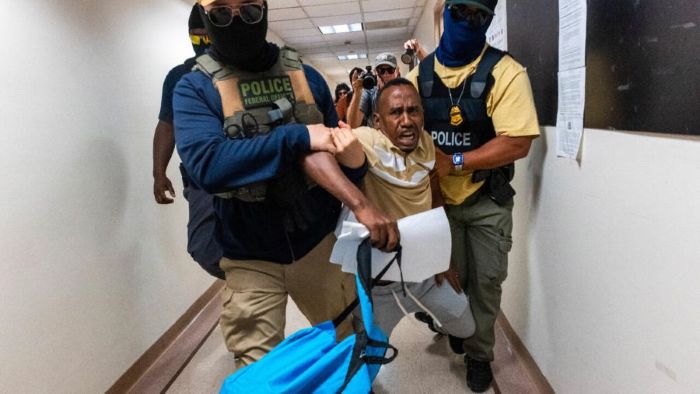
Lawyers have filed a lawsuit against Ghana before the Economic Community of West African States (ECOWAS) Community Court of Justice in Abuja, challenging the country’s role in accepting deportees under the United States’ third-country deportation arrangements.
The legal action, confirmed Tuesday by a coalition of lawyers and rights groups, was filed on behalf of individuals deported from the United States to Ghana after Washington was legally barred from sending them directly to their home countries. In some cases, US courts had ruled that a return to their countries of origin would expose them to torture or persecution.
As part of a broader immigration enforcement strategy, the US administration under President Donald Trump has expanded deportation categories to include individuals with existing legal protections. Where direct deportation is restricted, authorities have increasingly relied on “third-country” transfers, including sending affected individuals to Ghana.
From there, reports suggest some deportees were subsequently repatriated or transferred onward without proper documentation. According to previous reporting by AFP, some were “dumped in neighbouring Togo without documents.”
The lawsuit argues that Ghana’s actions amount to violations of domestic and regional legal obligations by “facilitating removals to unsafe countries,” according to the legal coalition behind the case. At least 60 individuals have been deported to Ghana since September, with 27 included as applicants in the ECOWAS case.
Oliver Barker-Vormawor, senior partner at Ghanaian law firm Merton & Everett LLP, stressed the principle at stake, stating: “No person should be returned to a place where they face persecution, torture or serious threats to their dignity and safety.”
The case is being pursued jointly by Merton & Everett LLP, Cornell Law School’s Transnational Disputes Clinic, and the Global Strategic Litigation Council.
Read More : Ghana Focuses On Rebuilding Reserves
The filing adds that many of those affected had previously obtained asylum or other legal protections in the United States. However, under the current interpretation of US policy, officials argue that restrictions apply only to direct returns to countries of origin, not to transfers through third states.
According to the lawyers, none of the 27 deportees named in the suit remains in Ghana.
“Many now remain in hiding in their home countries or have fled to third countries where they wait in limbo,” the coalition said.