Trending
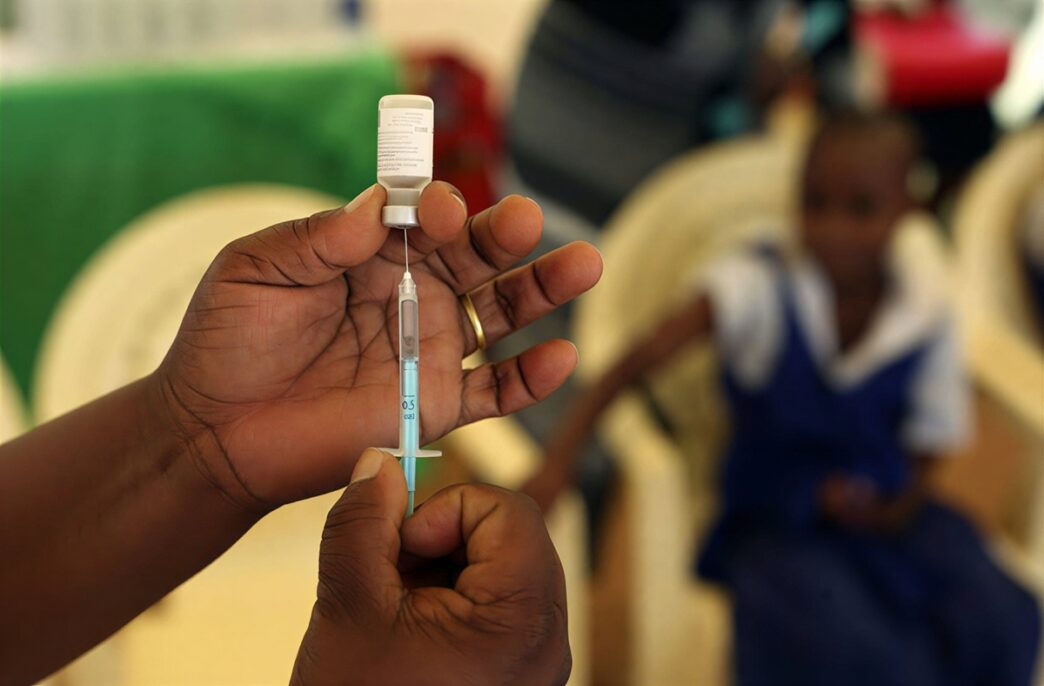
The United Nations (UN) has warned that funding cuts, conflict and misinformation are undermining global immunisation efforts, despite a slight improvement in infant vaccination coverage in 2025.
New data released on Wednesday by the World Health Organisation (WHO) and the United Nations Children’s Fund (UNICEF) showed that 90 percent of infants worldwide, nearly 116 million children, received at least one dose of the diphtheria, tetanus and pertussis (DTP) vaccine last year, while 85 percent completed the recommended three-dose schedule.
Although both figures were one percentage point higher than in 2024, they remain below pre-pandemic levels recorded in 2019.
UNICEF Executive Director Catherine Russell said millions of children remain vulnerable because conflict, displacement and poverty continue to limit access to life-saving vaccines. She stressed that no child should suffer from diseases that can be prevented through routine immunisation.
“No child should suffer from a disease that a simple vaccine can prevent,” she insisted.
The report estimated that 13.5 million children received no vaccines during their first year of life in 2025, a decline of 750,000 from the previous year.
The UN agencies also warned that many children begin vaccination schedules but fail to complete them. About 7.3 million infants who received their first DTP dose did not go on to receive their first measles vaccine, which is typically administered between nine and 12 months of age.
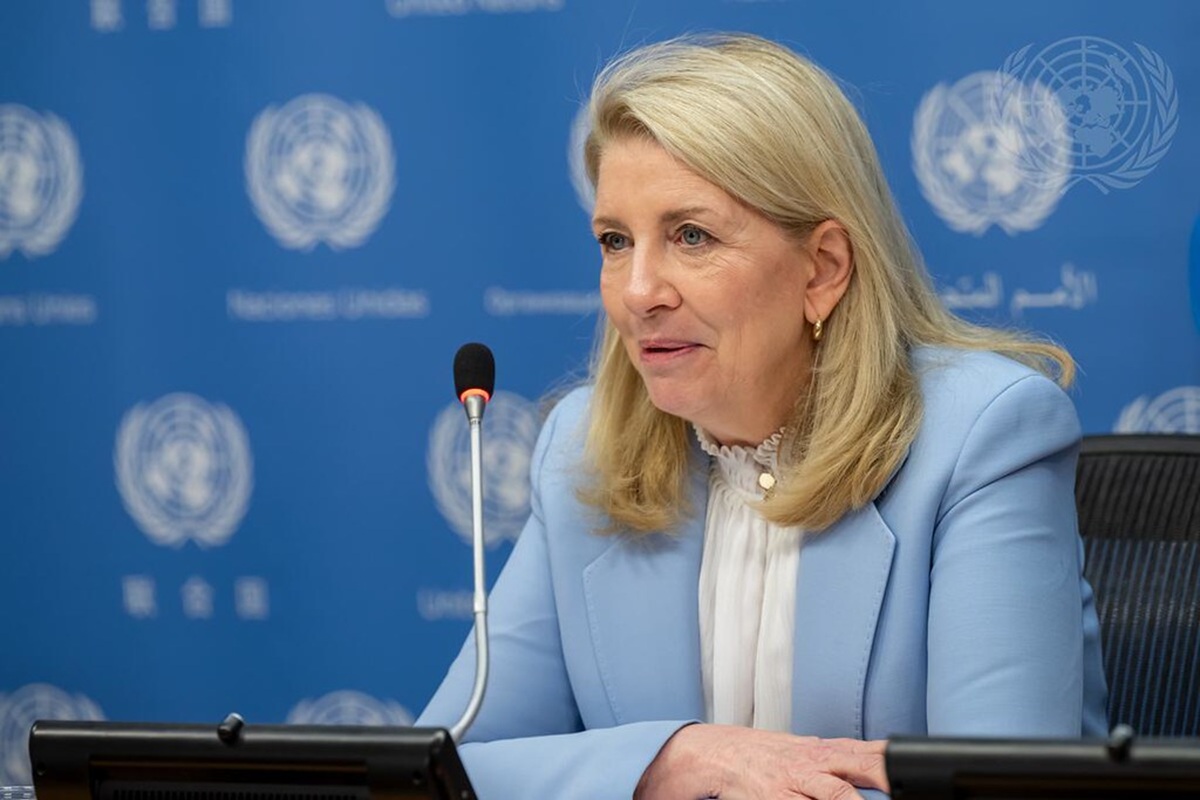
WHO Director of Immunisation, Vaccines and Biologicals Kate O’Brien attributed some of the growing number of missed vaccinations to misinformation surrounding measles vaccines, describing the trend as a major concern.
She noted that global measles vaccination coverage has stalled at 84 per cent for the first dose and 77 per cent for the second dose, well below the 95 per cent threshold needed to prevent outbreaks.
According to the report, 57 countries experienced major measles outbreaks in 2025, while outbreaks of other vaccine-preventable diseases, including diphtheria and cholera, also increased.
O’Brien also warned that the full impact of reductions in international aid, particularly funding cuts introduced after the return of United States President Donald Trump, has yet to be reflected in the data.
“We don’t think that the impact of those funding cuts is showing up yet fully in the 2025 data,” she said, adding that “our concerns are very much for what’s happening in programmes in 2026 and what is yet to come”.
She said the outbreaks already point to growing weaknesses in global immunisation systems and cautioned that the situation could worsen in 2026.
UNICEF’s Chief of Immunisation, Ephrem Lemango, said funding reductions had also weakened disease surveillance, making it more difficult to detect and respond to outbreaks.
“Our ability to have a strong surveillance of outbreaks has been considerably impacted,” he told reporters.
The report noted that only 18 national immunisation surveys were conducted and submitted in 2025, compared with 50 the previous year.
Read More : UK Agrees Military Support for Saudi Arabia
Despite the challenges, vaccine coverage reached record levels across the 57 low-income countries supported by the global vaccine alliance Gavi.
However, Gavi warned that continued funding shortfalls could have severe consequences, with Chief Country Delivery Officer Thabani Maphosa saying an estimated 600,000 lives that could otherwise be saved may be lost if financial support continues to decline.
“We believe that 600,000 lives that could have been saved will be impacted”, Maphosa told reporters.