Trending
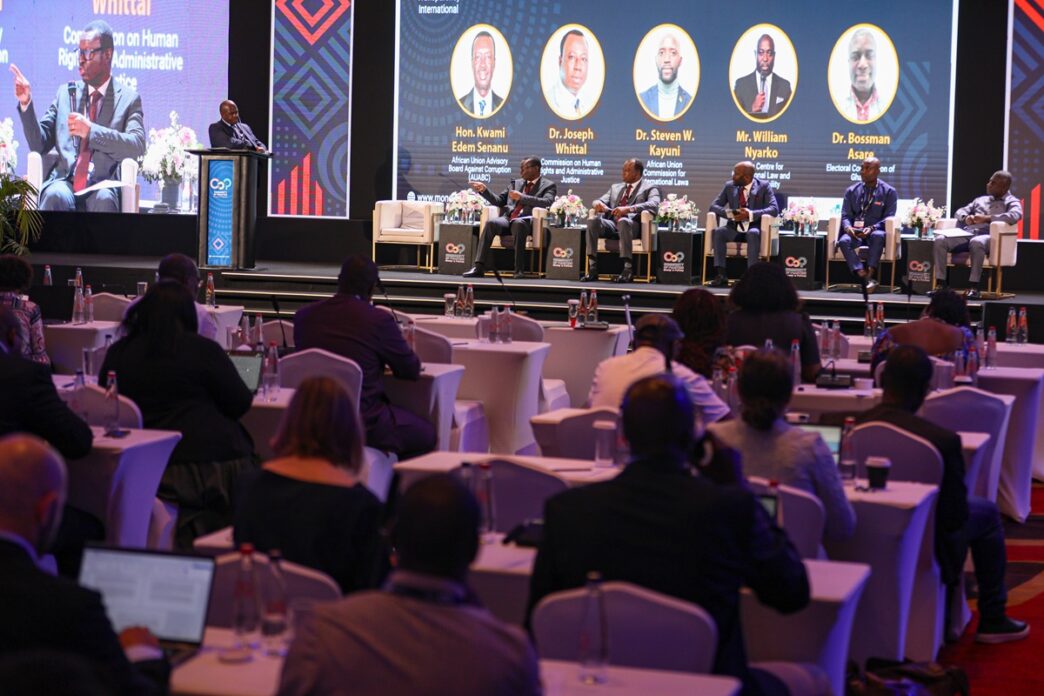
Delegates at the High-Level Regional Convening on the Financialization of Politics in Africa have adopted the Accra “Declaration on Regulating Financing of Politics to Advance Democratic Integrity in Africa”, calling for coordinated continental action to strengthen transparency, accountability and integrity in political financing.
The declaration, adopted on Thursday at the close of the three-day meeting in Accra, Ghana, warned that the growing influence of money in politics is undermining democratic gains recorded across Africa over the past three decades.
The convening, held from July 14 to 16 at Kempinski Hotel Gold Coast City, was co-hosted by the Community of Practice on Money in Politics in Africa, the Open Society Foundations, the Ghana Centre for Democratic Development (CDD Ghana), Transparency International and the African Union Advisory Board Against Corruption.
Read More : Africa Targets Cheaper Cross-Border Flights
The declaration raised concerns that opaque political financing, rising campaign costs, corruption, illicit financial flows, state capture and unequal access to political participation are weakening democratic governance and eroding public trust across the continent.
It stressed that democracy should serve citizens rather than donors and affirmed that political systems must be accountable to the people through participation, representation and public service.
It also emphasised the citizens’ right to know who finances political actors, how political resources are used and whether political decisions are influenced by private interests.
Delegates reaffirmed the need to strengthen political finance regulation and enforcement while safeguarding transparency, political freedoms and democratic competition. They also called for more inclusive political participation and urged the use of technology to promote transparency, accountability and democratic oversight.
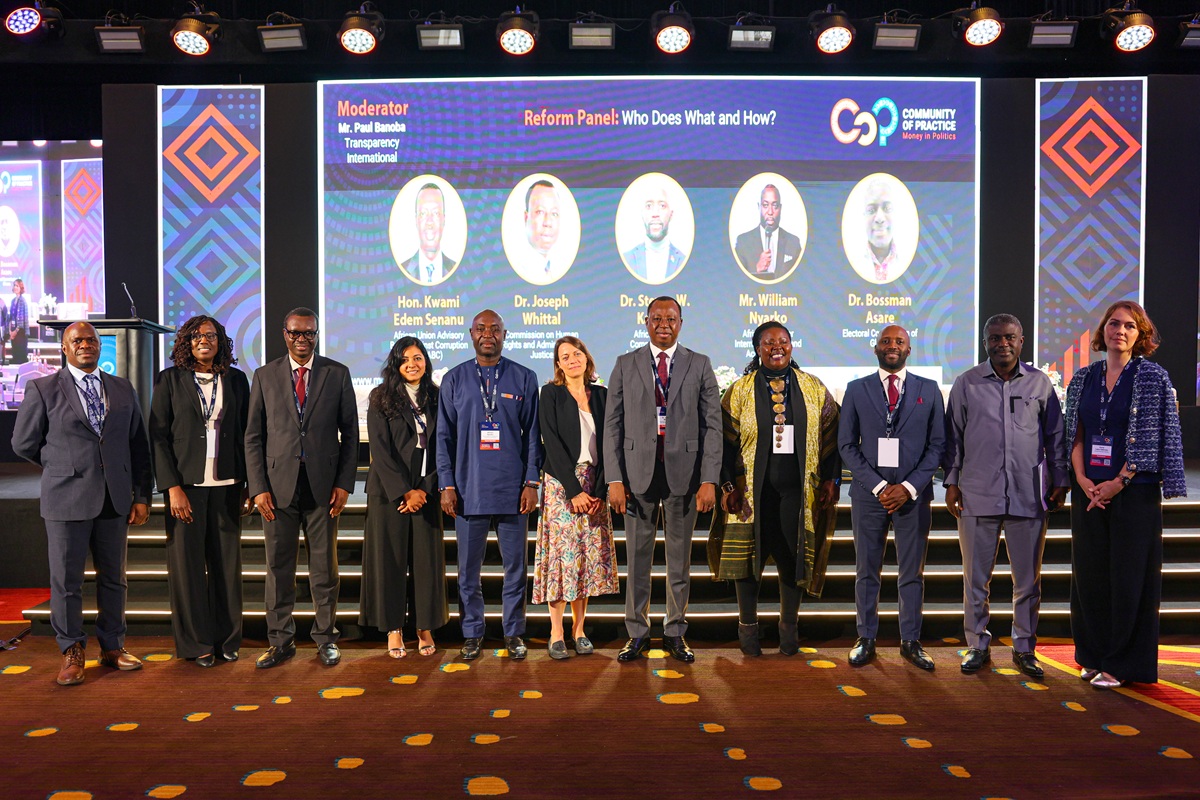
The declaration further recognised the establishment of the Community of Practice on Money in Politics in Africa, launched in Dakar in March 2026 and expanded in Accra through stakeholder engagement, noting that it would support the African Union Advisory Board Against Corruption and other AU organs in developing a continental Model Law on Political Finance.
It also urged the United Nations Office on Drugs and Crime, the African Union and its institutions, Regional Economic Communities, governments, parliaments, electoral management bodies, anti-corruption agencies, the media, development partners, other organisations and citizens to take concrete steps to improve transparency, accountability and integrity in political financing.
To sustain implementation, delegates committed to strengthening the Community of Practice as the continent’s platform for dialogue, peer learning, civic education, knowledge exchange and advocacy on money in politics. The declaration also called for continued collaboration among African institutions, research organisations and development partners to advance political finance reforms and monitor progress on agreed commitments.
Speaking at the closing ceremony after the declaration was adopted, the African Union High Representative for Silencing the Guns in Africa, Dr Mohamed Ibn Chambas, congratulated delegates on the milestone but cautioned that implementation would determine its success.
“I congratulate you most warmly. But permit me, gently, a caution at the outset: on our continent, adopting declarations is the easy part. Africa’s archives are heavy with eloquent commitments. What will distinguish Accra is not what we proclaimed at midday on the sixteenth of July, but what we can prove by the eleventh of July next year, when the first continental scorecard falls due,” he said.
Drawing on decades of experience in peacebuilding across Africa, Chambas emphasised that failures in political governance often fuel instability.
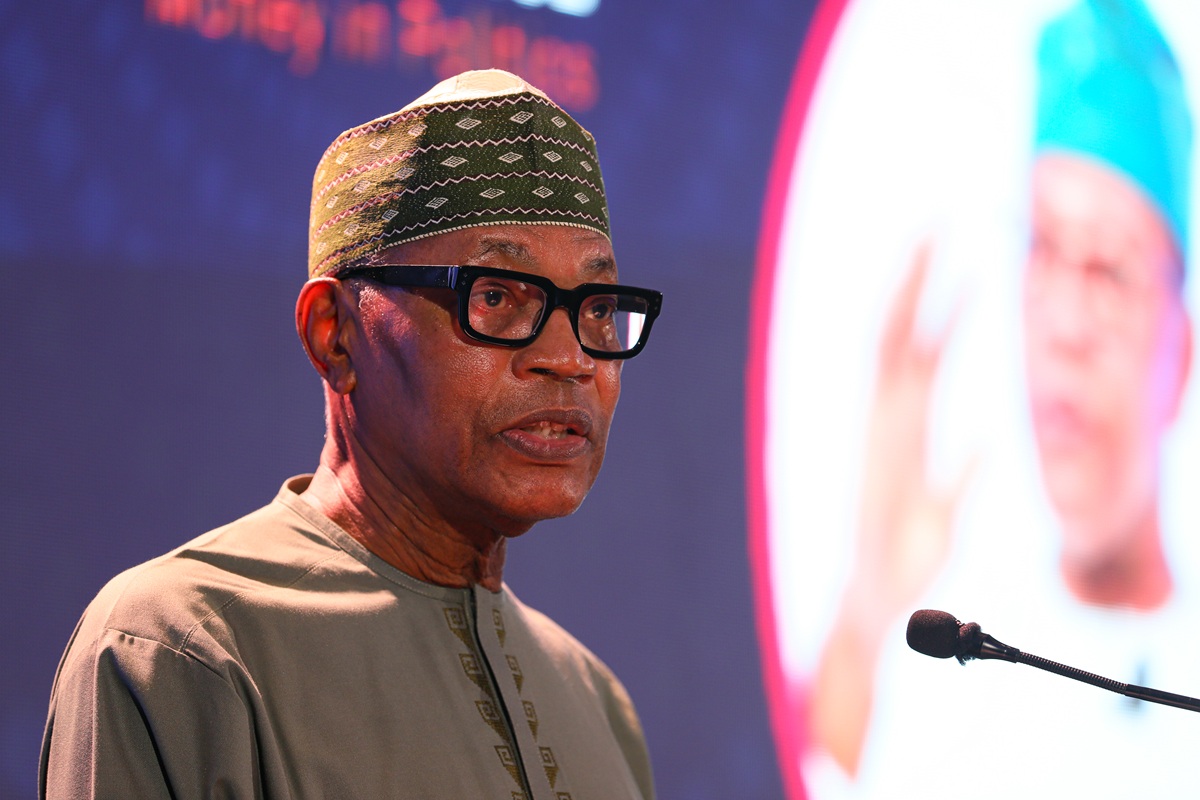
He described political finance reform as “the peace and security agenda, pursued upstream, before the crisis,” arguing that restoring public confidence in democratic institutions remains the continent’s strongest conflict prevention strategy.
Chambas also pointed to weak enforcement of existing political finance rules, noting that although African leaders adopted the Maputo Convention more than two decades ago, implementation has lagged.
He urged governments and parliaments to enact meaningful reforms, telling political leaders that “nothing tests statesmanship more severely than legislating transparency into the very system that brought you to power.”
Chambas also challenged electoral commissions, anti-corruption agencies, political parties, technology companies, civil society organisations and development partners to play their part in implementing the declaration.
He concluded by saying the declaration would only be meaningful if it translated into measurable reforms.
“The adoption of the Accra Declaration will be meaningless unless it is linked to the liberation of African politics from the tyranny of money.
“The surest way to silence the guns is to give our people a democracy worth believing in. You have written the promise here in Accra. Now let us go home and keep it”.