Trending

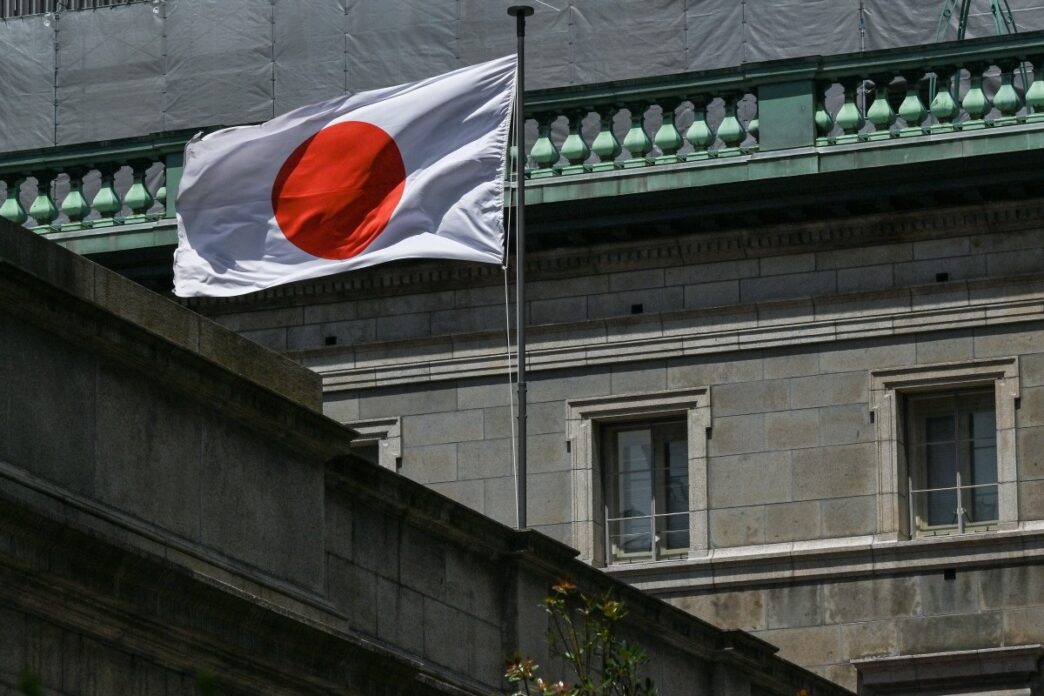
Japan has enacted a law making it a criminal offence to desecrate the national flag, despite criticism from legal experts and opposition lawmakers who warn it could undermine freedom of expression.
The legislation, passed on Friday, provides for up to two years’ imprisonment or a fine of up to 200,000 yen (about $1,200) for anyone who publicly damages, removes, or defaces the national flag in a manner deemed to cause significant discomfort or revulsion.
The measure advances the conservative agenda of Prime Minister Sanae Takaichi, whose government argued that the new law closes a legal gap, noting that Japan already criminalises the desecration of foreign national flags but previously had no equivalent protection for its own.
Read More : Bandits Kill Two in Sokoto

However, critics have questioned the justification for the legislation. In a statement submitted to lawmakers last week, 148 legal experts warned that the law could restrict political expression and raised serious concerns about its implications for criminal law.
Opponents also argued that laws protecting foreign flags were largely intended to prevent diplomatic disputes, rather than shield national symbols from political protest.
Law professor Takaaki Matsumiya of Ritsumeikan University said Japan’s wartime history meant some citizens viewed the national flag negatively, while opposition lawmaker Ayaka Shiomura argued that flag desecration had historically been used as a powerful form of political expression against state authority and discrimination.
“The destruction of national flags has historically been one of the strongest forms of political expression used by people to resist state power and to condemn discrimination,” Shiomura said.
Despite the objections, the bill secured approval in the upper house with backing from the ruling coalition and some opposition parties, clearing the way for it to become law.