Trending
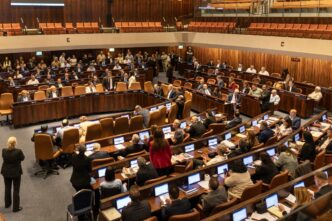
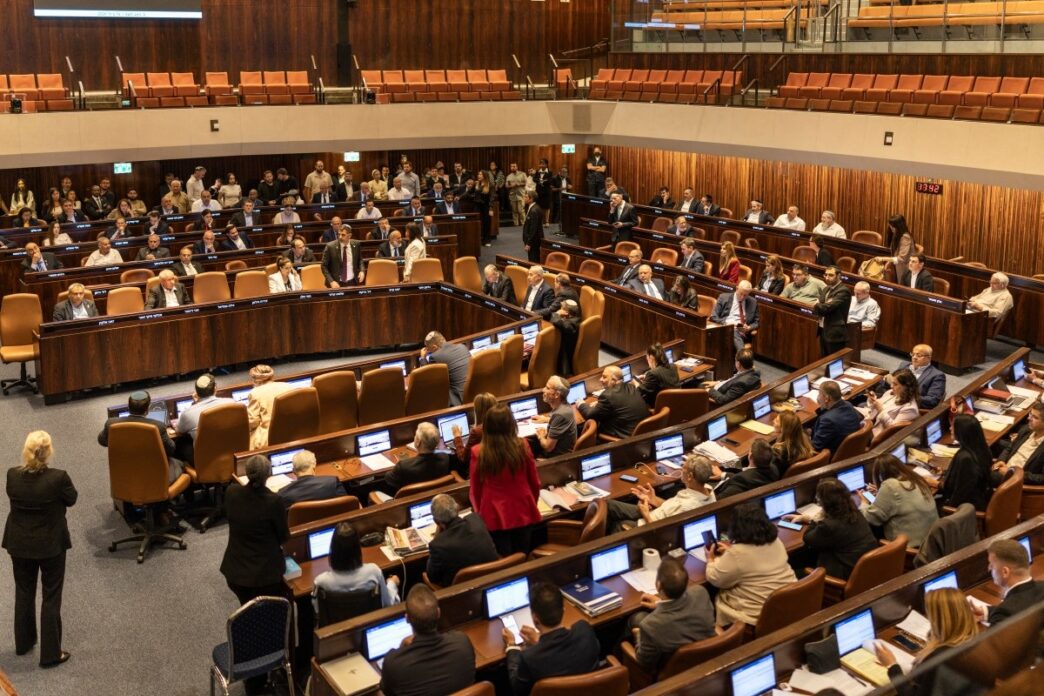
Israel’s parliament has voted to dissolve itself, sending the country to the polls on October 27 as Prime Minister Benjamin Netanyahu seeks re-election despite declining public support.
The measure was approved early Friday by 62 members of the 120-seat Knesset, following a final legislative push by the ruling coalition before the parliamentary term ends.
In its last sitting, lawmakers passed several contentious bills, including measures to reduce the powers of the attorney general, suspend the arrest of ultra-Orthodox draft evaders, expand government oversight of the media and increase public funding for political parties.
Read More : Two European Women Freed After Kidnap in Niger
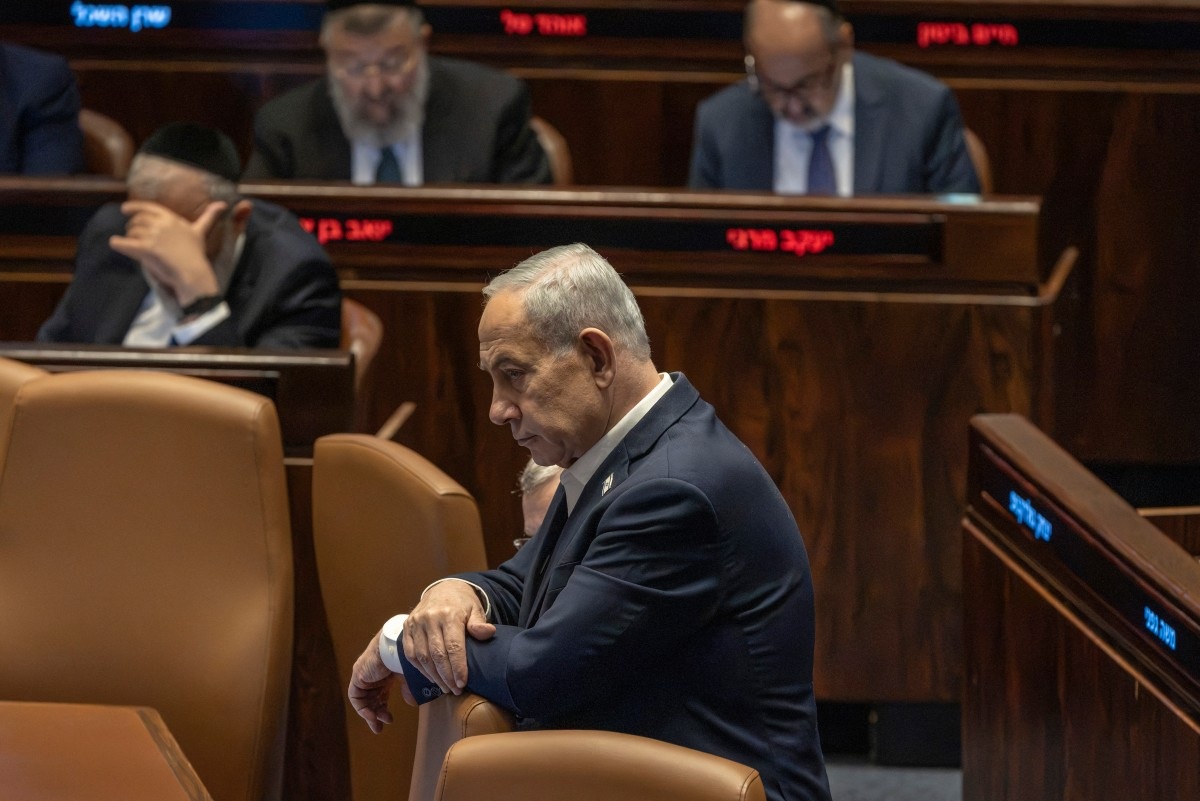
Although the Knesset voted to dissolve itself, its legal adviser, Sagit Afik, said parliament could continue operating for about 10 more days because legislation confirming the election date had been returned to committee after a parliamentary deadlock. But the wrangling will not prevent the end of the parliamentary term.
Closing the parliamentary session, Speaker Amir Ohana reflected on what he described as a difficult legislative term marked by protests and the country’s longest war. Ohana said the upcoming election would be a contest of ideas in which political divisions were expected to become more pronounced.
Netanyahu, Israel’s longest-serving prime minister, is seeking to retain power despite growing public dissatisfaction, with opinion polls indicating that many Israelis want him to step down following the security failures surrounding the October 7, 2023, Hamas attack.
Former military chief Gadi Eisenkot is widely seen as his main challenger in the October vote.