Trending
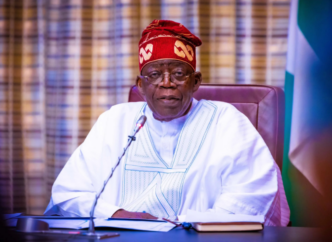
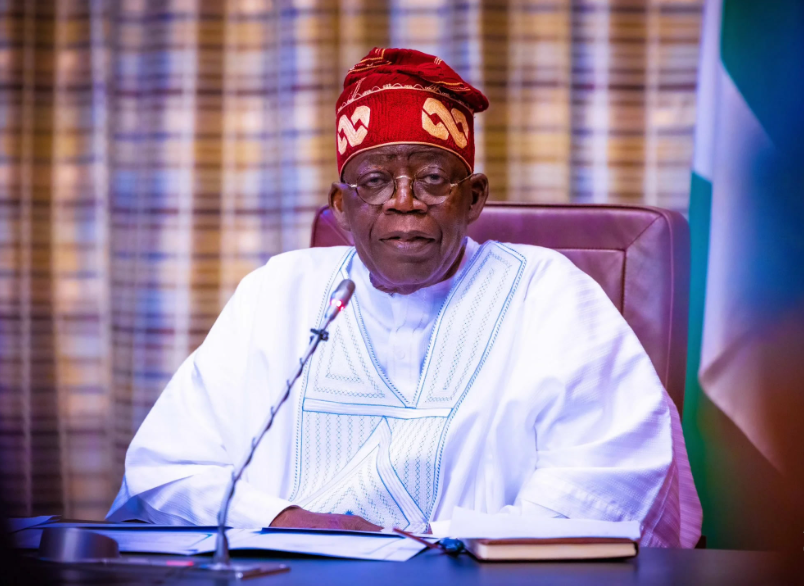
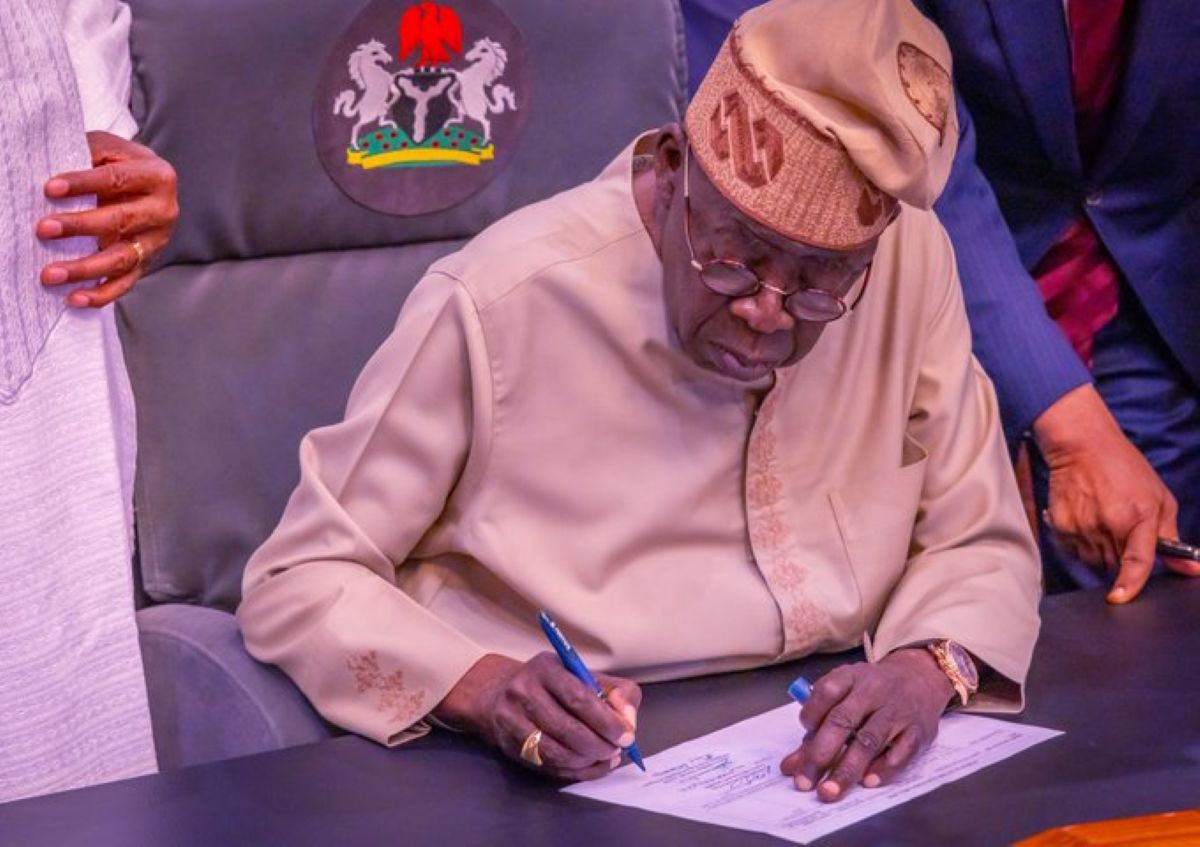
President Bola Tinubu has signed an Executive Order establishing a new framework to coordinate the regulation of virtual assets, strengthen oversight among financial regulators and tackle fraud in Nigeria’s digital economy.
According to a statement issued on Friday by the President’s Special Adviser on Information and Strategy, Bayo Onanuga, the Executive Order was signed pursuant to Section 5 of the 1999 Constitution.
STATEHOUSE PRESS RELEASE
PRESIDENT TINUBU SIGNS EXECUTIVE ORDER ON VIRTUAL ASSETS, ESTABLISHES COUNCIL TO HARMONISE REGULATION OF DIGITAL ECONOMY
President Bola Ahmed Tinubu, GCFR, has signed the Presidential Executive Order on Virtual Assets Coordination, 2026, to harmonise… pic.twitter.com/QkrIsPowli
— Bayo Onanuga, OON, CON (@aonanuga1956) July 17, 2026
The directive, which takes immediate effect, also establishes a Virtual Asset Council to coordinate the activities of agencies responsible for regulating the sector, while preserving their existing statutory powers.
“President Bola Ahmed Tinubu, GCFR, has signed the Presidential Executive Order on Virtual Assets Coordination, 2026, to harmonise the regulation of virtual assets, strengthen cooperation among the nation’s financial, revenue and capital markets agencies, protect citizens from fraud, and safeguard the integrity of the financial system while enabling responsible innovation.
“The President signed the Order pursuant to Section 5 of the Constitution of the Federal Republic of Nigeria, 1999 (as altered). The Executive Order takes effect immediately,” the statement read.
The Presidency said the new framework responds to the increasingly fragmented regulation of virtual assets, in which digital products often blur the lines between currencies, money, commodities, and securities.
It noted that overlapping responsibilities and regulatory gaps among existing agencies have exposed the country to risks, including money laundering, terrorism financing, cybersecurity threats, data privacy breaches, fraud, and revenue losses, and have allowed unregistered operators to exploit unsuspecting Nigerians.
“With relevant agencies operating in silos, overlapping in some areas and leaving gaps in others, the country has been exposed to risks, including money laundering, terrorism financing, cybersecurity and data privacy threats, fraud, and revenue losses.
“Too often, unregistered and fraudulent operators have exploited these gaps to prey on unsuspecting Nigerians, costing families their savings. The Order is designed to close these gaps through supervisory coordination, without introducing new layers of regulation or displacing the mandates of existing agencies,” it added.
Under the Order, the newly established Virtual Asset Council will be chaired by the Central Bank of Nigeria (CBN), with the Nigeria Revenue Service (NRS) and the Securities and Exchange Commission (SEC) serving as vice-chairpersons. Other members include the Nigerian Financial Intelligence Unit (NFIU) and the Office of the National Security Adviser (ONSA).
The Council will provide policy direction, improve coordination among regulators and work with the Attorney-General of the Federation to develop a harmonised legal and institutional framework aligned with Nigeria’s national security, economic and social objectives.
“To achieve this, the Order establishes a Virtual Asset Council, chaired by the Central Bank of Nigeria (CBN), with the Nigeria Revenue Service (NRS) and the Securities and Exchange Commission (SEC) as vice-chairs, and comprising the Nigerian Financial Intelligence Unit (NFIU) and the Office of the National Security Adviser (ONSA).
“The Council will provide policy direction, promote synergy among the participating agencies, and work with the Attorney-General of the Federation to develop a harmonised legal and institutional framework that aligns the sector with Nigeria’s national security, economic and social objectives, ” it said.
The Executive Order also creates a Virtual Asset Office, which will serve as the Council’s operational arm. The office, to be domiciled at the Central Bank of Nigeria, will coordinate information sharing, applications and reporting among participating agencies through an integrated supervisory technology platform.
The Presidency stressed that the Order does not create a new regulator or transfer statutory powers from existing agencies. Instead, it provides a coordinated framework under which each institution retains its mandate while working more closely with others.
Under the arrangement, virtual asset operators will register with the appropriate regulator based on the nature of their activities. The Securities and Exchange Commission will oversee activities involving securities, while the Central Bank will regulate payment, settlement, custody and other services involving non-security virtual assets. Any disputes over regulatory responsibility will be resolved by the Council.
President Tinubu directed the Virtual Asset Council to develop a Harmonised Implementation Framework within 30 days to guide the participating agencies in implementing the Executive Order.