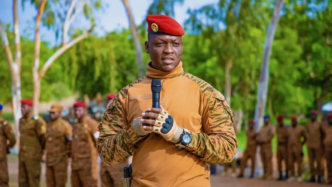
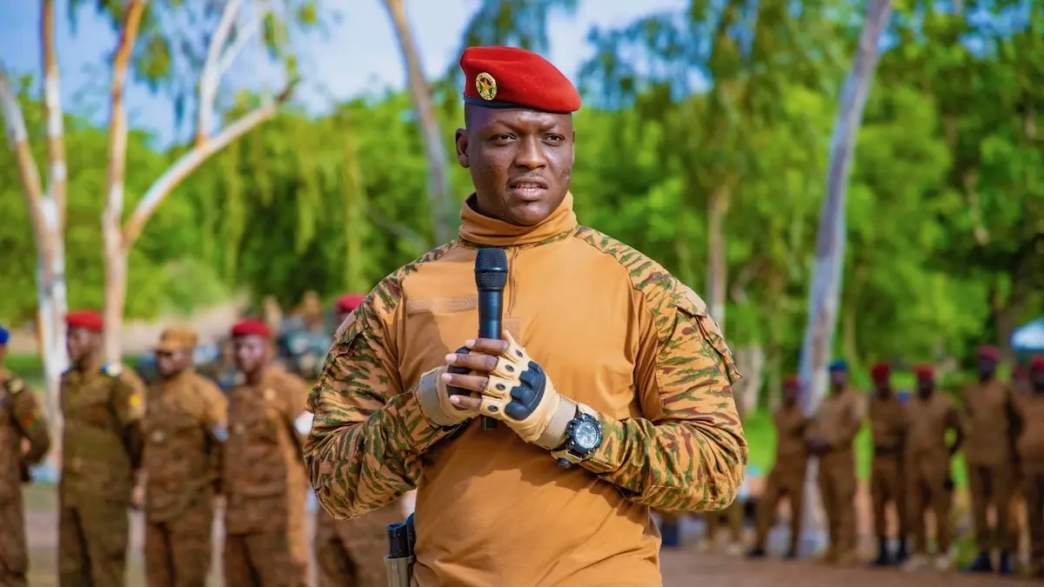
More than 40 journalists in Burkina Faso have undergone a military-style “patriotism” training course imposed by the country’s military-led government, raising fresh concerns over press freedom.
The Ministry of Security organised the training, which involved 44 journalists, at a police academy near the capital, Ouagadougou.
The six-day programme required participating journalists, both men and women, to wear military fatigues and handle rifles as part of the training.
Burkina Faso has been battling deadly jihadist violence for more than a decade, with armed groups affiliated with Al-Qaeda and the Islamic State operating across the country and neighbouring states.
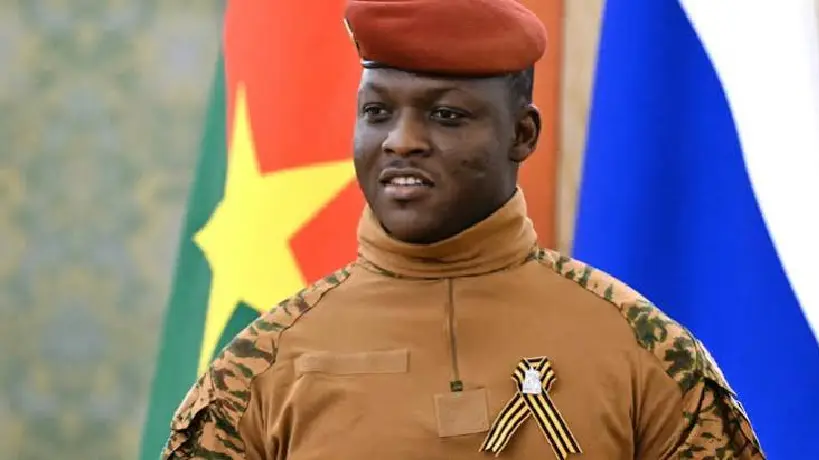
Under Captain Ibrahim Traore, who seized power in a 2022 coup, the military-led authorities have introduced an annual “patriotic immersion” programme for journalists working in public and private media organisations.
The latest initiative has drawn criticism from press freedom advocates.
“This initiative is a new, very worrying signal for press freedom,” Sadibou Marong, sub-Saharan Africa bureau director at Reporters Without Borders, told AFP.
Marong said journalists should not be treated as members of the military or compelled to participate in activities designed to support the war effort.
“Journalists are not soldiers and must not be turned into mouthpieces for the war effort, dressed in military uniforms and with weapons in their hands,” he said.
Credit: RFI
Government urges journalists to be patriotic
A video shared on social media by public broadcaster RTB showed Communication Minister and government spokesman Pingdwende Gilbert Ouedraogo addressing journalists dressed in military fatigues and holding rifles.
“Are you going to be patriotic and professional journalists?” Ouedraogo asked.
“Affirmative,” the journalists responded together while standing at attention.
“A professional journalist who is not a patriot is a threat to their country,” the minister added.
The authorities have defended the patriotism initiative as part of efforts to strengthen national unity and support the country’s fight against armed groups.
The programme follows a broader campaign by Traore’s government to promote domestically driven, anti-Western policies, which it says will restore Burkina Faso’s national sovereignty.
Concerns over press freedom
Rights groups have raised concerns over the increasingly restrictive environment for journalists since Traore came to power.
Several media organisations have been suspended, while rights groups say dozens of journalists critical of the junta have been forcibly conscripted and sent to the frontline.
The government has also extended similar military-style training to young people.
Since last year, high-school students sitting their final examinations have been required to participate in a comparable programme.
Burkina Faso is one of several countries in West Africa’s Sahel region facing a prolonged jihadist insurgency.
The violence has killed thousands of people and displaced large numbers of civilians, placing pressure on governments to strengthen their security responses.
However, press freedom organisations argue that journalists must be allowed to carry out their professional duties independently, particularly during periods of conflict, without being turned into instruments of government or military messaging.
Toyibat is a highly motivated Mass Communication major and results-oriented professional with a robust foundation in media, education, and communication. Leveraging years of hands-on experience in journalism, she has honed her ability to craft compelling narratives, conduct thorough research, and deliver accurate and engaging content that resonates with diverse audiences.
Weekly roundups. Sharp analysis. Zero noise. The NewsCentral TV Newsletter delivers the headlines that matter—straight to your inbox, keeping you updated regularly.
 Trending