Trending
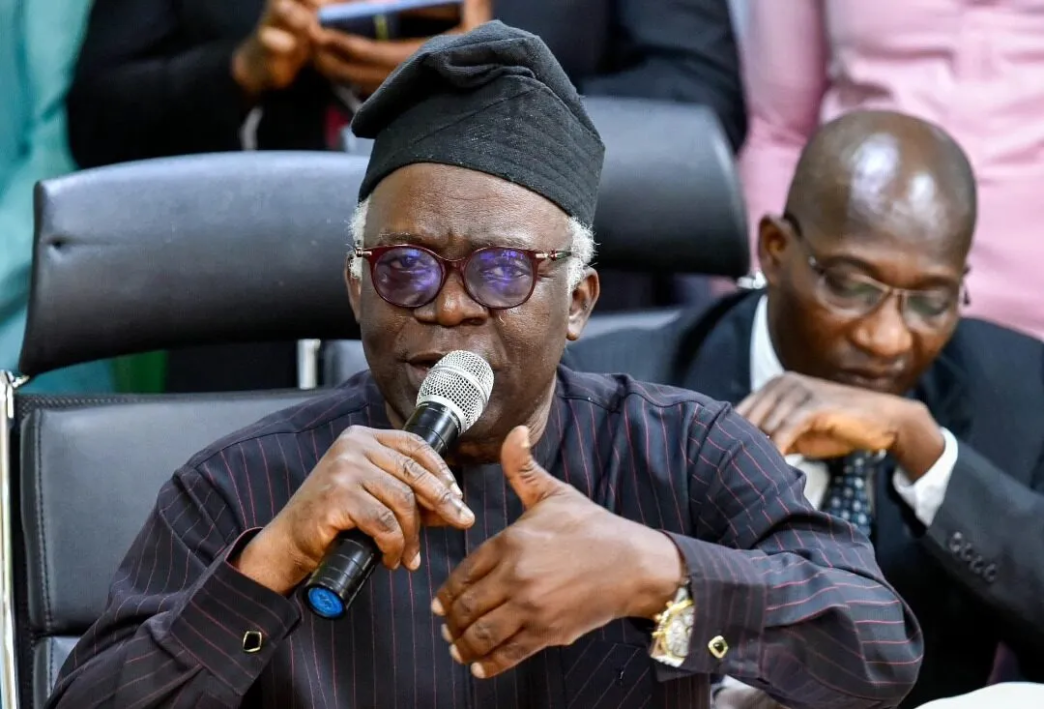
Nigerian human rights lawyer Femi Falana has urged the government to take legal action against South Africa over alleged killings and abuse of Nigerians.
Falana made the call after the reported killing of Nigerian cleric Bishop Michael Taiwo Fakunle in Johannesburg on September 4.
Fakunle was reportedly shot dead by unknown gunmen at his residence after allegedly receiving threats.
A day later, another Nigerian, James Uchechukwu Nwankwo, reportedly died after an alleged interrogation by South African police officers.
Falana, citing comments attributed to Nigeria’s High Commissioner to South Africa, Femi Fani-Kayode, said the two deaths had raised the number of Nigerians allegedly killed in South Africa in 2026 to eight.
He said four of the reported deaths involved South African security personnel.
Falana further claimed that more than 100 Nigerians had been killed in South Africa between 2022 and 2026, including more than 30 allegedly killed by South African police and defence personnel.
He said no one had been arrested, prosecuted or brought to justice over the reported killings despite repeated concerns raised by Nigeria.
“The response from Abuja has so far been limited to condemnation of the latest killings,” Falana said.
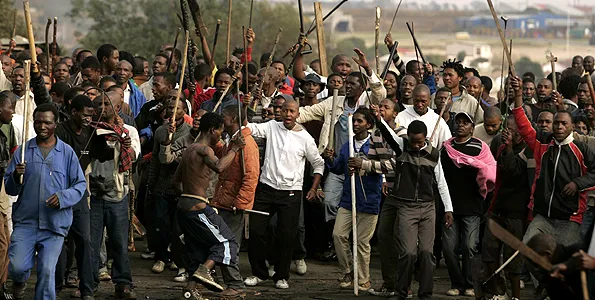
He argued that the Nigerian Government had a constitutional and international human rights obligation to protect Nigerians and seek justice when their rights were violated abroad.
Falana also raised concerns over a reported September 30 deadline for African nationals, including Nigerians, to leave South Africa.
“The Federal Government cannot continue to issue statements of condemnation after every killing while taking no effective legal steps to secure accountability and justice,” he said.
Falana urged the government to consider instituting proceedings against South Africa before the African Court on Human and Peoples’ Rights.
He said Nigeria and South Africa were parties to the African Charter and had ratified the protocol establishing the African Court.
“Nigeria can therefore explore the possibility of bringing an interstate case concerning the failure to protect Nigerian nationals from serious human-rights violations and to ensure effective investigation, prosecution and remedies,” Falana said.
He added that Nigeria ratified the protocol establishing the African Court in 2004 but had not made the declaration under Article 34(6), which allows direct applications to the court by individuals and non-governmental organisations.