Trending

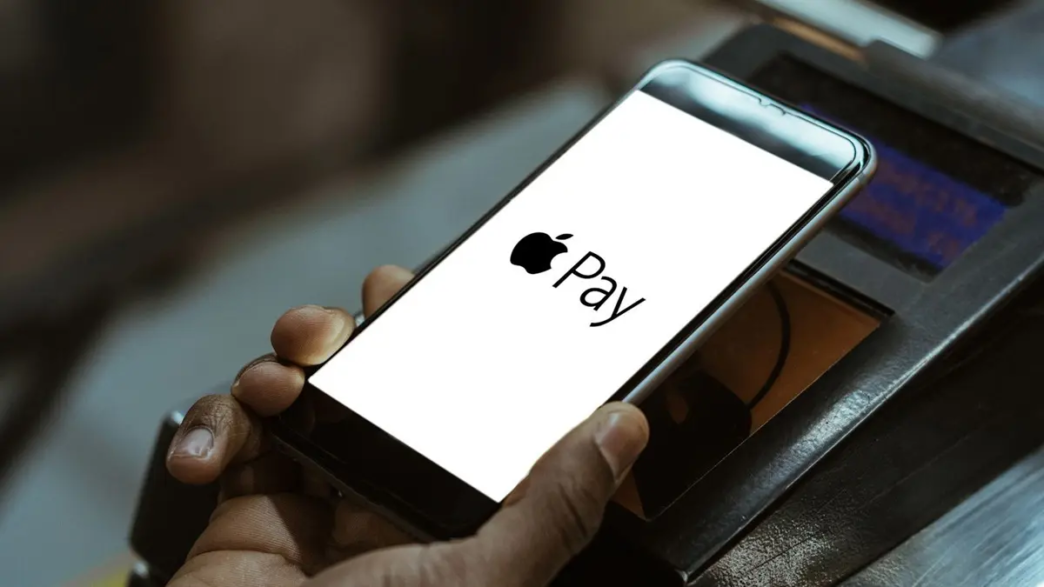
Apple has launched its payment service in India as the United States technology giant seeks to capture a share of the country’s rapidly growing digital payments market.
More than 80 percent of India’s digital payments are processed through the homegrown United Payments Interface (UPI), which the International Monetary Fund (IMF) describes as the world’s largest real-time payment system by transaction volume.
Walmart-owned PhonePe, Alphabet’s Google Pay and Indian fintech company Paytm currently dominate the country’s digital payments sector.
Read More : Thales to Build Nigeria’s New Telecom Satellite
Apple Pay’s launch in India comes through a partnership with Axis Bank, the country’s third-largest private lender.
Under the arrangement, Axis Bank customers can add their credit cards to Apple Wallet and use iPhones or Apple Watches to make payments at thousands of physical and online merchants across India, Apple said in a news release.
Jennifer Bailey, vice president of Apple Pay and Apple Wallet, said the company was pleased to bring the service to Indian users, describing the country as a digitally advanced market with consumers increasingly embracing cashless payments.

Although most Indian consumers continue to favour cheaper Android smartphones, demand for iPhones has been growing among more affluent consumers.
Apple shipped more than 14 million iPhones in India in 2025, according to TechCrunch.
The company has also been expanding its manufacturing presence in India, positioning the country as a major production and export hub as it seeks to reduce its reliance on China.
India now accounts for about 25 percent of global iPhone production, according to local reports.
Read More : Trump Touts AI Boss Pledge to Self-Regulate
The Apple Pay launch also comes as the Indian government introduces changes to the UPI payment system, allowing banks and payment platforms to charge merchants a small fee on larger transactions after six years of free use.
The government says the measure, announced this month, is intended to support the sustainability of the digital payments infrastructure.
Critics, however, have warned that the charges could reduce UPI usage if merchants pass the additional costs on to consumers.