Trending

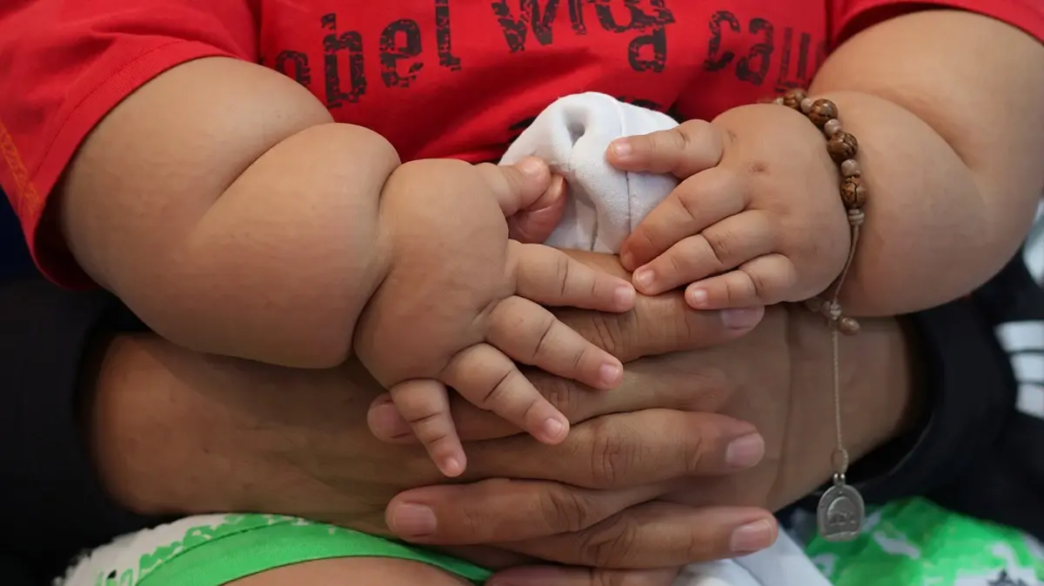
The World Health Organisation (WHO) has advised against using weight-loss medicines or bariatric surgery to treat obesity in children under 10, instead calling for structured diets, physical activity and sustained behavioural changes.
The recommendations were contained in the WHO’s first guidelines specifically addressing the growing prevalence of obesity among children and adolescents.
For children aged 0 to 9, the United Nations health agency said obesity treatment should not involve weight-loss medicines, bariatric surgery or weight-loss devices.
For adolescents aged 10 to 19, however, the WHO said approved obesity medicines could be considered where a supervised, comprehensive lifestyle programme had failed to produce the desired results.
It added that bariatric surgery could also be considered for adolescents with severe obesity, but only under strict conditions.
“WHO does not recommend pharmacological treatment, bariatric surgery (surgery that changes the stomach or digestive tract) or weight-loss devices for children aged 0-9 years,” it said.
“For adolescents aged 10-19 years, treatment with approved medicines may be considered only when a supervised multimodal lifestyle programme has not achieved the desired results.
“Bariatric surgery may be considered under strict conditions for adolescents with severe obesity.”
The recommendations for those aged 19 and under contrast with the UN health agency’s guidelines for adult obesity issued in December 2025, following the surge in popularity of a new generation of appetite-suppressing drugs called GLP-1 agonists, which includes blockbuster brands Ozempic and Mounjaro.
The WHO said the drugs could form part of obesity treatment for adults but stressed a different approach for children and adolescents.
The WHO estimates that about 70 million children aged five to nine were living with obesity in 2024, alongside approximately 100 million adolescents aged 10 to 19.
Among people aged five to 19, the global prevalence of obesity increased from about 2 percent in 1990 to 8 percent in 2024.
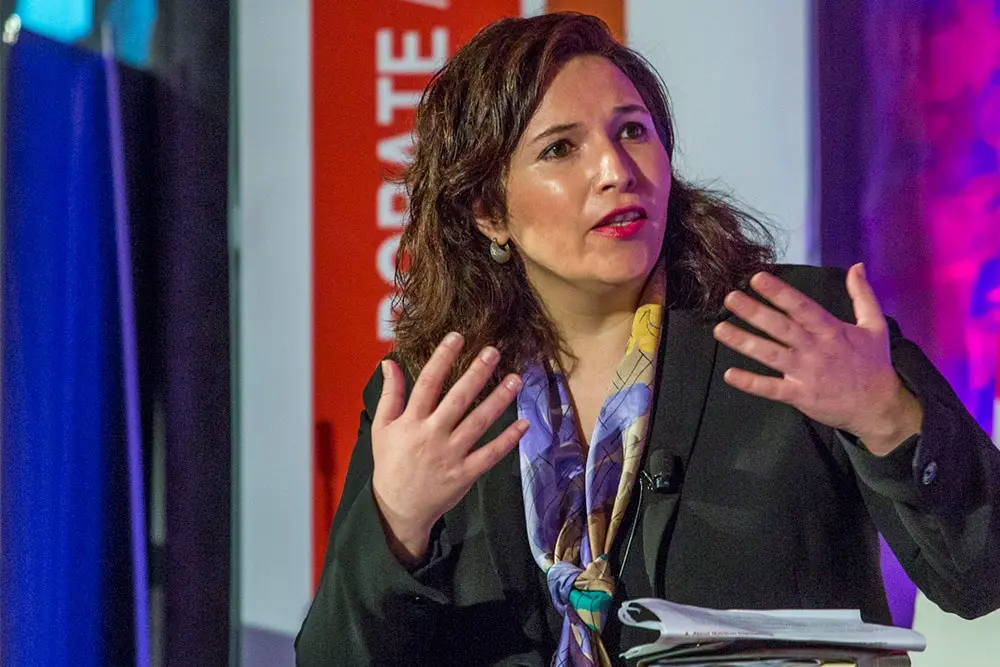
Luz Maria De Regil, director of the WHO’s Department of Nutrition and Food Safety, said the increase was being recorded across all regions, with low- and middle-income countries experiencing particularly rapid growth. She noted that some high-income countries were beginning to stabilise obesity rates, although significant reductions had yet to be achieved.
De Regil said the main focus of obesity care for children and adolescents should be access to comprehensive support that promotes healthy eating, regular physical activity and lasting behavioural changes rather than medication or surgery.
“The rise of obesity is observed everywhere in all regions,”Luz Maria De Regil said.
“It’s growing in low- and middle-income countries, while some high-income countries are starting to stop the rise of obesity, without yet making reductions.
“The foundation of obesity care for children and adolescents is not medicine or surgery, but access to comprehensive support that enables healthy eating, physical activity and sustainable behaviour change,” she said.
Read More : Israel Marks Three Years Since October 7 Attack
The WHO also highlighted the need to address mental health as part of obesity care. It said anxiety, depression and low self-esteem can contribute to unhealthy eating, inactivity and social withdrawal, while children living with obesity may face stigma and bullying.
Maria Nieves Garcia Casal, a WHO scientist in the nutrition and food safety department, said bariatric surgery could be considered during adolescence in cases of severe obesity accompanied by complications such as type 2 diabetes or hypertension.
She stressed that such an intervention should only be considered after dietary and lifestyle measures had failed.