Trending

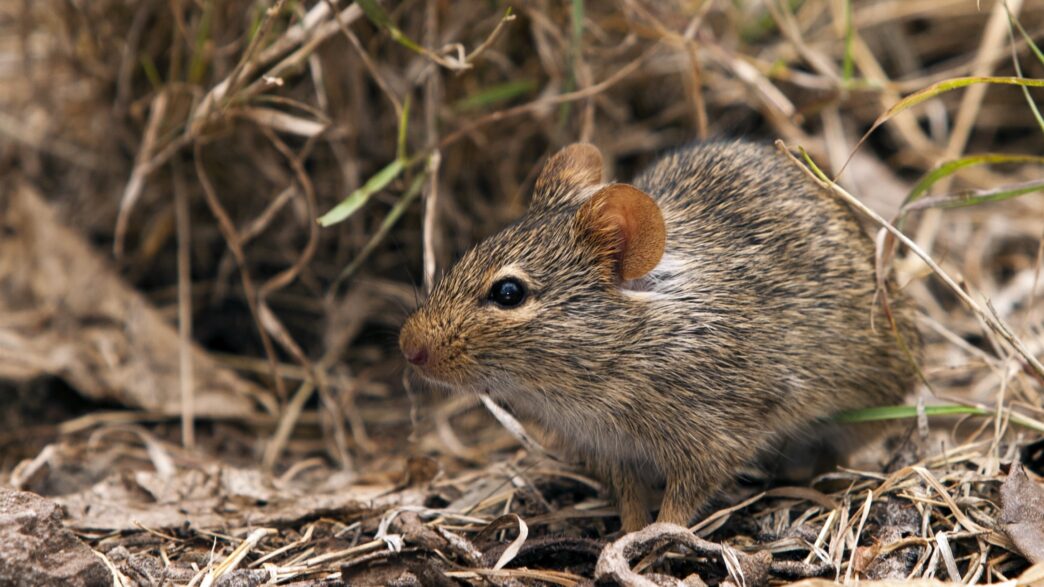
Nigeria recorded 263 deaths from Lassa fever and 1,115 confirmed cases between January and September 20, 2026, according to the Nigeria Centre for Disease Control and Prevention.
The agency disclosed this in its latest situation report covering September 14 to 20, which showed that the case fatality rate had risen to 23.6 per cent, compared with 18.5 per cent during the corresponding period in 2025.
During the same period last year, Nigeria recorded 906 confirmed cases and 168 deaths.
“Cumulatively, 263 deaths have been reported with a Case Fatality Rate (CFR) of 23.6%, which is higher than the CFR for the same period in 2025 (18.5%),” the report stated.
The NCDC recorded 8,218 suspected cases during the first 38 weeks of 2026, up from 7,792 in the corresponding period of 2025.
Confirmed infections were reported in 119 local government areas across 24 states.
Five states account for 87% of cases
Ondo, Bauchi, Taraba, Edo and Benue accounted for approximately 87 per cent of Nigeria’s confirmed Lassa fever cases during the period under review.
Ondo recorded the highest number, with 393 confirmed cases, followed by Bauchi with 260, Taraba with 133, Edo with 122 and Benue with 61.
During epidemiological week 38, which covered September 14 to 20, the country recorded 11 new confirmed cases and four deaths. The number of suspected cases reported during the week stood at 120.
The weekly confirmed case count fell from 17 in week 37.
The report identified people aged 21 to 30 as the most affected age group, while confirmed cases ranged from patients aged one to 93 years.
Although no new infection among healthcare workers was recorded during week 38, the cumulative number of affected healthcare workers stood at 54.
NCDC identifies challenges in response
The NCDC identified late presentation at health facilities as one of the factors contributing to the rising case fatality rate.
Other challenges included the high cost of treatment and clinical management, poor environmental sanitation, low awareness in heavily affected communities and infections among healthcare workers.
The agency urged state governments to sustain community engagement on Lassa fever prevention throughout the year.
It also called on healthcare workers to maintain a high index of suspicion, ensure prompt referrals and treatment, and comply with infection prevention and control procedures.
According to the report, response activities included active case searches, contact tracing, training for frontline healthcare workers, distribution of protective equipment and continued laboratory testing.
The national Lassa fever technical working group also continued to support coordination of response efforts at different levels.