


 Trending

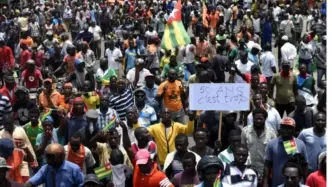
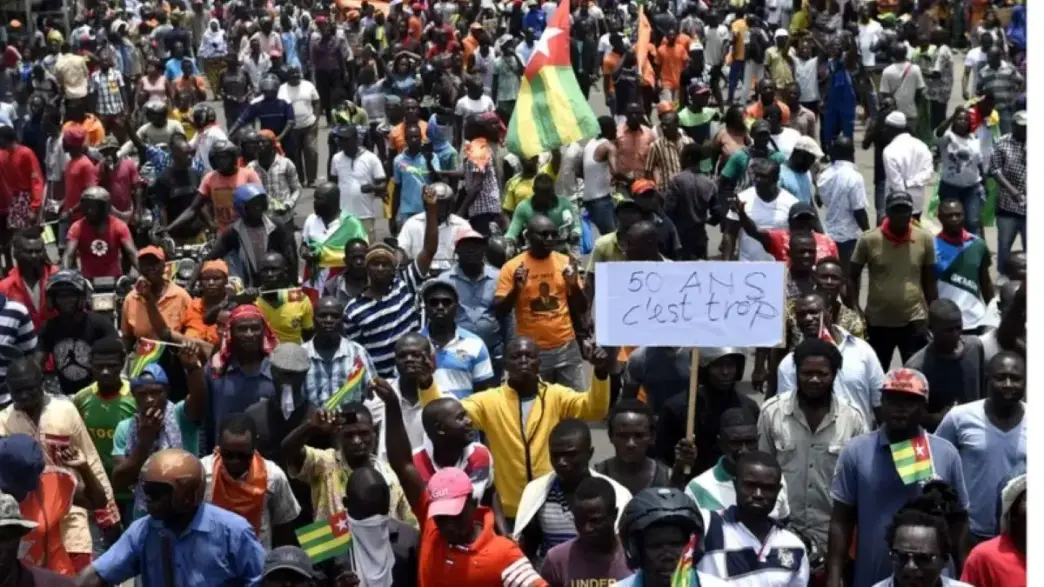
Togo’s opposition is struggling to mobilise public support against Faure Gnassingbe’s prolonged rule, as restrictions on protests, declining public participation and internal divisions weaken efforts to challenge his leadership.
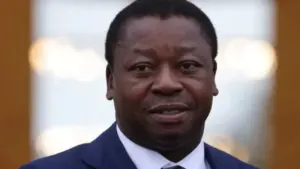
Gnassingbé has governed the West African nation since 2005, when he succeeded his father, who had ruled for nearly four decades.
A controversial constitutional reform adopted in 2024 allowed Gnassingbé to retain power through the newly created position of president of the Council of Ministers, effectively bypassing presidential term limits.
Opposition parties and civil society organisations have condemned the constitutional changes, accusing the government of attempting to prolong Gnassingbé’s rule indefinitely.
In June 2025, demonstrations against the reform in the capital, Lomé, were suppressed within days. Civil society groups reported seven deaths, while prosecutors said five people had died “by drowning”.
“There is a climate of fear in the country,” prominent opposition figure Brigitte Adjamagbo-Johnson said, adding that the fear must be overcome.
Veteran opposition leader Jean-Pierre Fabre also accused Gnassingbe of relying on violence and force to remain in power.
Public participation in opposition demonstrations has declined significantly, with rallies that attracted tens of thousands of protesters in 2017 drawing only a few hundred people in recent months.
Togolese political scientist Madi Djabakate told AFP that fears of arrest and physical assault, coupled with increased social media use, had discouraged citizens from attending demonstrations.
Nathaniel Olympio, spokesperson for the Hands Off My Constitution coalition, also blamed restrictions on public marches, harassment and intimidation for the declining turnout.
Internal Divisions Weaken Opposition
Despite their collective rejection of the 2024 constitution, opposition parties have struggled to establish a unified political strategy.
Some Togolese citizens have blamed opposition leaders for prioritising personal interests over collective political objectives, contributing to growing public disillusionment.
In July 2024, Olympio publicly apologised to Togolese citizens for divisions within the opposition. In late August, major opposition groups formed a united front against the constitution, marking their first such collective effort since the 2017 demonstrations.
The government, however, maintains that the constitutional reform is intended to reduce the concentration of power in one individual and transfer greater authority to parliament.
Djabakate argued that the opposition’s political strength could only be fairly assessed if its members were allowed to organise and operate without obstruction or intimidation.