Trending
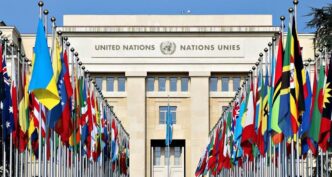
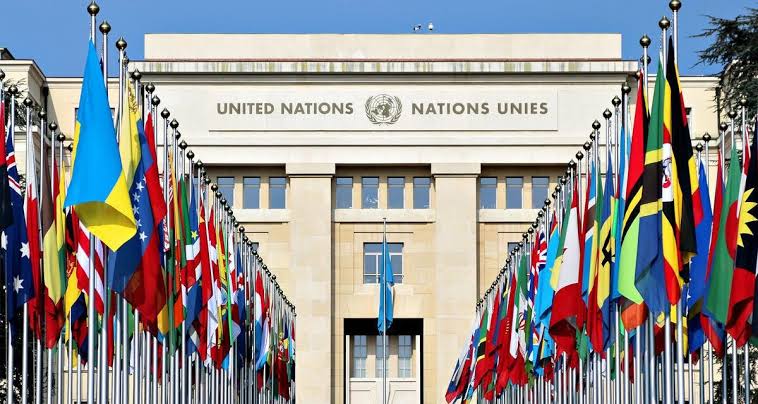
Burundi is set to retain its seat on the United Nations Human Rights Council in an uncontested vote on Monday, despite persistent concerns over its human rights record, Human Rights Watch said.
The 193-member UN General Assembly is due to elect members to the 47-seat council for three-year terms beginning on Jan. 1, 2027.
Burundi is one of four African candidates competing for the same number of available seats, alongside Ghana, Nigeria and Zambia.
All 15 candidates across the five regional groups are running unopposed, effectively guaranteeing their election if voting proceeds as expected.
“This uncompetitive vote makes a mockery of the word ‘election’,” Louis Charbonneau, Human Rights Watch’s UN director, said in a statement.
“UN member states should insist on competitive slates so they can reject candidates with poor human rights records,” he added.
“No one should have a seat on this crucial body handed to them on a silver platter.”
Human Rights Watch said Burundi had not carried out “meaningful reforms” to address longstanding concerns over governance, justice and accountability.
“Grave abuses persist with impunity, including extrajudicial executions, enforced disappearances, arbitrary arrests, and detention,” the organisation said, adding that “freedom of expression, assembly, and association remain severely restricted”.
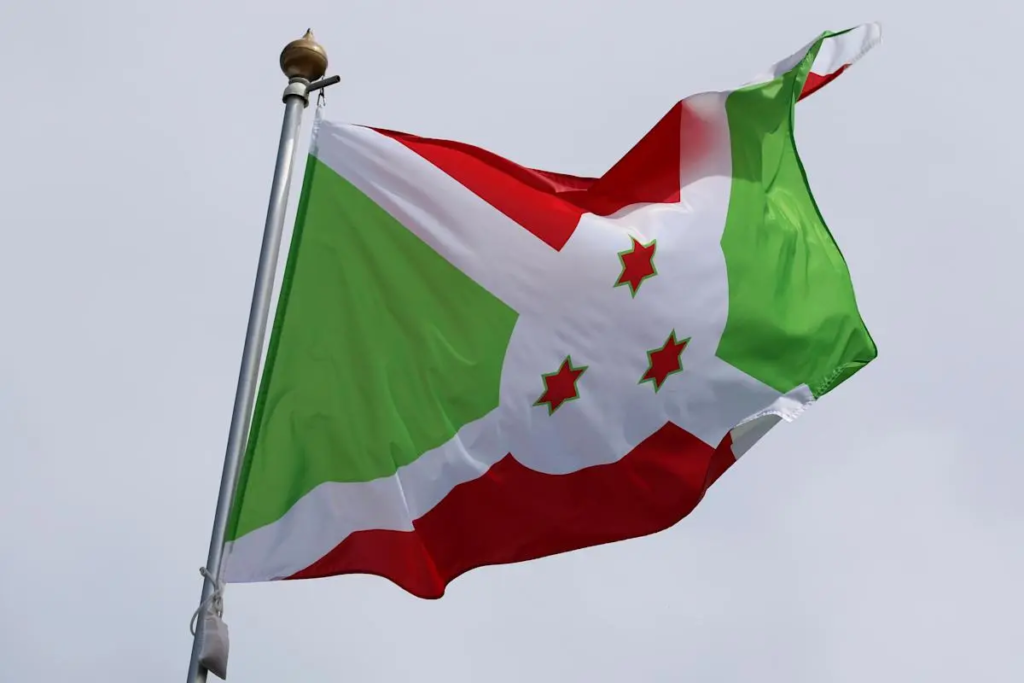
Burundi is in the third year of its current council term and is eligible to seek another consecutive term.
On Oct 6, Burundi’s delegation “tried to use their membership to prevent UN scrutiny of Burundi’s poor human rights record, first by calling a vote to renew the mandate of the UN special rapporteur on Burundi and then by voting against it,” Human Rights Watch said.
It noted that the resolution was adopted by 22 votes to seven, with 17 abstentions.
The organisation said the resolution not only expressed concerns about ongoing rights violations but highlighted Burundi’s refusal to cooperate with the council and most of its mechanisms, including the special rapporteur.
A 2006 UN General Assembly resolution establishing the council says countries voting for members should “take into account the contribution of candidates to the promotion and protection of human rights”.
Council members are required to “uphold the highest standards in the promotion and protection of human rights” and to “fully cooperate with the Council”.
Read More : Africa’s Energy Leaders Convene in Cape Town
Candidates need a simple majority in the General Assembly’s secret-ballot vote to secure a seat.
Human Rights Watch urged UN member states not to vote for governments it considers unqualified because of their human rights records.
Among the other candidates, the organisation said Nigeria should ensure accountability for serious international crimes committed by all parties, including security forces, during the conflict with the armed group Boko Haram.