Trending
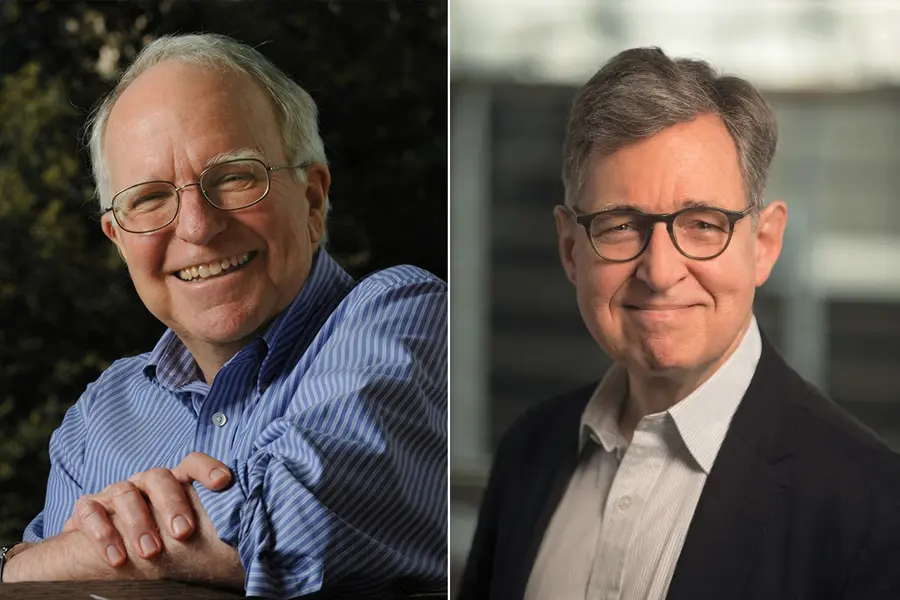
United States (US) economists Robert E. Hall and Michael Woodford have won the 2026 Nobel Prize in Economic Sciences for developing models that help governments and central banks stabilise economic fluctuations.
The Royal Swedish Academy of Sciences announced the award on Monday, recognising their research into how monetary and fiscal policies can reduce the effects of recessions and other economic crises.
Their work has helped policymakers understand how decisions by households and businesses affect the wider economy. It has also improved understanding of how governments and central banks can respond to inflation, energy shocks and changes in economic activity.
Read More : Pope Leo XIV to Undergo Lung Surgery
“On the basis of these models, well-timed fiscal and monetary policy measures can reduce the economy’s peaks and troughs,” the award committee said.
Hall is a professor emeritus at Stanford University in California, while Woodford is a professor at Columbia University in New York. Woodford was born in 1955. Their research developed after the oil crises of the 1970s exposed weaknesses in traditional economic models based on the theories of British economist John Maynard Keynes.
Rather than relying mainly on statistical relationships between inflation, production and consumption, Hall and Woodford built models around the decisions of individual households and businesses. The Academy said their work provides a stronger basis for understanding how economic policies influence people’s spending, saving and investment decisions.
Their research also highlights the role of expectations in economic behaviour. Households and businesses often make decisions based on what they expect to happen in the future. As a result, how governments and central banks communicate their plans can influence spending, investment and wider economic activity.
John Hassler, chair of the prize committee, said their research had helped establish the theoretical foundation for economic models now used by central banks and governments worldwide. Woodford described the award as a surprise and a great honour during a telephone interview with Reuters reporters after the announcement.
“It’s a surprise, but I’m feeling very good about it,” he said, adding that he felt “elated” to receive “a tremendous honour”.
He pointed to the 2008 global financial crisis as an example of how his research had influenced monetary policy. During the crisis, central banks in many countries had cut interest rates to near zero, limiting their ability to stimulate economic activity through further rate reductions.
Woodford said central banks responded partly by making clearer statements about the future direction of interest rates. Its known as forward guidance; the approach helps shape public and business expectations about future monetary policy.
“I think it did contribute to better stabilisation. It didn’t magically solve the problem, but I think it was an important contribution,” he said.
Woodford added that his research was not driven by a political agenda. Instead, he said it was intended to improve economic policy discussions and public understanding of how economies work.
The award comes as the US Reserve faces pressure from President Donald Trump to cut interest rates. The central bank uses monetary policy, including interest-rate decisions, to influence inflation and economic activity. Last year, the economics prize went to Joel Mokyr, Philippe Aghion and Peter Howitt for their research into how technological progress and innovation drive economic growth.
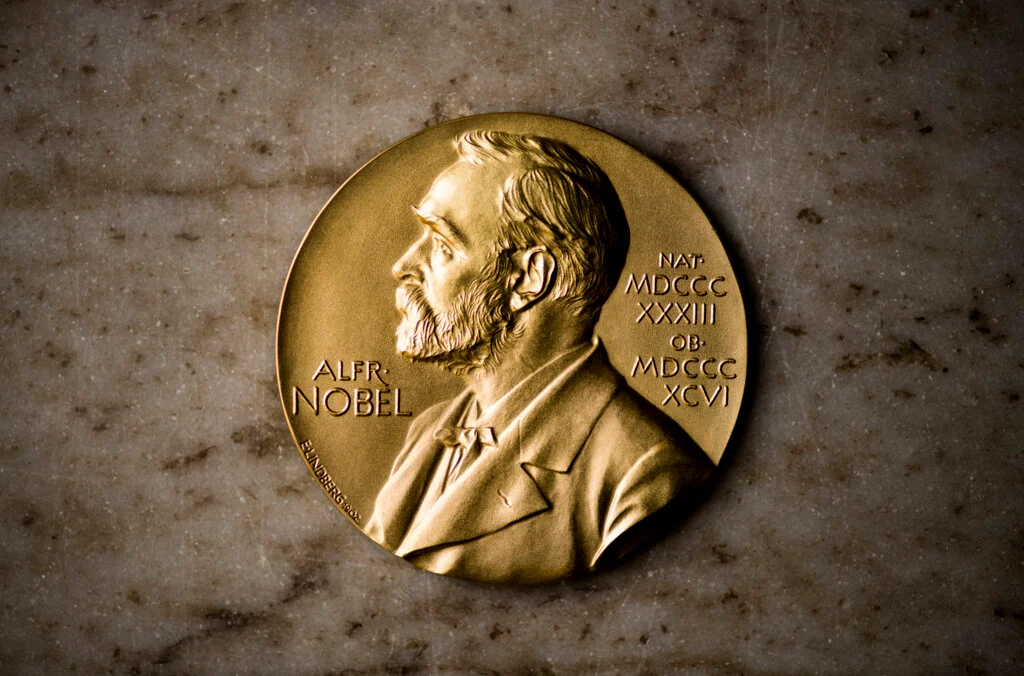
The 2026 award is worth 12 million Swedish kronor, approximately $1.2 million, and includes a diploma and a gold medal. Sweden’s central bank established the economics prize, and it was first awarded in 1969. It is formally known as the Sveriges Riksbank Prize in Economic Sciences in Memory of Alfred Nobel.
Read More : Fire Destroys Paris’ Historic Food Market
BREAKING NEWS
The Royal Swedish Academy of Sciences has decided to award the 2026 Sveriges Riksbank Prize in Economic Sciences in Memory of Alfred Nobel to Robert E. Hall and Michael Woodford “for microeconomic foundations of macroeconomic stabilisation.”#NobelPrize https://t.co/2i7ktB1Q2b
— The Nobel Prize (@NobelPrize) October 12, 2026