Trending
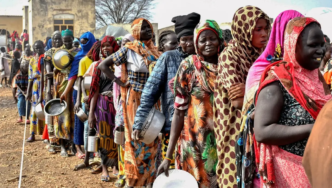
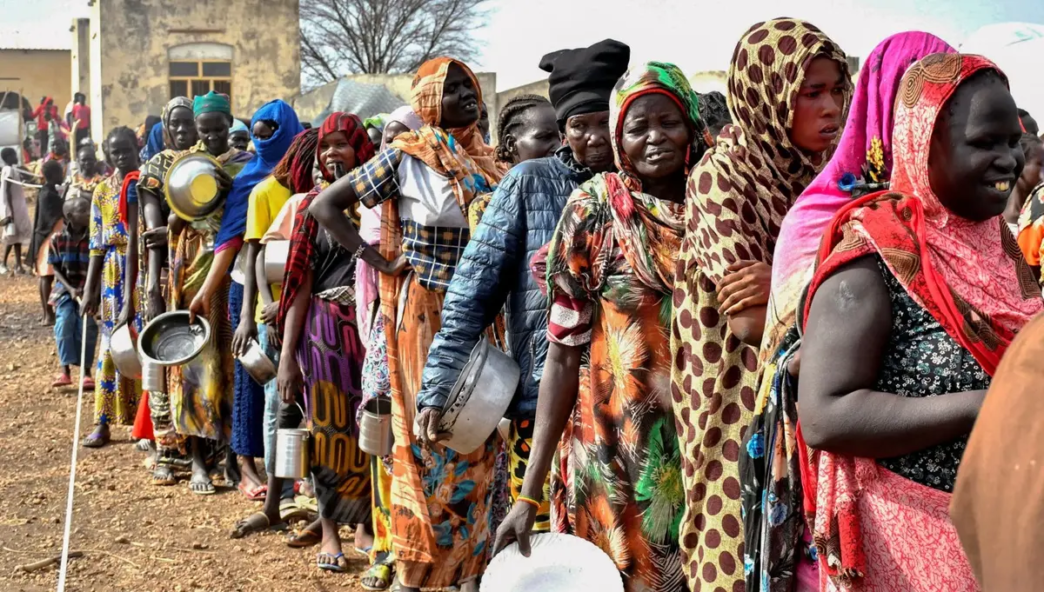
The risk of famine is increasing across parts of Sudan as armed conflict, drought linked to the El Niño weather phenomenon and inadequate humanitarian assistance worsen food insecurity, a group of United Nations experts has warned.
The Integrated Food Security Phase Classification (IPC) said drought affecting approximately half of the country was increasing the effects of fighting and mass displacement.
The conditions have reduced food supplies, pushed up prices and undermined livelihoods, leaving more people struggling to access adequate food, the group said in a statement on Monday.
Read More : Kabila Joins Forces With M23 Armed Group
“An El Niño-induced drought, affecting roughly half of the country, is compounding the impacts of conflict and displacement, reducing food availability, driving up prices and affecting livelihoods,” IPC said.
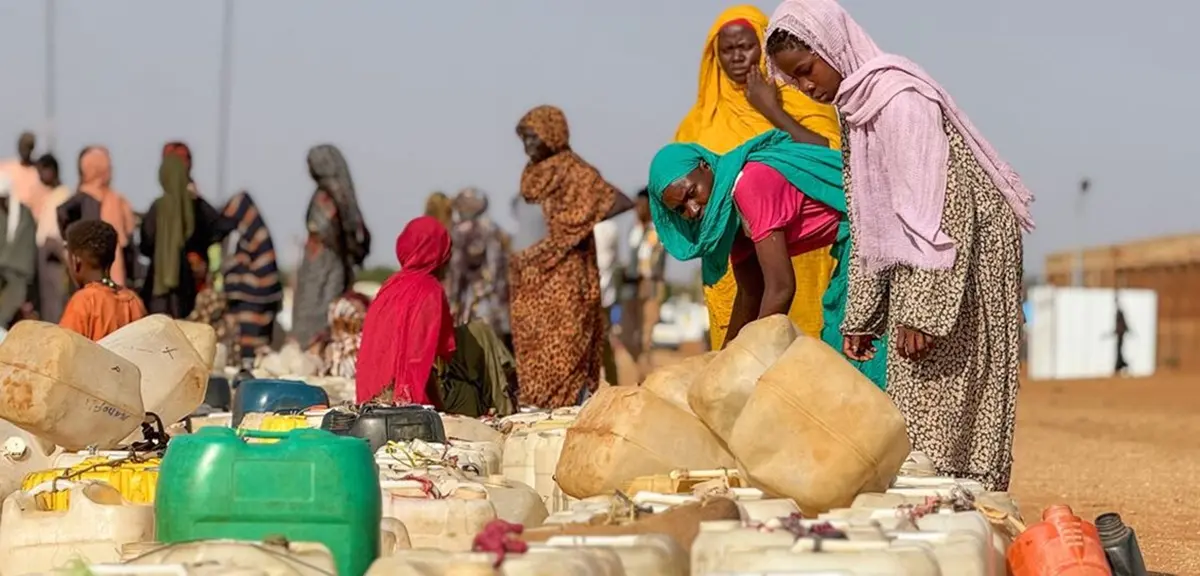
It also warned that limited access to healthcare and growing shortages of clean water were increasing the vulnerability of an already malnourished population to disease and death.
“Healthcare is extremely limited, often entirely inaccessible, while clean water is becoming increasingly scarce, leaving a poorly nourished population highly vulnerable to disease and death,” it said.
Sudan’s war, now in its fourth year, has killed thousands of people and forced millions from their homes.
The Sudanese army maintains control over much of the country’s central and eastern regions, while the rival Rapid Support Forces (RSF) control Darfur in the west and parts of southern Sudan.
Darfur, an arid region roughly the size of Spain, has experienced some of the conflict’s worst violence. Displacement camps have come under attack, while repeated massacres targeting ethnic communities have killed thousands of people.