Trending
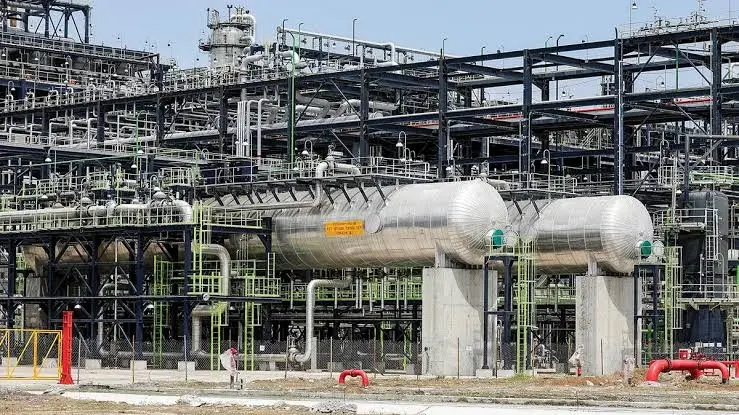
Crude oil supply remains a major risk to Dangote Refinery’s operations and expansion plans, despite strategic sourcing arrangements that could protect the facility from global supply disruptions and higher oil prices.
Tomiwa Adeniji, Senior Oil and Gas Analyst at CardinalStone Securities, says the refinery’s location in West Africa provides a competitive advantage, allowing it to source crude from regional producers at relatively lower costs than suppliers in the Middle East.
“Issues relating to crude supply, that’s in my opinion, a major risk factor,” Adeniji said, while acknowledging that the refinery benefits from structural advantages that could help limit its exposure.
According to Adeniji, the Nigerian National Petroleum Company (NNPC) supplies approximately 30 per cent of the refinery’s crude requirements, while another 30 per cent comes from West African suppliers. The remaining 40 per cent comes from domestic spot market arrangements.
She believes this diversified supply structure could help the refinery maintain operations and secure additional crude volumes as it pursues its expansion plans.

Adeniji also points to the refinery’s relative protection from geopolitical disruptions in the Middle East, where heightened uncertainty has pushed crude oil prices above $120 per barrel at certain points.
“By virtue of its location here in West Africa, it’s had access to cheaper crude compared to sourcing from Gulf producers and producers from the Middle East,” he explained.
Unlike shipments from some Middle Eastern producers, crude sourced within West Africa does not need to pass through the Strait of Hormuz, a critical global oil transportation route vulnerable to disruptions.
This geographical advantage could help Dangote Refinery avoid some of the additional transportation and supply costs affecting buyers dependent on Middle Eastern crude.
However, Adeniji maintains that securing sufficient crude remains a significant challenge, particularly as the refinery looks to expand its processing capacity.
The refinery’s ability to maintain reliable crude supplies at competitive prices could ultimately determine the sustainability of its expansion plans and long-term operations.