Trending
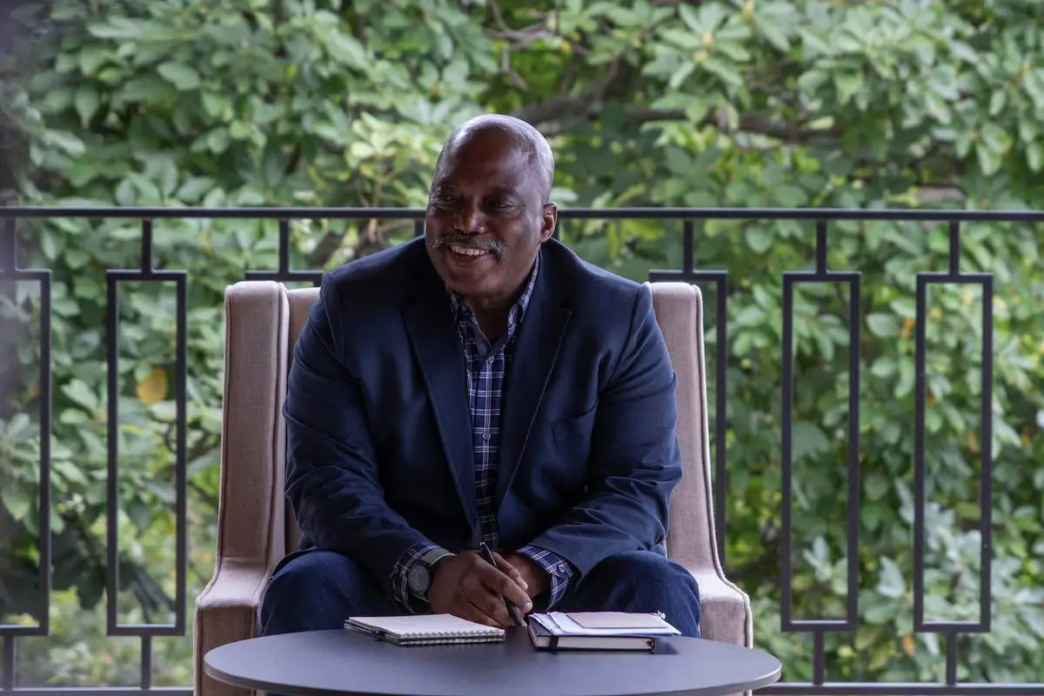
Former Democratic Republic of Congo President Joseph Kabila assumed direct leadership of rebel forces occupying the country’s eastern regions this week, marking the insurgency’s most significant structural shake-up in years.
The strategic move installs a prominent national figurehead at the helm of the armed movement, helping rebels reframe their campaign as a broad-based Congolese uprising rather than a foreign proxy force backed by neighbouring Rwanda.
Diplomats, regional analysts, and rebel sources view Kabila’s elevation as a direct attempt to shift the conflict’s geopolitical trajectory.
Read More : AI Helps Nigerian Drivers Fix Car Problems
However, significant uncertainty remains about whether Kabila can leverage his national stature and regional diplomatic networks to secure tangible support, or whether his leadership will meaningfully tip the balance of power in the deeply fractured nation.
Rebranding the Insurgency
Following Monday’s official leadership announcement, the insurgent alliance—previously composed of the Alliance Fleuve Congo (AFC) coalition and the March 23 Movement (M23) announced its complete dissolution and immediate restructuring under a new moniker: the Refoundation of the Nation (FRN).
Rebel strategists designed the new name to project a national scope focused on nationwide governance rather than localised eastern grievances.
The core political mission of the movement remains the removal of sitting Congolese President Félix Tshisekedi, whom rebel commanders accuse of systemic corruption, political repression, and administrative discrimination.
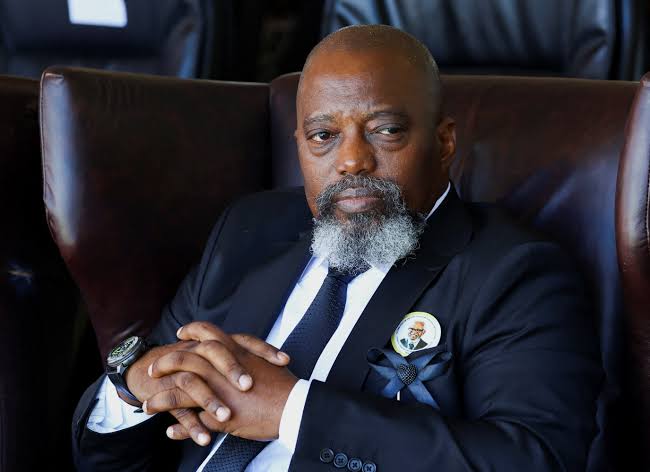
Despite the coalition’s civilian-focused rhetoric, United Nations investigators and regional experts maintain that the ongoing violence remains rooted in long-standing competition over land, political power, and mineral resources dating back to the 1990s.
Western governments and UN experts continue to accuse Rwanda of providing direct military backing to M23 forces. While Kigali denies direct operational command, it acknowledges maintaining security coordination with the group.
The leadership restructuring preserves the operational core of the previous rebel command.
While Kabila assumes the presidency of the FRN, former AFC coordinator Corneille Nangaa, M23 political leader Bertrand Bisimwa, and veteran military commander Sultani Makenga have transitioned into vice-presidential roles.
Makenga also retains his position as chief of the armed wing, ensuring military continuity on the frontlines.
Political Stature and Legacy Challenges
Kabila’s decision to step out into the open brings immense political visibility to the insurgency. Having governed the Democratic Republic of Congo from 2001 to 2019, Kabila commands historical influence and deep diplomatic ties across Southern and Eastern Africa, particularly in South Africa, Kenya, and Namibia.
Strategists speculate that Kabila’s roots in the southern Katanga province could help expand the rebellion’s political footprint beyond its eastern stronghold.
Katanga has seen rising local frustration toward the Tshisekedi administration, though active fighting has not yet spread to the province.
Nevertheless, Kabila faces severe obstacles in mobilising broad popular backing.
He left office deeply unpopular after extending his presidency two years beyond his constitutional mandate.
Furthermore, his domestic political machinery has eroded in recent years as key allies moved to Tshisekedi’s ruling coalition, went into exile, or faced imprisonment.
Several prominent figures from his former political party publicly disavowed him following Monday’s announcement. Legal and financial hurdles also loom large.
A Congolese military court sentenced Kabila to death in absentia for treason and war crimes following allegations of rebel ties. Additionally, the United States imposed sanctions on Kabila for destabilising eastern Congo and providing material support to armed groups.
While international investigations previously revealed that Kabila and his family accumulated substantial wealth during his two decades in office, analysts note that strict financial monitoring makes mobilising those assets highly complex.
Implications for Peace Frameworks
The structural shift introduces fresh complexity to fragile regional peace negotiations.
Before the reorganisation, the AFC/M23 alliance engaged in Qatari-mediated talks with the Congolese government, culminating in a framework agreement committing both sides to a permanent ceasefire.
Addressing these commitments, FRN representatives declared on Wednesday that the new organisation assumes all prior rights, obligations, and international commitments made by the AFC/M23, including participation in the Doha negotiations.
During a UN Security Council briefing following the announcement, Congolese authorities demanded that all parties honour existing ceasefire commitments, while international diplomats urged immediate adherence to peace frameworks.
Despite diplomatic pressure, both sides continue to blame each other for ongoing clashes along the front lines, leaving the immediate future of the peace process uncertain.