Trending

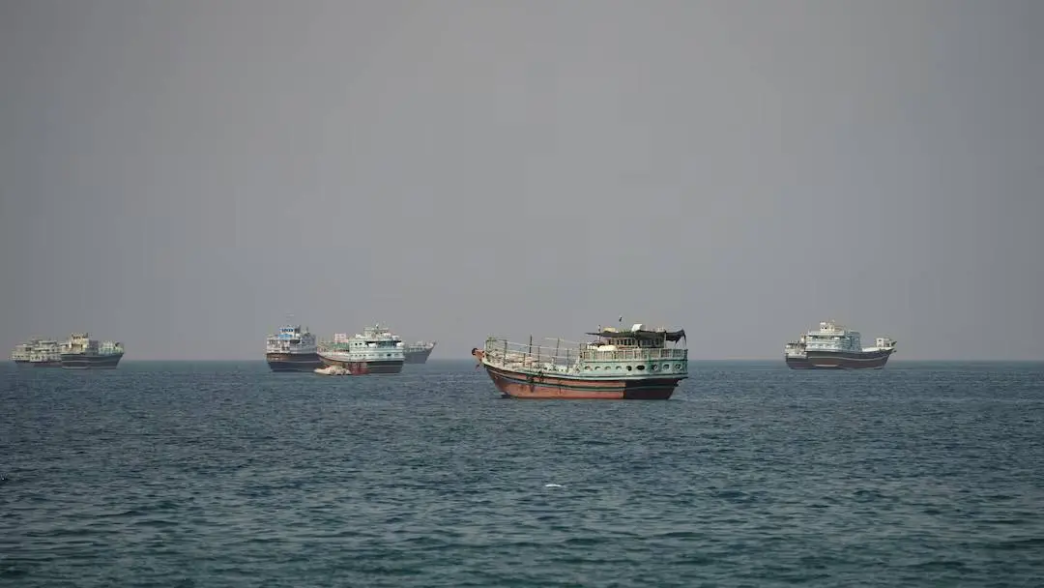
Iran announced on Monday that it is ready to reopen the Strait of Hormuz within two days, provided the United States meets its key conditions.
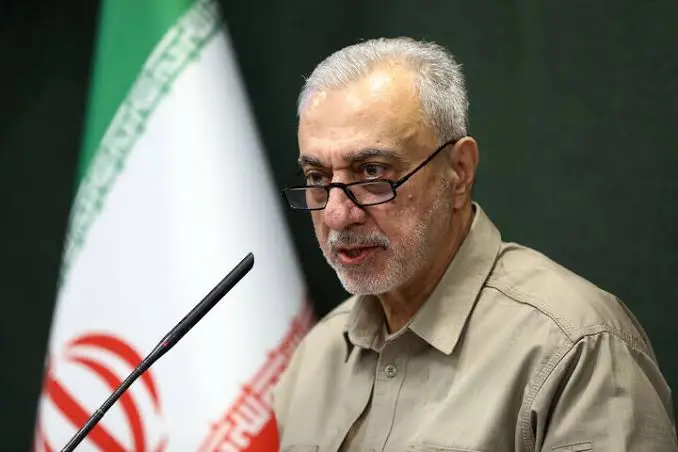
Foreign Ministry Spokesman Esmaeil Baqaei confirmed that Tehran is exchanging messages with Washington through international mediators, framing the quick turnaround offer as a gesture of good faith.
The proposed agreement relies on terms Iran outlined in September, which demand an end to military action, the unfreezing of Iranian assets, the removal of oil sanctions, and a stop to the counter-blockade of Iranian ports.
Iran also asked Washington to follow a new transit route through the strait negotiated with Oman and reduce its troop presence in the region.
Tehran’s ongoing blockade of the critical trade passage, which normally handles one-fifth of global oil consumption, has driven energy prices up dramatically since fighting began in February.
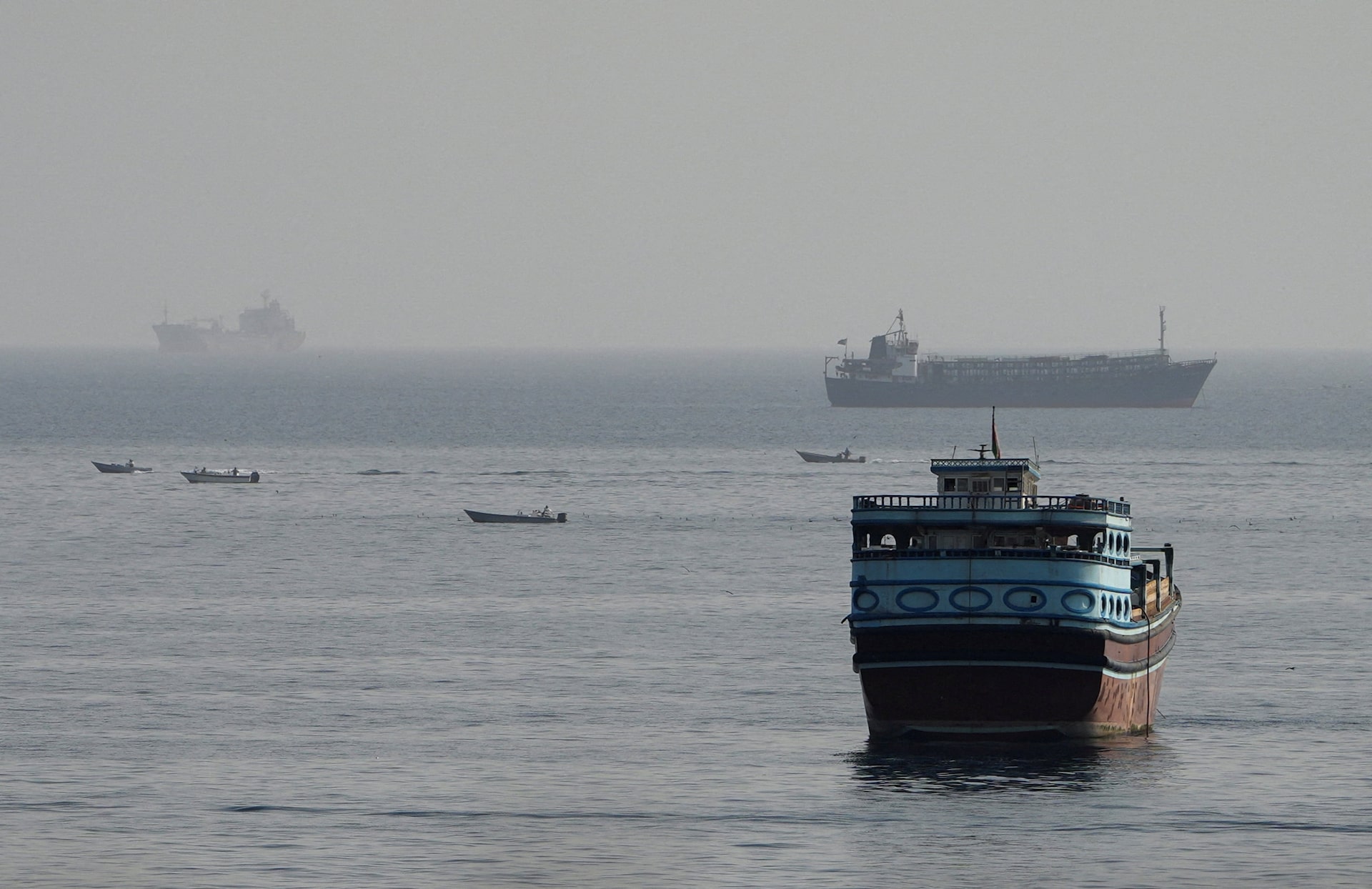
The resulting surge in consumer inflation and diesel costs has created severe political pressure for US President Donald Trump during the final stretch of the midterm election campaign.
President Trump maintained a confrontational tone during an Iowa campaign rally, threatening to deliver “the hammer” to Iran while acknowledging ongoing efforts to avoid further casualties.
In response, Baqaei warned that Iran would launch an immediate, powerful, and comprehensive counterstrike against any future US or Israeli aggression, dismissing concerns over potential strikes on sites like Pickaxe Mountain.
Read More : Belgian PM Offers Resignation Over Budget Talks
Meanwhile, global diplomatic efforts continue to accelerate.
Regional leaders from Pakistan, Qatar, Saudi Arabia, and Türkiye have conducted talks with Tehran, while China and Oman issued a joint call for an immediate ceasefire and peaceful negotiations.
Chinese Foreign Minister Wang Yi urged all parties to avoid further armed conflict and reaffirmed Beijing’s support for Iranian sovereignty.