Trending

South African Ntombekhaya Makeleni abandoned the communal toilets in her Cape Town neighbourhood after a group of men tried to force their way in before dawn one morning.
Now the 53-year-old Khayelitsha resident relies on a bucket that she empties outside, sharing a daily hardship with thousands who live without basic sanitation in the deprived township’s informal shacks.
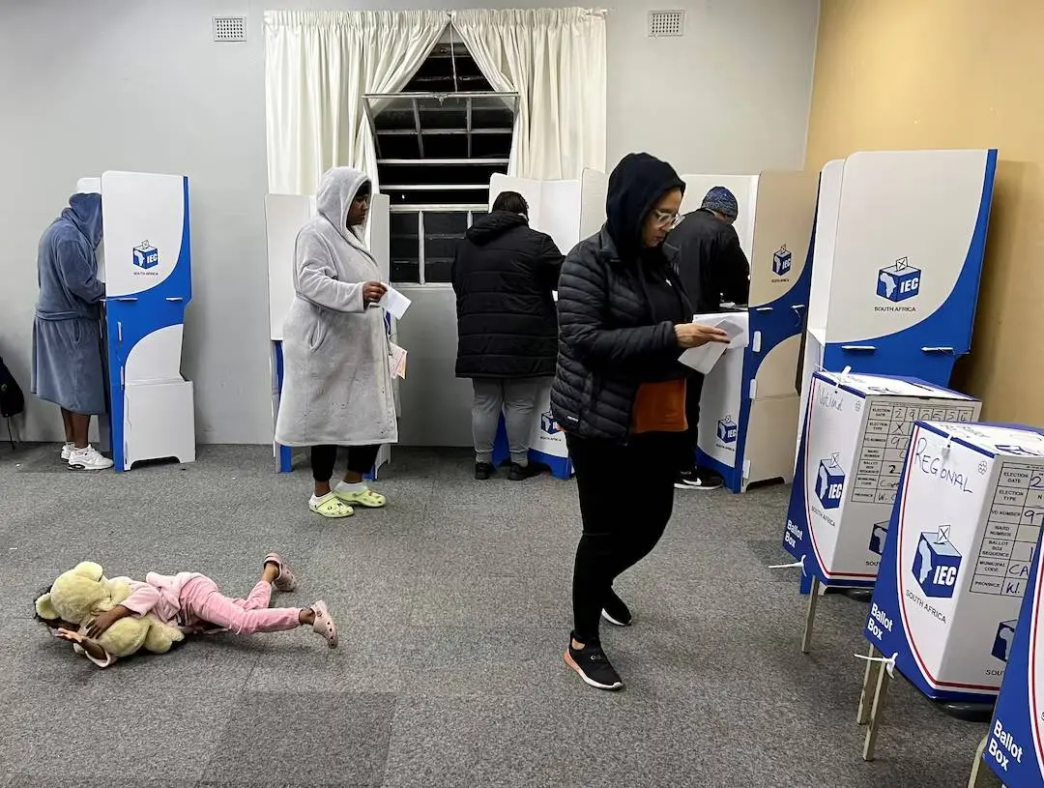
The severe lack of decent sanitation drives Makeleni to vote in South Africa’s upcoming local government elections, as she remains confident that casting her ballot will fix these persistent community problems.
Read More : South Africa ‘Ready’ for US Trade Decision
The November 4 municipal polls offer a clear look into whether widespread frustration over local government failures is actively reshaping political loyalties ahead of the 2029 general election.
Crumbling infrastructure, persistent water and power outages, and soaring unemployment weigh heavily on the minds of more than 29 million registered voters.
Hope in the Electoral Process
While some citizens still see hope in the electoral process, others express deep scepticism.
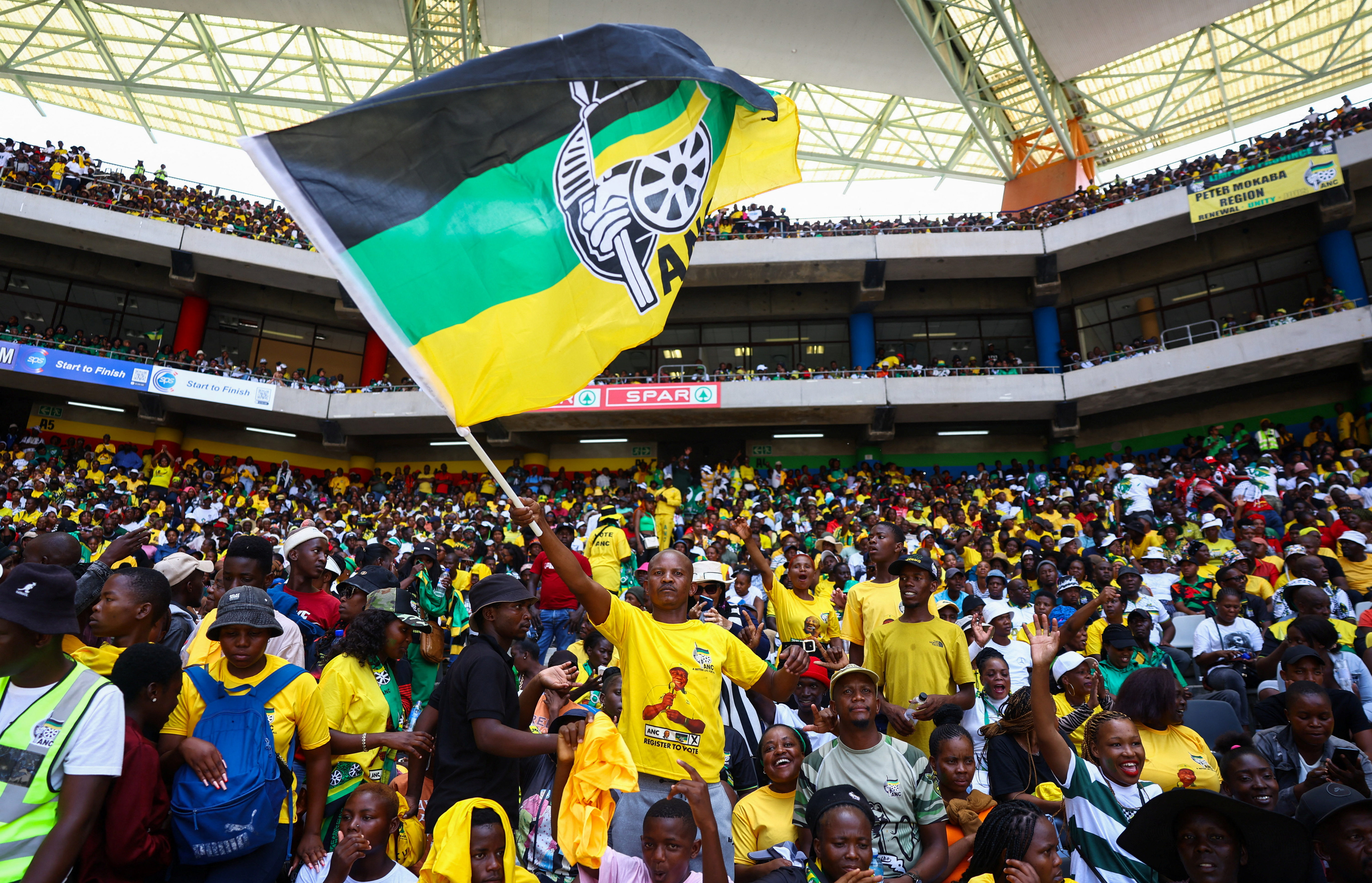
In Durban, 27-year-old Nikesh Nunkoo faces multi-day water cuts and questions whether to vote, while 24-year-old Nkanyiso Hadebe refuses to participate because he believes voting changes nothing.
South Africa’s political landscape continues to fragment as support wanes for traditional strongholds like the African National Congress (ANC).
Over 500 parties have registered for the upcoming election, reflecting widespread voter alienation; a recent Ipsos survey revealed that nearly half of South Africans feel no party represents their views.
The ANC fell below 50 per cent support in the 2021 municipal elections for the first time since 1994, later losing its parliamentary majority in 2024.
Meanwhile, the opposition Democratic Alliance (DA) governs Cape Town and campaigns aggressively for Johannesburg, even as stark disparities persist between Cape Town’s affluent suburbs and impoverished townships 30 years after apartheid ended.
Read More : Nigeria’s Favour Ojo Eyes Olympic Debut
Political analysts emphasise that basic service delivery—specifically access to clean water, electricity, and sanitation—remains the central issue for township residents, though deep-rooted identity factors still influence party loyalty.
New political contenders, including former President Jacob Zuma’s MK party, add further complexity to the race, particularly among young South Africans facing a 33 per cent national unemployment rate.
Election officials view voter turnout as a decisive factor, expecting the final results to expand the nation’s growing trend toward complex, coalition-led municipal councils.