


 Trending

The Independent National Electoral Commission (INEC)’s response to suspicious data found on Nigeria’s provisional voters’ list has raised new doubts about the safety and reliability of the nation’s electoral process before the 2027 general elections.
According to the INEC, the commission found suspicious entries in the biometric voter registration database, including AI-generated images of people. This has raised concerns about how such information ended up in the database meant to secure the elections.
While the commission says it is cleaning up the records, the controversy raises a bigger question: can Nigerians trust the voter register that will determine who is eligible to vote in 2027?
Read More : ICPC Opposes Bail For Fake PFIPC DG
INEC’s Discovery
Lawrence Bayode, INEC’s Director of Information and Communications Technology, noted that the Automated Biometric Identification System (ABIS) raised concerns about dubious registrations during the review of the 2026 Continuous Voter Registration.
As reported by Premium Times on November 2, there were more than 11 million registered voters. However, the biometric system raised concerns about 1.5 million registrations. INEC invalidated 1,277,252 registrations and disqualified them before issuing the preliminary register; some 268,000 records required further investigation and adjudication.
Bayode added that some dubious records included AI-generated photos and manipulated biometrics. There were allegations that some of the registration officers misused the system to create dubious voter records. One method used was the special registration facility for people with disabilities and those with incomplete fingers or no fingers at all.
According to Bayode, some officials allegedly abused this facility by creating fake identities. He called it a very serious matter, stating that “It’s bad.” He also stated that “The trust is on ground zero,” recognising the harm caused to trust due to this matter.
On the other hand, INEC has clearly pointed out that all photographs enhanced by artificial intelligence cannot be considered fraud.
According to Bayode, genuine photographs enhanced by artificial intelligence applications on mobile phones will not result in the cancellation of a person’s voter identity. INEC will cancel photographs that are completely created using artificial intelligence, as well as any other fraudulent information.
Why the Discovery Matters
A reliable voter register is an important requirement of a credible election. The register plays an important role in determining who qualifies to vote, preventing duplicate registrations, and supporting the validation of registered voters in polling units.
False information in the register, such as fake identities, makes it harder to identify legitimate voters and could facilitate electoral fraud. The problem is not limited to AI-generated pictures.
Citizens have raised questions about whether the voter register contained duplicates, whether the names of dead people appeared on it, and whether some voters were absent from the register when checking online. It is unwise to brush aside citizens’ concerns.
However, these allegations must first be proven before they become facts. This controversy also raises important questions about how well the INEC registration process was controlled. How did officials with access to the system manage to enter false information? After all, early detection of suspicious information is vital in managing any system.
INEC’s Response and the Need For Accountability
INEC also stated that the preliminary register published online on October 26, 2026, was the same document displayed physically between October 9 and 15 that year.
According to a statement released on October 27, 2026, by Mohammed Kudu Haruna, the chairman of INEC’s Information and Voter Education Committee, the preliminary register was not yet the certified register.
This is because the Display, Claims and Objections process was meant to help Nigerians spot errors and request corrections before the final register is certified. INEC has also promised to look into the suspicious pictures and any other technical or procedural failures.
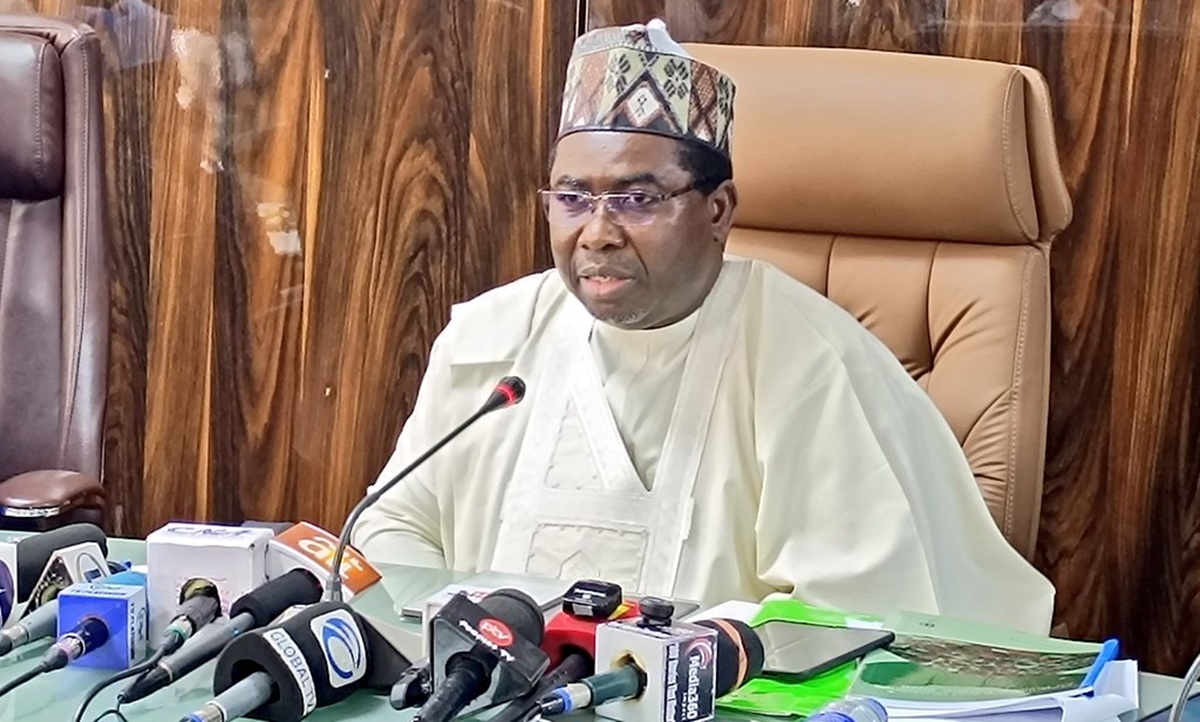
Additionally, INEC Chairman Professor Joash Amupitan said the Commission was looking into the matter and would act accordingly based on its investigations. INEC is slated to conduct the certification exercise for the final register of voters on December 15. While this sounds like reassurance from the election body, the people need more than that.
INEC should inform the public how many of these fraudulent databases have been removed, how many are still under investigation, and how it is dealing with the offenders.
INEC should also tell the people how they plan to prevent this scandal from happening again in the future. This has drawn attention not only from citizens but also from some political figures and civil society members.
Rabiu Kwankwaso, the vice presidential candidate for the Nigeria Democratic Congress (NDC), has requested an independent investigation into the matter. Kwankwaso said Nigerians deserve more than INEC’s assurances.
Similarly, Clement Nwankwo, Executive Director of the Policy and Legal Advocacy Centre, has also challenged the authenticity of the voters’ register. Speaking on ARISE News, Nwankwo expressed concern about the jump in the number of voters from over 90 million to 103 million. The authenticity of the numbers and the verification process were questioned.
He warned that the problems in voter registration and the transfer of polling units would marginalise many voters. This issue deserves consideration, as it is not easy to restore voters’ confidence once they start doubting the process.
Can Technology Protect the 2027 Elections?
Technology has been a significant part of INEC’s preparations for the 2027 election.
According to Amupitan, INEC is preparing its Bimodal Voter Accreditation System (BVAS), which will comprise 57,000 newly acquired gadgets. According to him, INEC is auditing its electronic result management system to enhance transparency in transmitting results through the INEC Result Viewing Portal.
This action will go a long way toward improving the election process. However, it should be understood that technology will not work without effective individuals supporting the process.
Even as technology plays an important role in helping detect suspicious registrations, strict access controls and auditing are essential.
Additionally, INEC should endeavour to ensure that attempts to remove fake entries do not come at the expense of legitimate voters. Every flagged entry should be verified, and where necessary, victims should be allowed to rectify mistakes.
The Bigger Test For INEC
The discovery of suspicious voter records does not automatically mean Nigeria’s 2027 elections are compromised. INEC has identified the problem before certifying the final register and has begun reviewing the affected records.
However, the commission must treat the controversy as a serious warning. Nigerians deserve to know how the flaws arose, who was behind them, and what changes were made to prevent a recurrence. Political parties, civil society groups, and registered voters also deserve a chance to vet the register.
Ultimately, the validity of any election process begins long before the election date itself. It starts with a register that properly recognises citizens’ right to vote.
INEC has a window to address the issues raised before the register’s final certification on December 15. This will be a crucial test of INEC’s transparency and accountability before the 2027 elections.
It’s no longer just about INEC being able to identify fraudulent voters; it’s about whether INEC can demonstrate that the register is secure for all genuine voters.