


 Trending

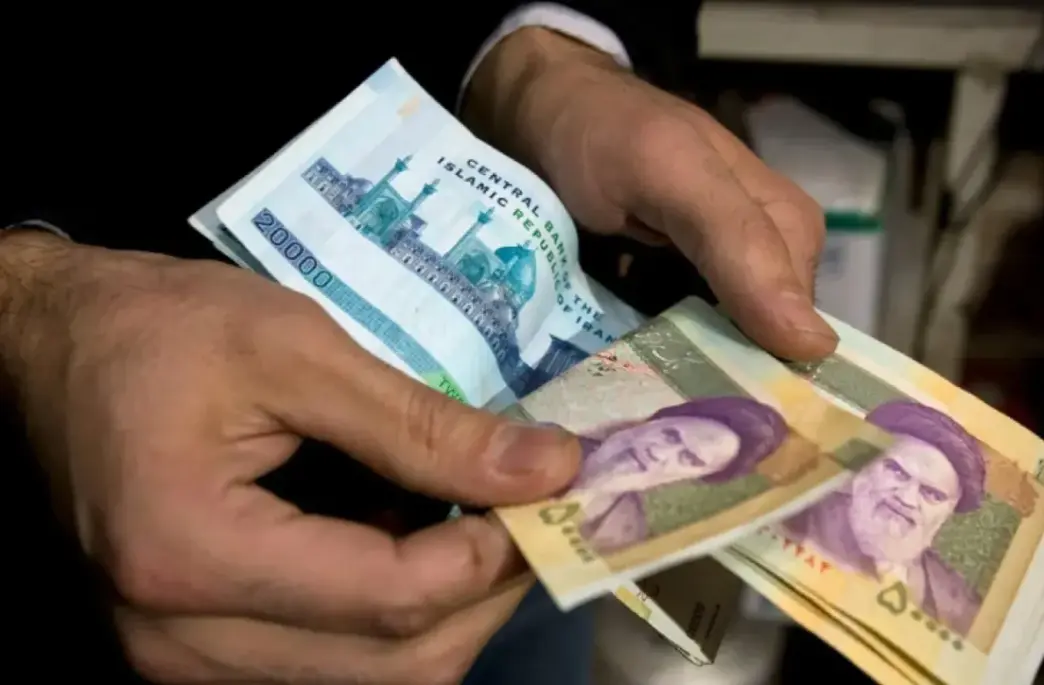
Iran’s currency has fallen by about five per cent on the black market on Tuesday after the United States announced new sanctions targeting more than two dozen entities linked to the country’s financial network.
The US Treasury announced the sanctions on Monday against more than two dozen Iranian exchange houses, alleged front companies and individuals. It accused them of being part of Iran’s “shadow banking” network, which it said was overseen by the country’s central bank.
By Tuesday afternoon, the US dollar was trading at about 2.82 million rials, up from around 2.68 million rials on Monday, according to websites tracking black market rates. The euro also rose to about 3.07 million rials from 2.94 million rials a day earlier.
Read More : China Sentences Official to Death For Spying
Many Iranians rely on black market exchange rates because the official rate set by the central bank is usually much lower. However, Central Bank Governor Abdolnaser Hemmati dismissed the sanctions. He said Washington appeared to have “run out of targets” and was now targeting a legitimate platform.
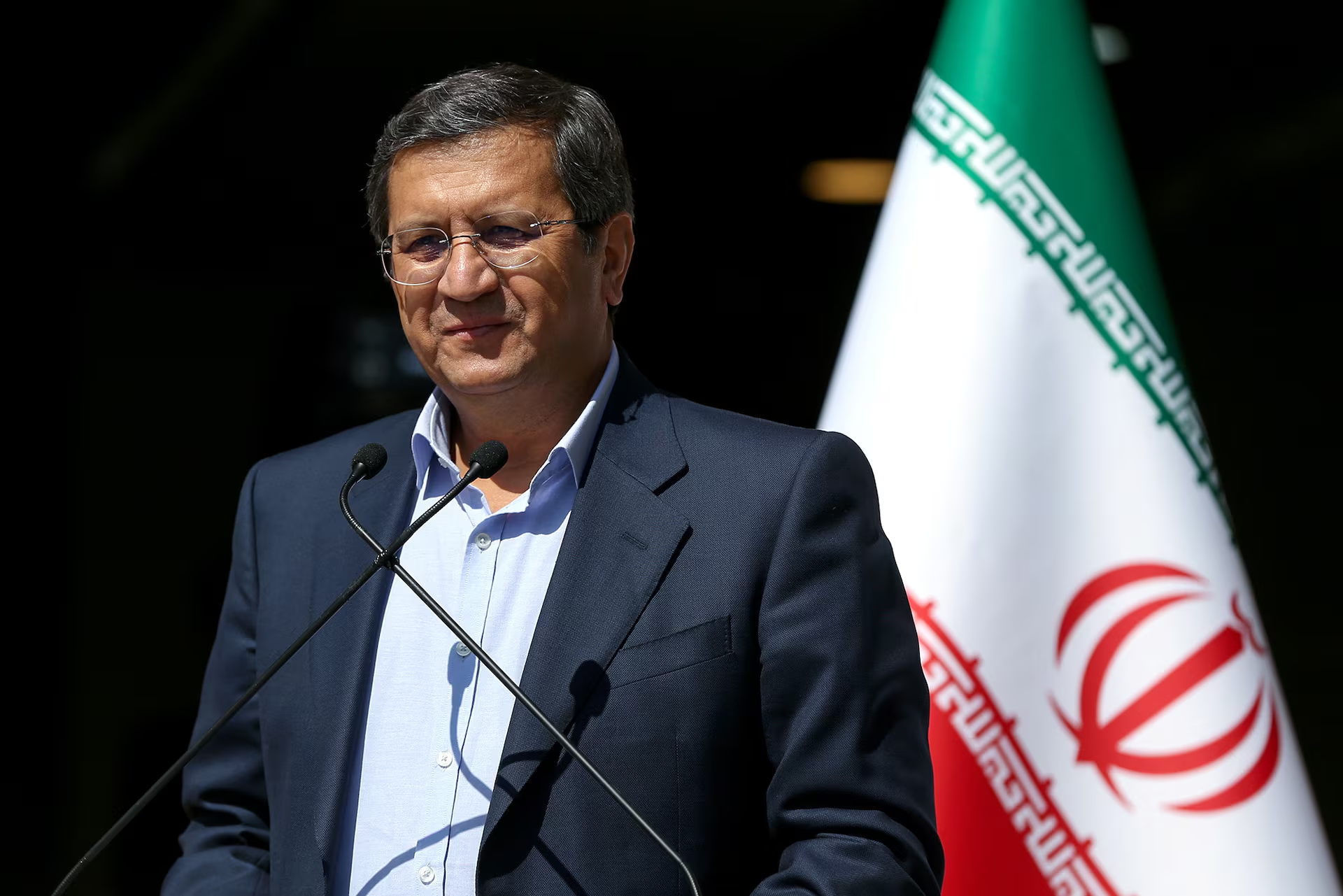
Hemmati described the sanctioned Iran Currency and Gold Exchange Centre as a platform for recording transactions.
“It is merely a platform for registering transactions” and “is there for everyone to see,” he said, according to the Tasnim news agency.
The US Treasury’s Office of Foreign Assets Control (OFAC) said the centre connects exporters who earn foreign currency from overseas sales with importers who need foreign currency to buy goods. It said the platform facilitates tens of billions of dollars in trade every year.
“While Iran’s shadow banking system moves the funds generated by Iran’s international trade, the Iran Center for Exchange plays matchmaker and guides these funds to their ultimate destination inside Iran,” OFAC said.
The latest sanctions come nearly nine months into the Middle East war, which began on February 28 after US and Israeli strikes killed Iran’s Supreme Leader, Ayatollah Ali Khamenei.
Read More : Japan to Pay ICC Dues Early After US Sanctions
Iran retaliated with missile and drone attacks across the region. Armed groups backed by Tehran in Lebanon, Yemen and Iraq also joined the conflict.
Meanwhile, Washington has increased sanctions since August as part of what it calls an “economic asphyxiation” campaign against Iran. The US has also set up a task force to disrupt land routes into the country.
In addition, it has maintained a naval blockade on Iranian ports to restrict the country’s oil revenue. The move responds to Iran’s effective blockade of the Strait of Hormuz, a key route for global energy supplies.